
Read the general safety operating precautions in your machine operator’s manual for additional safety information.
Operate Safely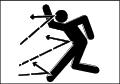
• Read the machine and attachment operator’s manual carefully. Be thoroughly familiar with the controls and the proper use of the equipment. Know how to stop the machine and disengage the controls quickly.
• Only allow responsible adults, who are familiar with the instructions to operate the machine.
• Never direct the discharge at bystanders or allow anyone to stand in front of the unit.
• Never operate the broom near glass enclosures, automobiles, window wells, or drop-offs without first adjusting the angle and direction of the discharge.
• Inspect machine before you operate. Be sure hardware is tight. Repair or replace damaged, badly worn, or missing parts. Be sure guards and shields are in good condition and fastened in place. Make any necessary adjustments before you operate.
• Clear work area of objects that might be thrown. Keep people and pets out of the work area. Stop machine if anyone enters the area.
• If you hit an object, stop the machine and inspect it. Make repairs before you operate.Keep machine properly maintained and in good working order. Keep all shields and guards in place.
• Do not leave machine unattended when it is running.
• Do not operate machine when you are tired or ill or under the influence of drugs or alcohol.
• Only operate during daylight or with good artificial light.
• Look behind machine before you back up. Back up carefully.
• Do not let anyone, especially children, ride on machine or attachment. Riders are subject to injury such as being struck by foreign objects and being thrown off. Riders may also obstruct the operator’s view, resulting in the machine being operated in an unsafe manner.
• Use extreme caution when operating on or near gravel drives, walks, or roads. Stay alert for hidden hazards or traffic.
• Do not wear radio or music headphones while operating the machine. Safe operation requires your full attention.
• Slow down before turning. Avoid sudden turns.
• Don’t operate near drop-offs, ditches or embankments.
Parking Safely
1. Stop machine on a level surface, not on a slope.
2. Disengage PTO and stop attachments.
3. Lower attachments to the ground.
7. Wait for engine and all moving parts to stop before you leave the operator’s station.
8. Close fuel shut-off valve, if your machine is equipped.
9. Disconnect the negative (-) battery cable before servicing the machine.
Stay Clear of Rotating Drivelines
Entanglement in rotating driveline can cause serious injury or death.
• Wear close fitting clothing.
• Stop the engine and be sure PTO driveline is stopped before getting near it.
Practice Safe Maintenance
• Only qualified, trained adults should service this machine.
• Understand service procedure before doing work. Keep area clean and dry.
• Do not operate the engine in a confined space where dangerous carbon monoxide fumes can collect.
• Never lubricate, service or adjust the machine or attachment while it is moving. Keep safety devices in place and in working condition. Keep hardware tight.
• Keep hands, feet, clothing, jewelry, and long hair away from any moving parts, to prevent them from getting caught.
• Lower any attachment completely to the ground or to an existing attachment mechanical stop before servicing the attachment. Disengage all power and stop the engine. Lock park brake and remove the key. Let machine cool.
• Disconnect battery or remove spark plug wire (for gasoline engines) before making any repairs.
• Before servicing machine or attachment, carefully release pressure from any components with stored energy, such as hydraulic components and springs.
• Release hydraulic pressure by lowering attachment or cutting units to the ground or to a mechanical stop and move hydraulic control levers.
• Securely support any machine or attachment elements that must be raised for service work. Use jack stands or lock service latches to support components when needed.
• Never run engine unless park brake is locked.
• Keep all parts in good condition and properly installed. Fix damage immediately. Replace worn or broken parts. Replace all worn or damaged safety and instruction decals.
• Check all hardware at frequent intervals to be sure the equipment is in safe working condition.
• Do not modify machine or safety devices. Unauthorized modifications to the machine or attachment may impair its function and safety.
Avoid High Pressure Fluids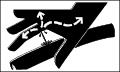
• Hydraulic hoses and lines can fail due to physical damage, kinks, age, and exposure. Check hoses and lines regularly. Replace damaged hoses and lines.
• Hydraulic fluid connections can loosen due to physical damage and vibration. Check connections regularly. Tighten loose connections.
• Escaping fluid under pressure can penetrate the skin causing serious injury. Avoid the hazard by relieving pressure before disconnecting hydraulic or other lines. Tighten all connections before applying pressure.
• Search for leaks with a piece of cardboard. Protect hands and body from high pressure fluids.
• If an accident occurs, see a doctor immediately. Any fluid injected into the skin must be surgically removed within a few hours or gangrene may result. Doctors unfamiliar with this type of injury should reference a knowledgeable medical source. Such information is available from Deere & Company Medical Department in Moline, Illinois, U.S.A. Information may be obtained in the United States and Canada only by calling 1-800-822-8262.