
Safety
Read Safety in Machine Operator’s Manual
Read the general safety operating precautions in your machine operator’s manual for additional safety information.
Operating Safely
• Read, understand and follow all instructions and safety information in the manuals and on the winch before operating.
• Inspect equipment before you operate. Be sure hardware is tight. Repair or replace damaged, badly worn, or missing parts.
• Use and become familiar with the winch before you actually need it in an emergency situation.
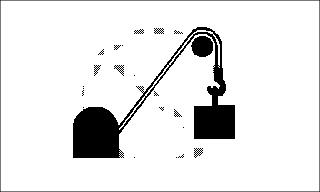
• Never use winch for towing or hoisting. A winch is not designed for such service. A sudden shock load can cause the cable or drum to break.
• Never exceed the rated winch capacity. Do not drive the vehicle to assist with pulling a load attached to the winch. This could overload the drum or cable.
• Make sure tackle such as hooks, pulley blocks, and straps are sized appropriately for the job. Use only factory approved remote controls and accessories.
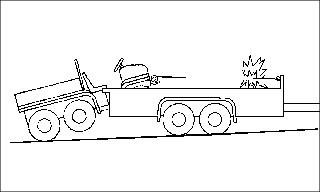
• Do not use winch to secure a load during transport.
• Only allow responsible adults, who are familiar with the instructions to operate the winch.
• Always stand clear of the cable and load and keep others away when winching. If cable breaks or pulls loose under load, it can backlash with great force.
• Lay a heavy blanket or jacket over the winch line near the hook end when pulling heavy loads. This will act as a damper to help prevent cable backlash in the event of an equipment failure.
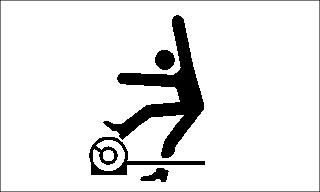
• Never step over the cable, even if it is not under tension.
• Only use a 12 volt DC power source to operate your winch. Other power sources can result in fatal shock or damage to the winch.
• Never allow the winch to become submerged in water.
• Always operate winch with an unobstructed view of the winching operation.
• Stop the winching operation if anyone enters the area.
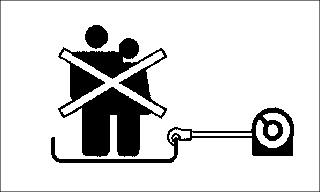
• Do not use winch to move persons.
• Never hold the winch cable hook with your hand when rewinding the cable. Hand or fingers can become crushed. Use the hook strap provided.
• Disconnect the winch power cord before leaving machine unattended.
• Only operate during daylight or with good artificial light.
• Never operate winch while under the influence of drugs or alcohol.
• Do not wear radio or music headphones while winching. Safe operation requires your full attention.
Parking Safely
1. Stop vehicle on a level surface, not on a slope.
5. Before you leave the operator’s seat, wait for engine and all moving parts to stop.
6. Disconnect the negative battery cable or remove the spark plug wire (for gasoline engines) before servicing the machine.
Practice Safe Maintenance

• Disengage all power and stop vehicle engine before servicing. Lock park brake and remove the key. Let machine cool.
• Disconnect the winch power leads from battery before servicing to prevent accidental start-up of the winch.
• Understand service procedure before doing work. Keep area clean and dry.
• Use only factory approved parts for repairs.
• Never work on or around the winch when drum is under load. Keep safety devices in place and in working condition. Keep hardware tight.
• Keep hands, feet, clothing, jewelry, and long hair away from any moving parts, to prevent them from getting caught.
• Inspect winching tackle regularly for damage.
• Keep all parts in good condition and properly installed. Fix damage immediately. Replace worn or broken parts. Remove any buildup of debris.
• Never attempt repairs while under the influence of drugs or alcohol.
• Do not wear radio or music headphones while servicing the machine. Safe service requires your full attention.
Wear Appropriate Clothing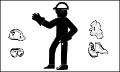
• Wear close fitting clothing and safety equipment appropriate for the job.
• Always wear heavy gloves when handling the winch cable.
Do Not Modify Machine
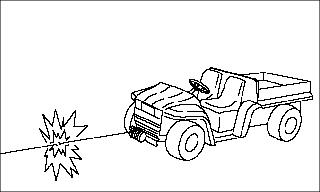
• Never machine, weld, or make any unauthorized modifications to any part of the winch, carrier plate, cable, or receiver.
• Never alter or remove the safety decals.
• Modifications can result in making the winch unsafe, increasing the possibility of severe bodily injury or death.
Handling Waste Product and Chemicals
Waste products, such as, used oil, fuel, coolant, brake fluid, and batteries, can harm the environment and people:
• Do not use beverage containers for waste fluids - someone may drink from them.
• See your local Recycling Center or authorized dealer to learn how to recycle or get rid of waste products.
• See your local Recycling Center or authorized dealer to learn how to put your machine out of service at the end of the machine’s service life.