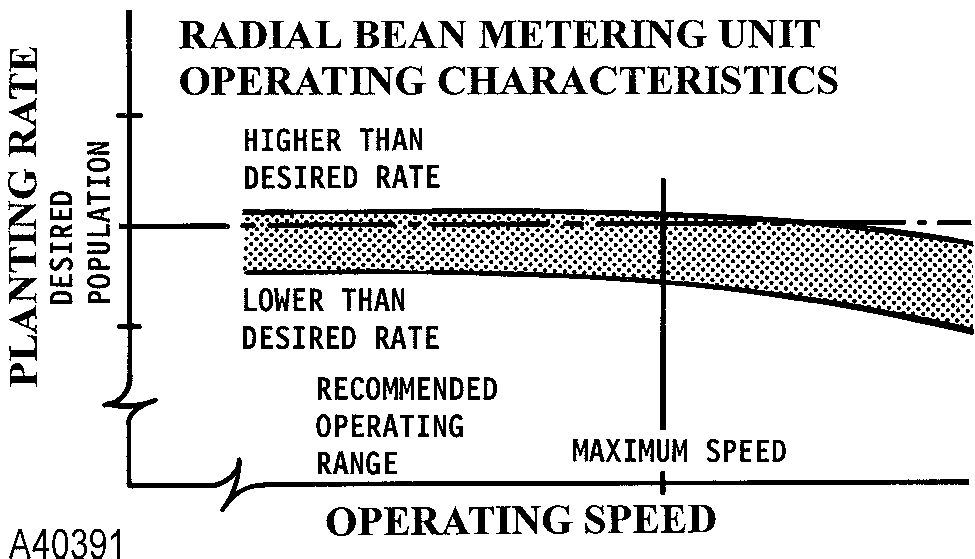
Radial Bean Meter Operating CharacteristicsIMPORTANT: The graph shows operating characteristics of radial bean metering units. The operating band illustrates how a radial bean metering unit performs with regard to desired population (indicated by the horizontal line). The width of the band is due to various sizes and shapes of seeds. IMPORTANT: To prevent planting miscalculations, perform field checks to determine if the desired rate is being planted. IMPORTANT: Replace hopper lids after hoppers have been filled. If lids are left off, dust and dirt can accumulate in seed metering mechanism, causing excessive wear. Best results are obtained when machine is operated below maximum speed. Large beans may result in lower rates than those in the chart at higher planting speeds. Small beans may give somewhat higher rates at lower planting speeds. Actual rates MUST be checked in the field at planting speed, and machine settings changed accordingly. The radial bean meter performs best with uniform seed sizes. Mixing seed sizes can cause high drive-torque, increased wear, or meter damage. If mixed seed must be used, always use setting for smallest seed size. |
|
AG,OUO6074,1266 -19-04AUG00-1/2 |
|
IMPORTANT: If farmer-applied treatments are used, follow chemical manufacturer's recommendations carefully. Dry powder or fast drying liquid treatments are generally recommended. HIGH-OIL-CONTENT TREATMENTS ARE NOT RECOMMENDED. Chemical reaction between farmer-applied seed treatments and treatments commercially applied to seed can cause seed treatments to become sticky. Certain temperature and humidity levels can further complicate material compatibility. Treatments which adhere to radial bean meter components can cause reduced population and spacing control. Check with the chemical and seed supplier for treatment compatibility. NOTE: Using liquid hopper-applied seed treatments which leave a wet coating on seed is not recommended. Metering rates can vary depending upon surface texture of beans as well as whether or not beans are coated with seed treatment. These factors, in combination with variations in seed size, can result in differences between rates given in charts versus what is actually planted. Increasing amount of graphite per bushel of seed added into hopper may improve metering rate of rough-textured or treated seed. The best way to determine if a radial bean meter is delivering the correct rate is to actually check population in the field. See Checking Seed Population section. After determining correct sprocket combinations for the desired planting rate, plant at a speed no greater than maximum speed shown for the sprocket combination being used. This will help ensure accurate planting rates. |
AG,OUO6074,1266 -19-04AUG00-2/2 |