Understand Air Velocity and Hose Routes
A41816A-19-04MAY98
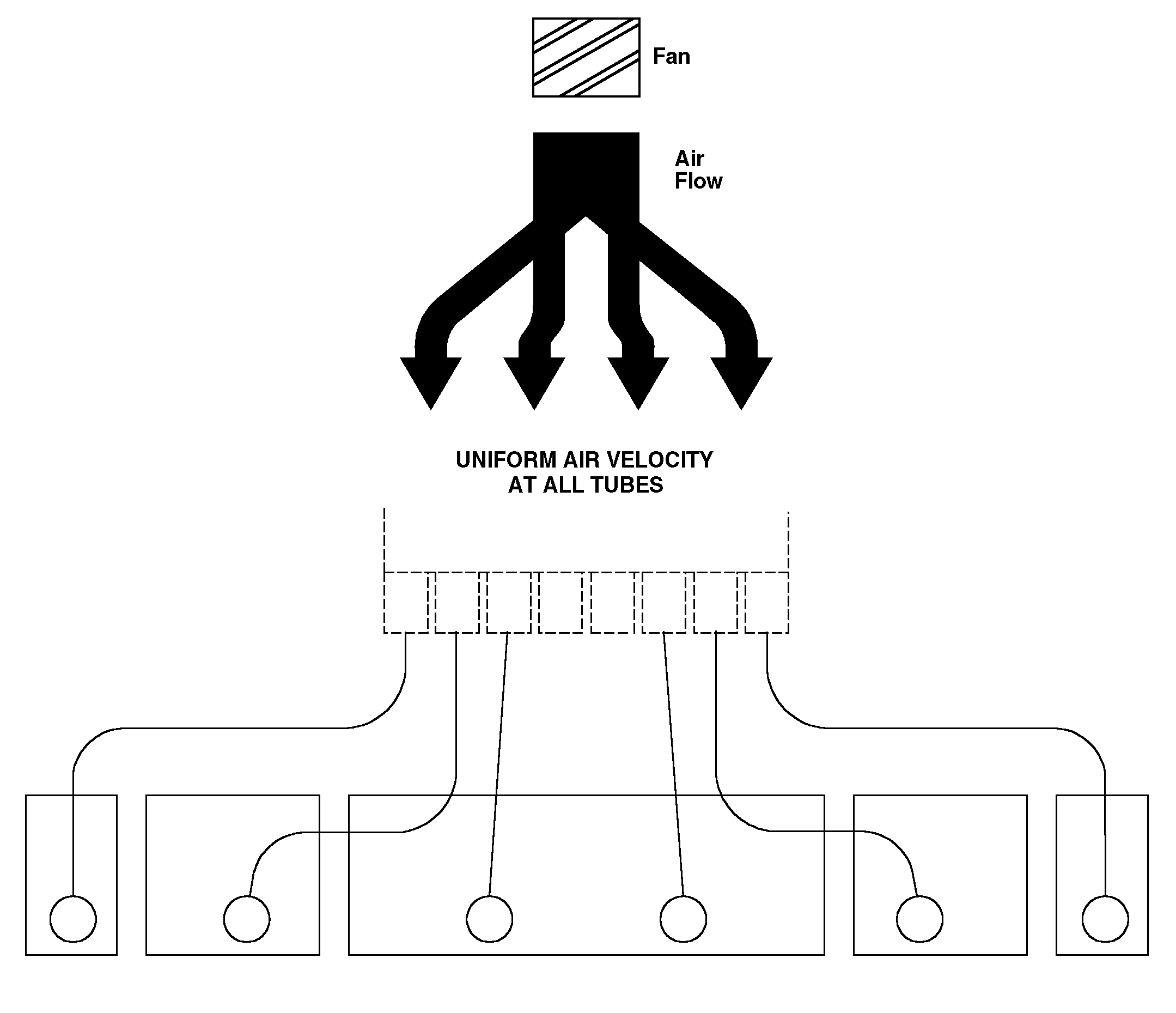
Improvements in fan and plenum design have resulted in uniform air flow from tube-to-tube. Special hose routing is no longer required due to uniform air delivery. The systematic approach to air run identification is still a good practice to follow as it makes run identification and troubleshooting easier.
Primary Hoses:
Primary hoses need not be the same length.
Avoid sharp bends, corners, and kinks when routing hoses. Hoses are routed level or downward to avoid having air and product flow move in an upward direction.
A37923-19-12APR96
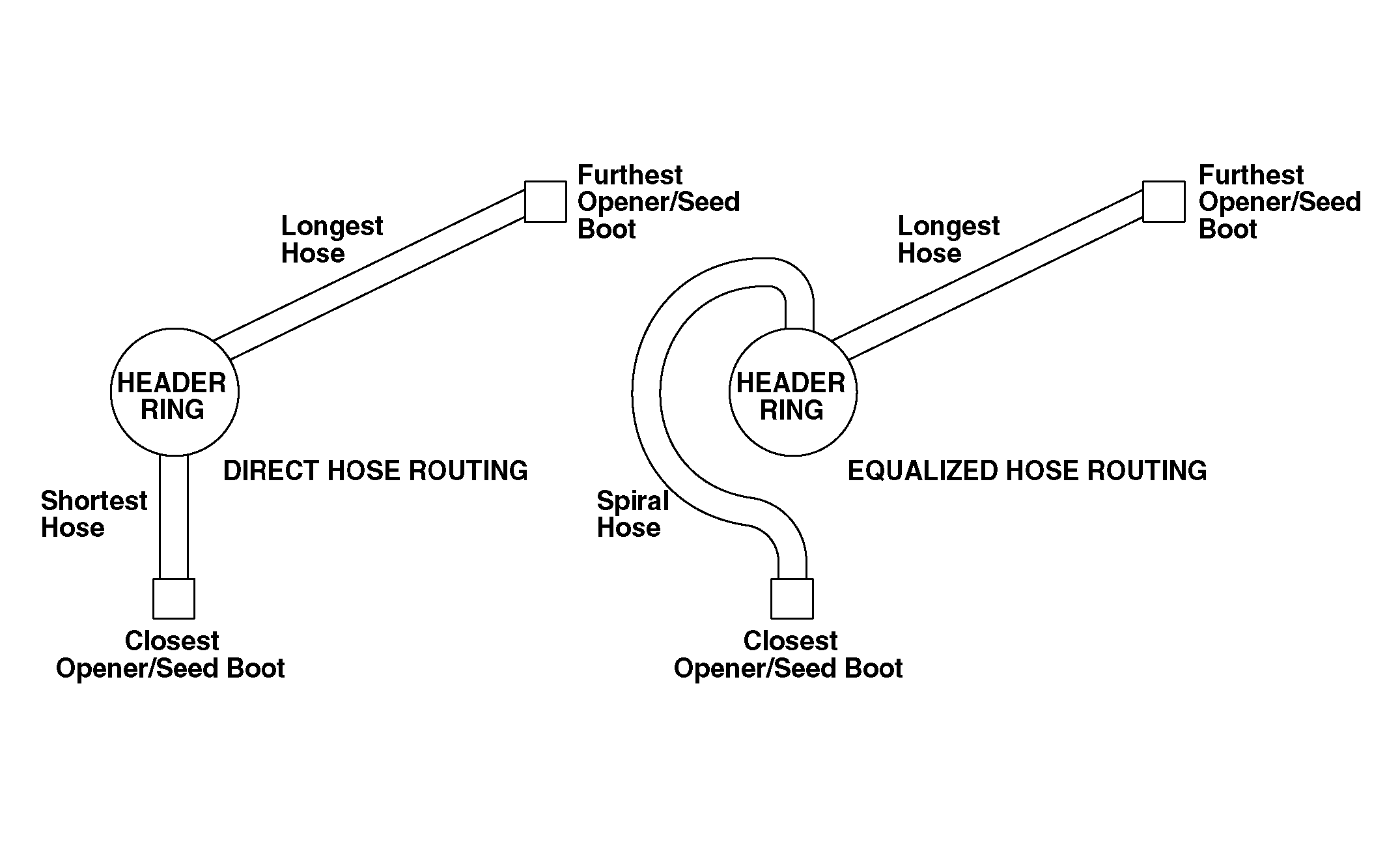
From a given header ring, maximum allowable difference between longest and shortest hose can be no more than 1.22 m (4 ft.).
Should hose length difference exceed allowable maximum, reroute hoses using equalized method described.
-
Route longest hose from header ring to farthest opener-seed boot.
-
Use “spiral hose” routing to keep hose lengths within allowable difference 1.22 m (4 ft.).
Hoses gently slope down to openers in an “umbrella” fashion.
Avoid sharp bends.
Hoses are routed level or down. Avoid rises after dips.
|
AG,OUO6023,1067-19-20090601 |