Using Liquid Ballast
|
IMPORTANT: Liquid ballast is not preferred. Liquid weight greatly increases tire stiffness at lower operating pressures, and greatly reduces ride performance. Use calcium chloride to prevent water from freezing. A mixture of 3.5 lb of calcium chloride per gallon (0.42 kg per liter) will not freeze solid above -50°F (-45°C). |
|||||||||||||||||||||||||||||||||||||||||||||
 CAUTION:
Avoid possible injury. Installing liquid ballast requires special equipment and training. See your John Deere Dealer or a tire service store.
CAUTION:
Avoid possible injury. Installing liquid ballast requires special equipment and training. See your John Deere Dealer or a tire service store.
RW29387,0000158 -19-23OCT02-1/2 |
|
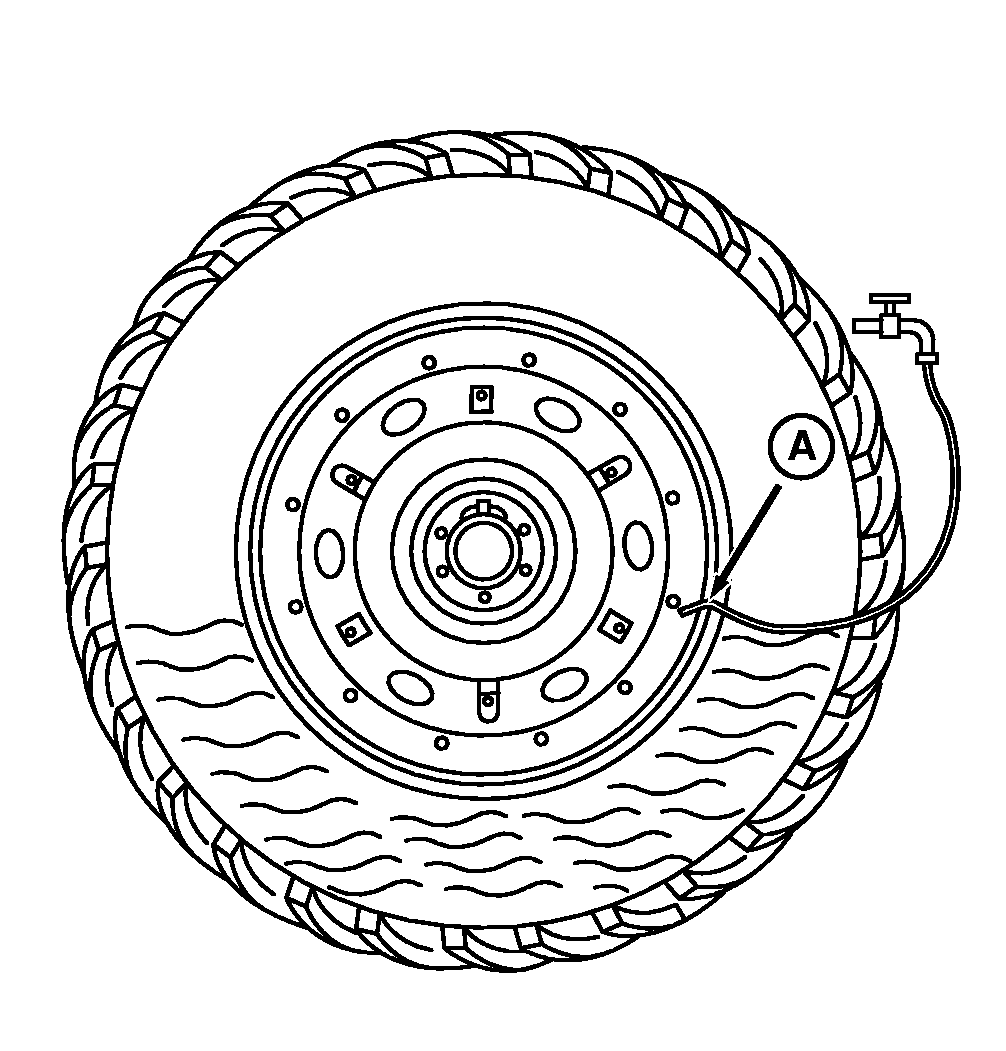
IMPORTANT: A maximum liquid fill of 40 percent is recommended for better tractor performance. NOTE: Use of alcohol as liquid ballast is not recommended. In areas where freezing is not a problem and water is used as a ballast, multiply the weight shown in the table by 0.8. Fill tube-type or tubeless tires up to valve level (40 percent full) with valve (A) in the 4 o'clock position. Radial and bias tires hold the same amount of liquid. When putting liquid in rear tires, make sure all tires on the axle have the same amount of liquid fill.
|
|
RW29387,0000158 -19-23OCT02-2/2 |