Measuring Wheel Slip-MANUALLYNOTE: Wheel slip can be easily determined, automatically, with Performance Monitor, if equipped with optional radar unit. (See Controls and Instruments Section.) Radar will display true ground speed on corner post below 26 km/h (16 mph) and actual wheel speed above 27 km/h (16 mph). |
RW29387,00002CB -19-06DEC05-1/2 |
|
1.
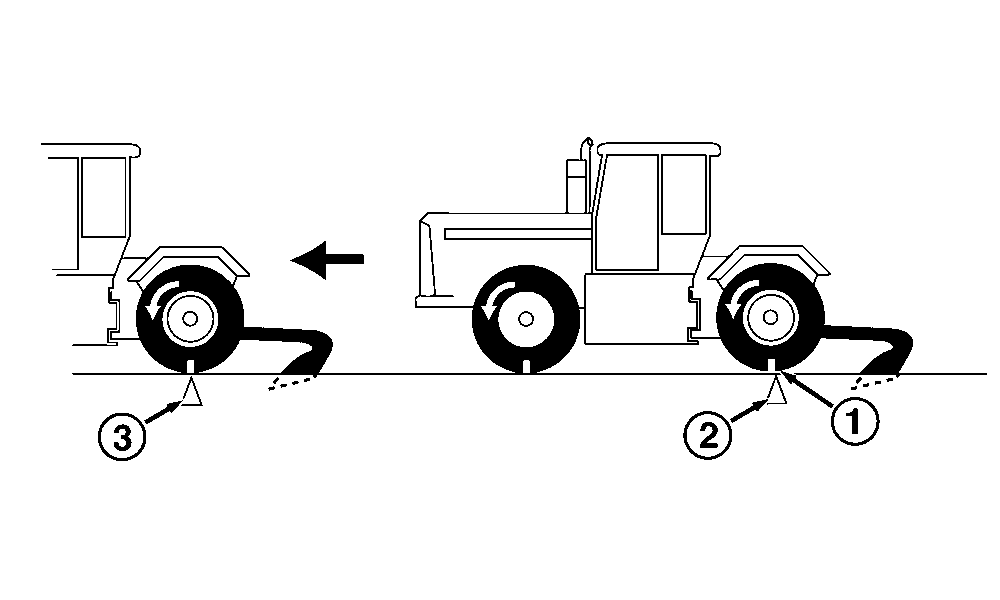
Mark a tire.
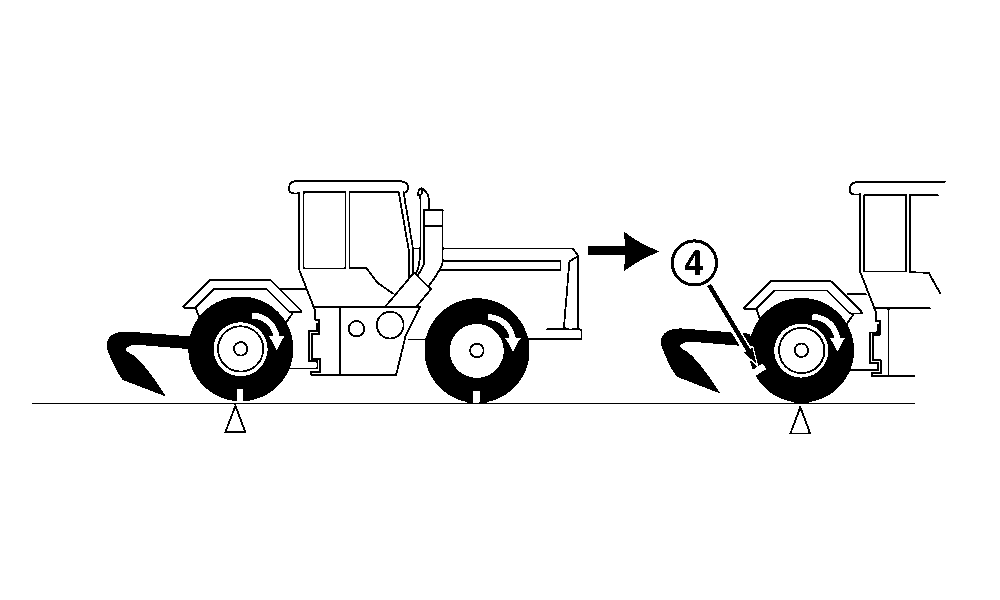
2. With tractor working, mark a starting point on the ground. 3. Follow tractor and mark the ground again where tire completes 10 full revolutions. 4. At working speed, go back with implement raised. Count revolutions between same two marks. 5. Use second count and chart to determine slippage. Remember 8-12 percent is ideal.
6. Adjust ballast or load to give 8-12 percent slippage at 4.1 mph (6.6 km/h), without exceeding maximum ballast level. NOTE: Available horsepower is greatly reduced when wheel slip drops below eight percent. |
|
||||||||||||||||||||||||||||||||||||||||||||
RW29387,00002CB -19-06DEC05-2/2 |