Knotter Difficulties—Continued
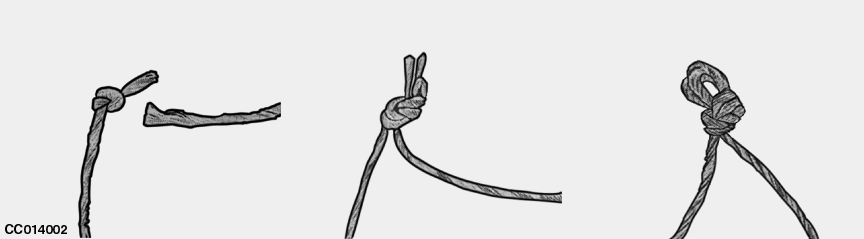
CC014002-UN-22OCT98
| Symptom | Problem | Solution |
|
Knot in needle twine | Twine over the bale pulled out of twine disk. (Can be detected by square cut end which has been flattened in disks. This twine is usually shorter than mating twine tied on opposite side of bale.) |
Increase tension on twine disk spring and/or decrease bale tension. Relocate feeder fingers. |
|
Twine over bale sheared out of twine disks. (In this case, the twine end will be frayed and torn, not cut squarely by knife as described above.) |
Decrease tension on twine disk spring. Decrease bale tension. |
|
One twine strand doubled back through knot (does not affect knot strength) | Billhook tongue is closing on top of twine |
Bend knife arm so that knife arm groove will hold twine over billhook tongue further to right. Adjust timing of twine disks. |
|
Twine hanging up on knife arm |
Polish knife arm at bend. |
|
|
Insufficient clearance between billhook and knife (wiper) arm |
Adjust clearance. |
|
Double twine bow knot | Insufficient travel of knife arm past billhook |
Bend knife arm to obtain correct travel. |
|
Billhook pressure arm spring to loose |
Tighten adjusting nut on billhook pressure arm spring. Bend knife arm to obtain more clearance between knife and twine disk. Check knife arm cam in intermittent gear for excessive wear. Replace gear if cam is worn. |
|
OUCC002,00022E7-19-20060703 |