Threshing EvaluationThreshing can be evaluated by checking: 1.
The tailing
|
|
AG,GG05155,111 -19-24OCT03-1/12 |
|
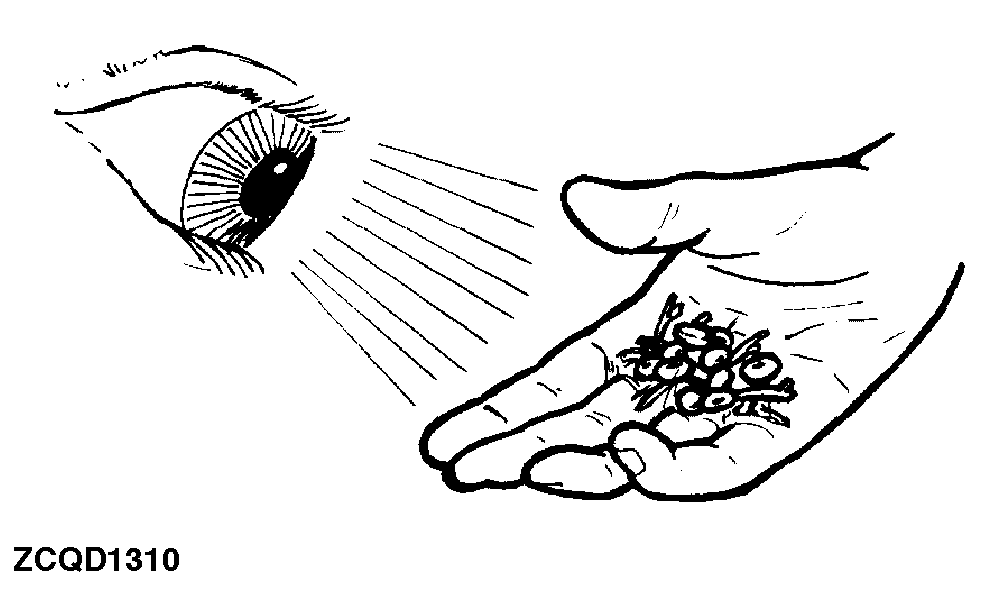
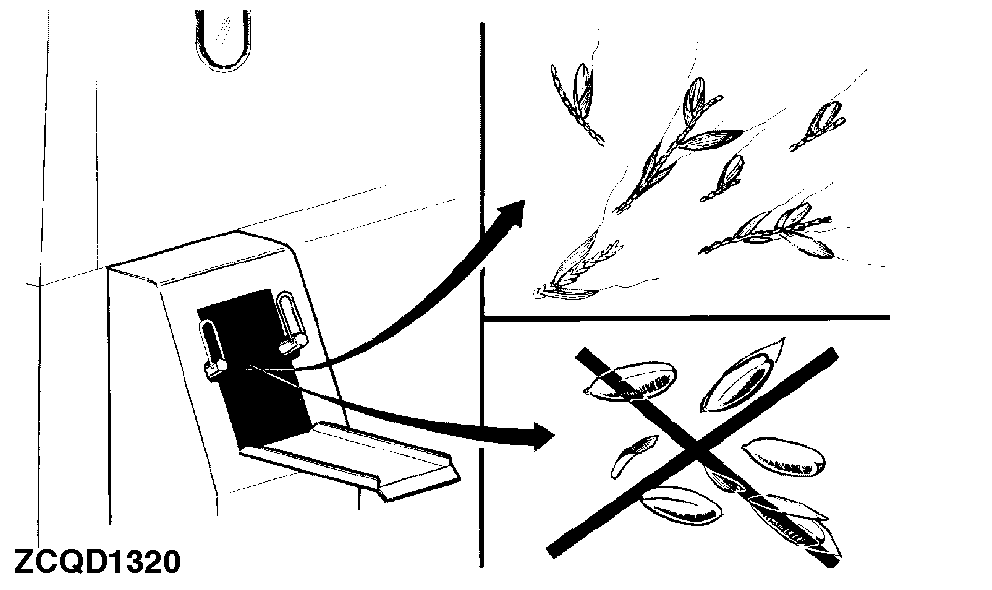
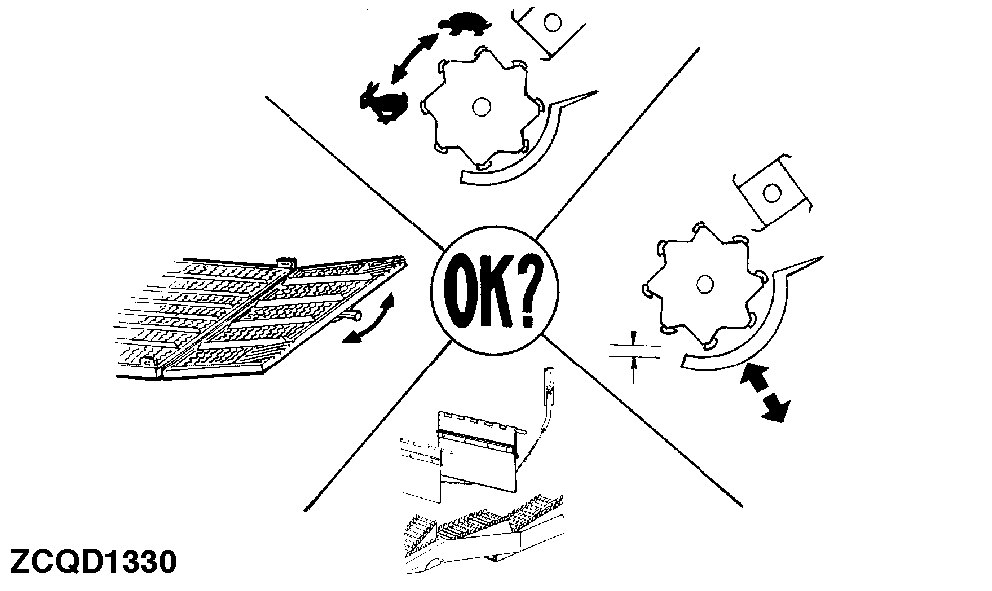
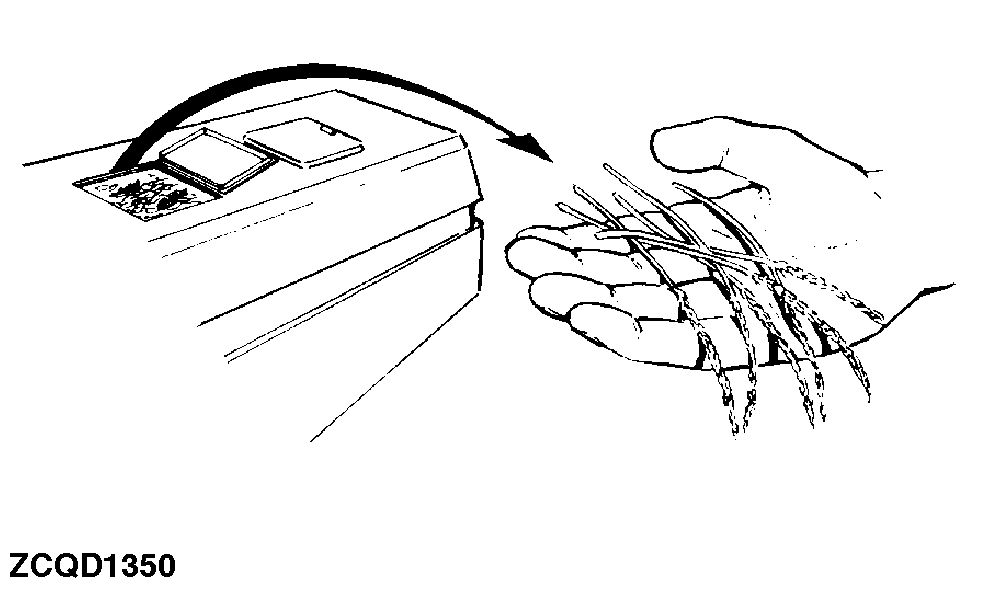
Examining Tailings Usually the Tailings should have pods, ears or sheaves that were not threshed passing, and in a very small quantity, loose grains, wet straw and waste straw. The amount of product in two blades of the elevator should be less than a handful. Poor Tailings Check:
|
|
AG,GG05155,111 -19-24OCT03-2/12 |
|
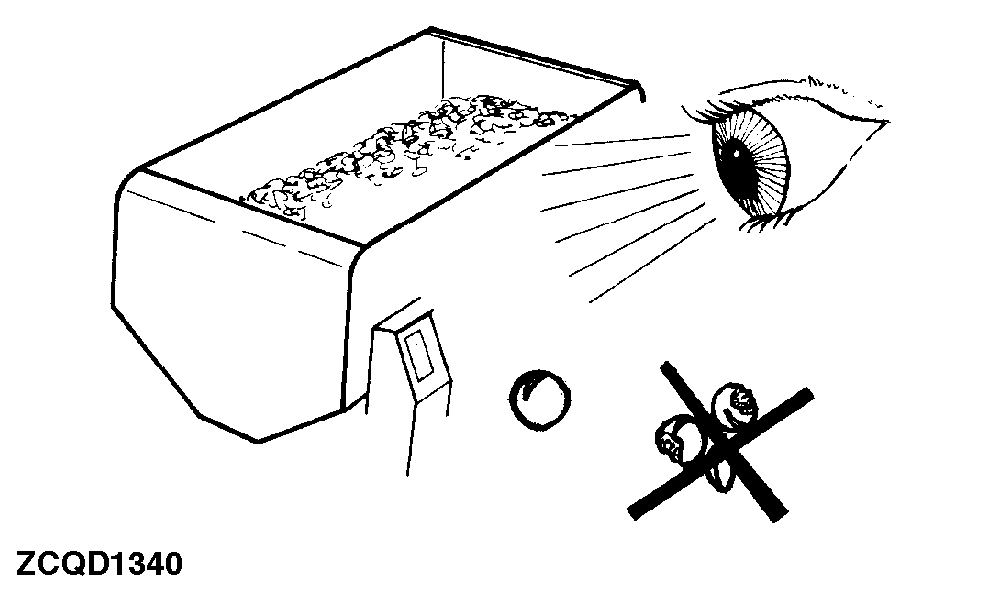
Examining the Grains in the Grain Tank A sample taken from the grain tank should have few broken or skinned grains. If there are too many broken or husked grains, check:
|
|
AG,GG05155,111 -19-24OCT03-3/12 |
|
Examining Straw on the Straw Walker The straw on the walker should be whole and the pods or sheaves fully aligned. If there is the presence of an excessive amount of unthreshed sheave, ear or pod ends, check:
If the straw is overchopped, check:
|
|
AG,GG05155,111 -19-24OCT03-4/12 |
|
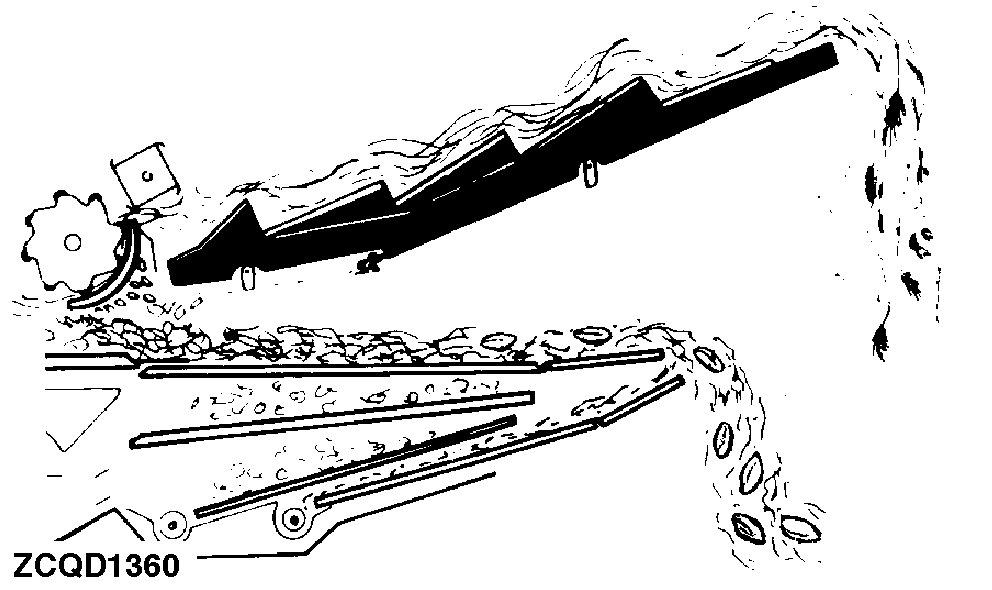
Examining the Grains Lost Behind the Combine The grains lost behind the combine may be either from the shoes or the straw walker. If they come from the shoes, they fall around the rear combine axle. If they come from the straw walker, they fall farther away. Losses from the straw walker usually mean bad adjustment of the threshing unit. |
|
AG,GG05155,111 -19-24OCT03-5/12 |
|
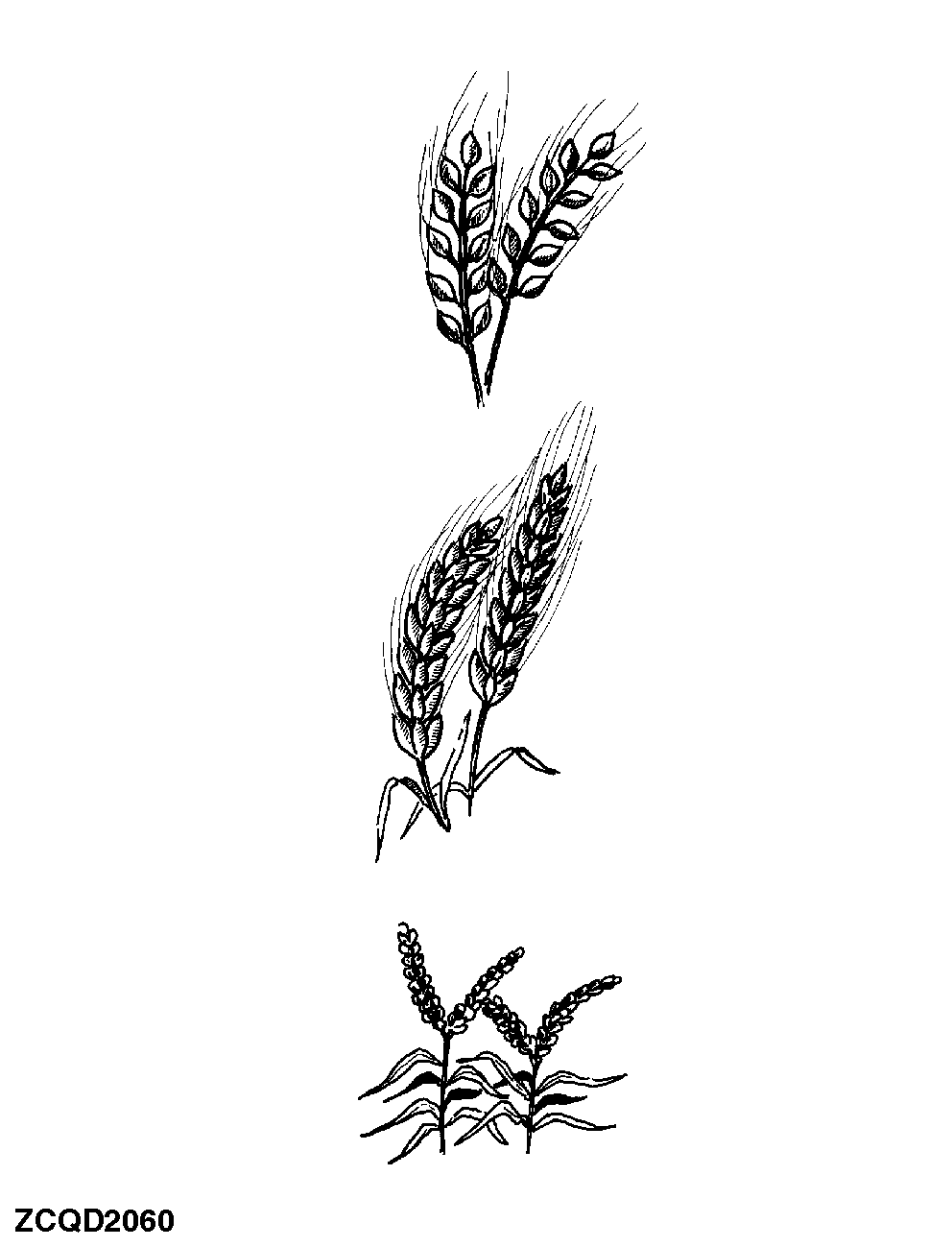
Harvesting Small Grain When harvesting very small grain or seeds (wheat, barley and pasture seeds) the opening between the concave and the cylinder must be adjusted so that the grains are completely removed from the straw or stalk. This can be judged from the condition of the straw on the straw walker. If the clearance between the concave and the cylinder is too small, the straw will be excessively chopped and more power is required from the engine for threshing. If the opening is too small, the product will not be completely threshed. Once the concave is correctly adjusted, the cylinder speed must be adjusted to obtain maximum threshing with the least damage to the product. If the product gets damaged, the clearance between the concave and the cylinder is not to be increased. Instead, the cylinder speed should be reduced. The clearance between the concave and the cylinder for these products has very little effect on grain damage. NOTE: For initial adjustment, follow the basic adjustments table in the "Basic Adjustments" section.
|
|
AG,GG05155,111 -19-24OCT03-6/12 |
|
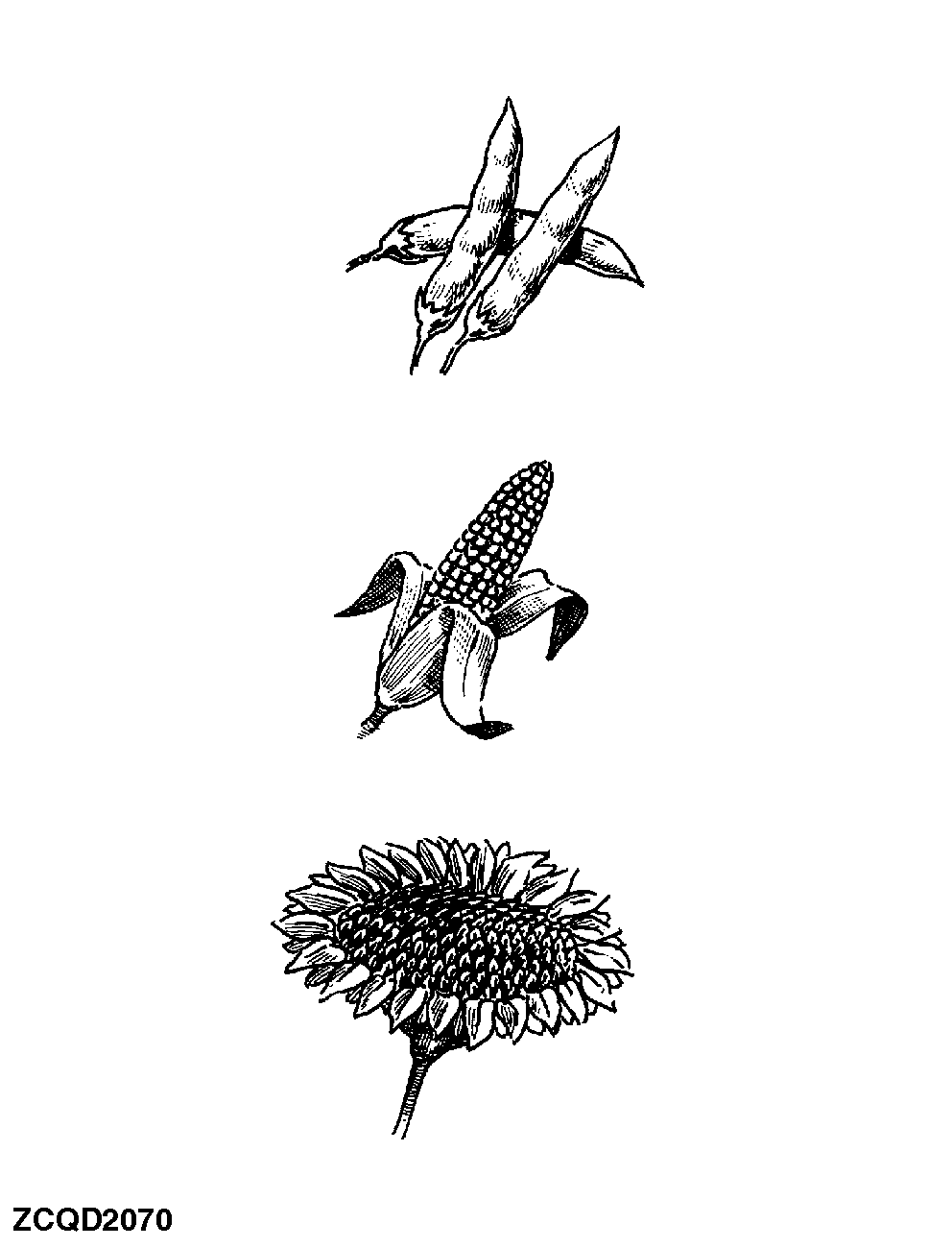
Harvesting Large Grain For harvesting large grains (soy, corn, sunflower) the same procedures apply, except that the opening between the concave is larger. For corn, this opening is determined by the size (thickness) of the ear and how easy it is for threshing. Usually this opening is adjusted big enough to keep the ears whole, or as large as possible, during threshing. NOTE: For initial adjustment, follow the basic adjustments table in the "Basic Adjustments" section.
|
|
AG,GG05155,111 -19-24OCT03-7/12 |
|
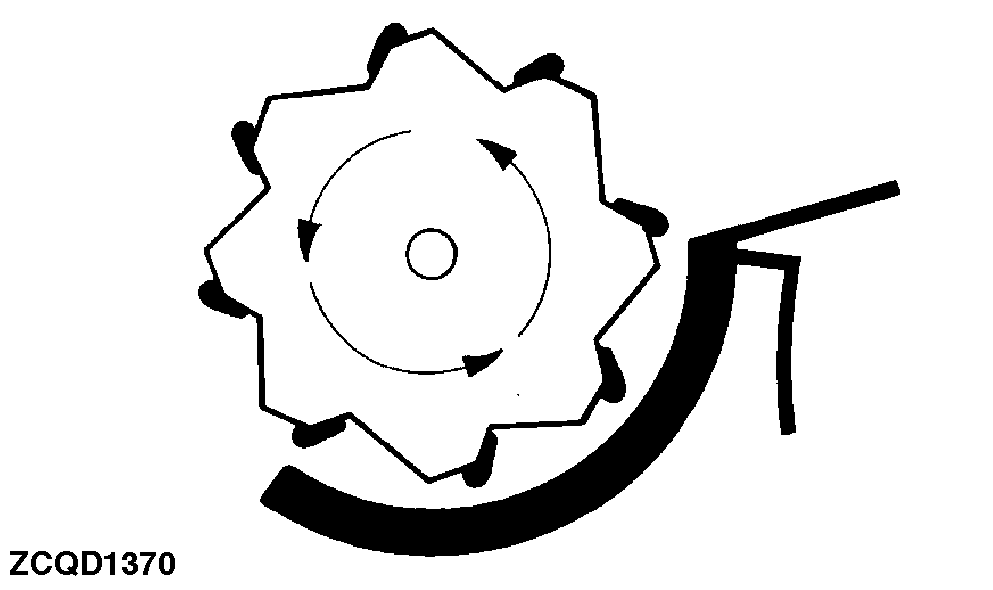
Cylinder Speed The cylinder speed basically affects two things: - The quality of the threshed grain. - The quantity of broken or husked grain The so-called easy to thresh products are those that need low impact to be threshed, but can tolerate high impact before breaking up. When threshing this type of product, adjusting the cylinder speed is easier. On the other hand, when the impact needed to thresh the product is almost the same as the impact that breaks the grain, then the speed must be carefully adjusted to obtain the most complete threshing with the least breaks possible. |
|
AG,GG05155,111 -19-24OCT03-8/12 |
|
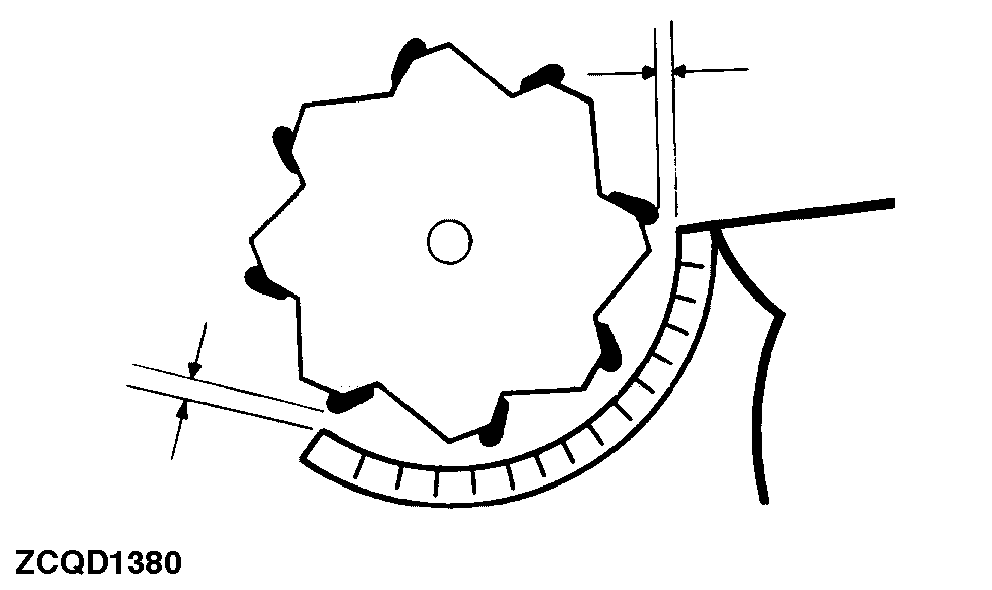
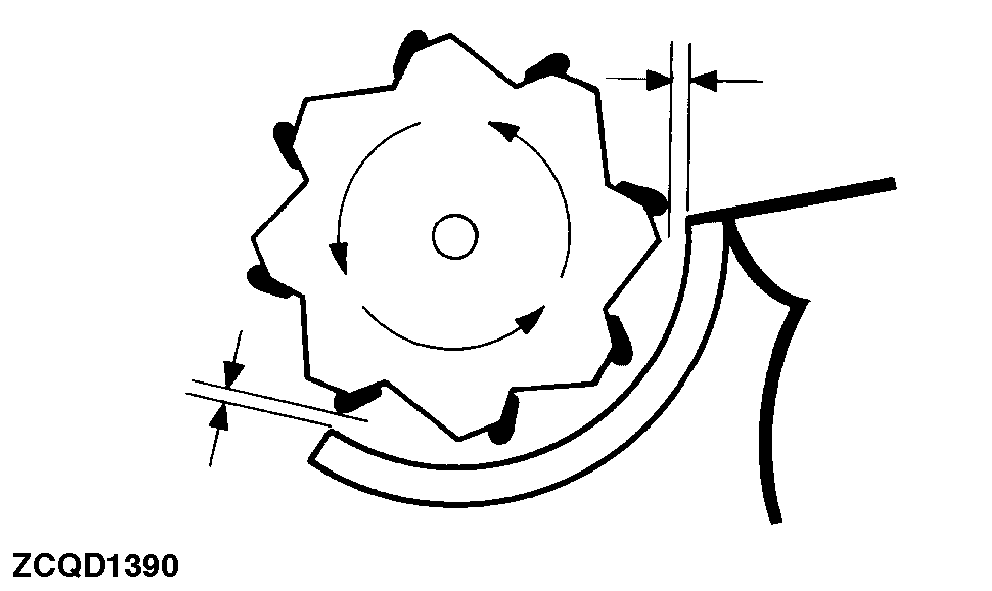
Opening Between the Concave and the Cylinder The clearance between the concave and the cylinder affects: - The quality of the threshing action - The quantity of grains separated from the straw by the concave When threshing is difficult, the opening between the concave and the cylinder can be reduced to soften the layer of straw between the cylinder and the concave, causing most of the pods (or ears, or sheaves) make contact with the cylinder. A smaller clearance between the concave and the cylinder can also result in more separate grains from the straw. The grains will move easiest through the softer layer of straw with a narrow clearance than through thicker layers of larger clearances. With adequate clearance there is more threshing action on the front part of the concave and most grains will drop through the concave before being unloaded outside the concave and cylinder area. With a larger clearance between the concave and the cylinder, threshing takes place further back on the concave and there is no time to separate the grains by the concave, and they drop onto the straw walkers, overloading them. |
|
AG,GG05155,111 -19-24OCT03-9/12 |
|
Optimum Operation Between the Concave and the Cylinder The cylinder speed and the adjustment of the opening between the concave and the cylinder are the most important factors in obtaining optimum results and they should be adjusted together before and while harvesting. |
|
AG,GG05155,111 -19-24OCT03-10/12 |
|
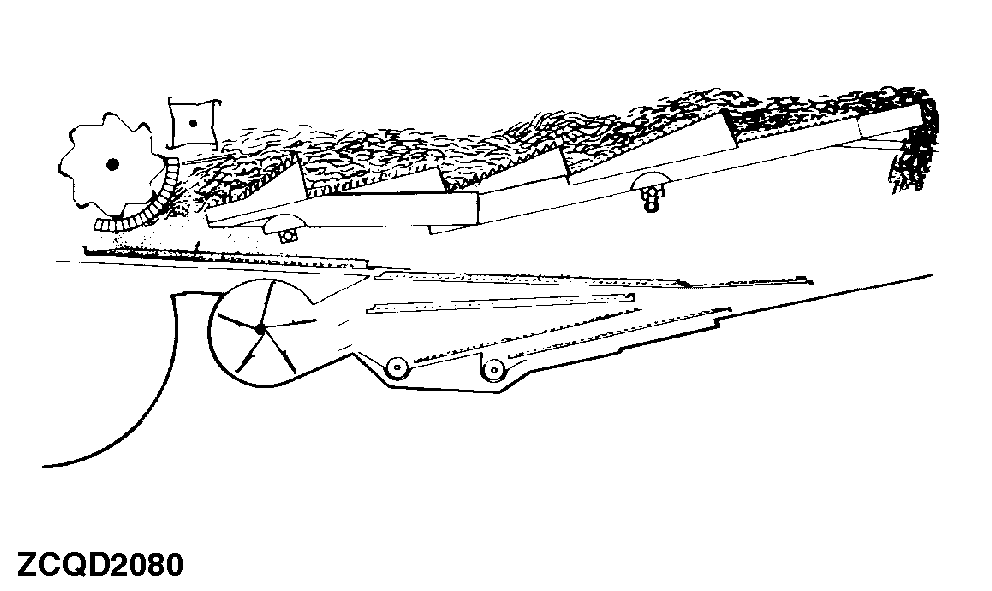
Excessive Threshing Action Excessive threshing action is caused by excessive cylinder revolution as well as by a small clearance between the concave and cylinder. The excessive threshing action may be reduced by reducing the speed of the cylinder. Initially, reduce the speed by just 5%. Check the result of this change before making further adjustments. If reducing the cylinder speed by 10% still does not work, then open the concave slightly. If the excessive threshing action is not corrected through these means, try reducing the combine ground speed. A very large volume of material at very high speed may cause excessive threshing action. IMPORTANT: Always check the results before making further adjustments. Each variation in the adjustment should not be above 5%.
|
|
AG,GG05155,111 -19-24OCT03-11/12 |
|
Lack of Threshing Action Lack of threshing action is caused by very low cylinder revolution as well as by a large clearance between the concave and cylinder. In this case, the cylinder speed should be increased by 5%. If this does not work, reduce the clearance between the concave and the cylinder slightly. Check the result after each new adjustment. Under certain harvesting conditions (small quantity of straw), the lack of threshing action may not be corrected with these adjustments only. In this case, increase the combine ground speed engaging a fast gear. IMPORTANT: Always check the results before making further adjustments. Each variation in the adjustment should not be above 5%. |
|
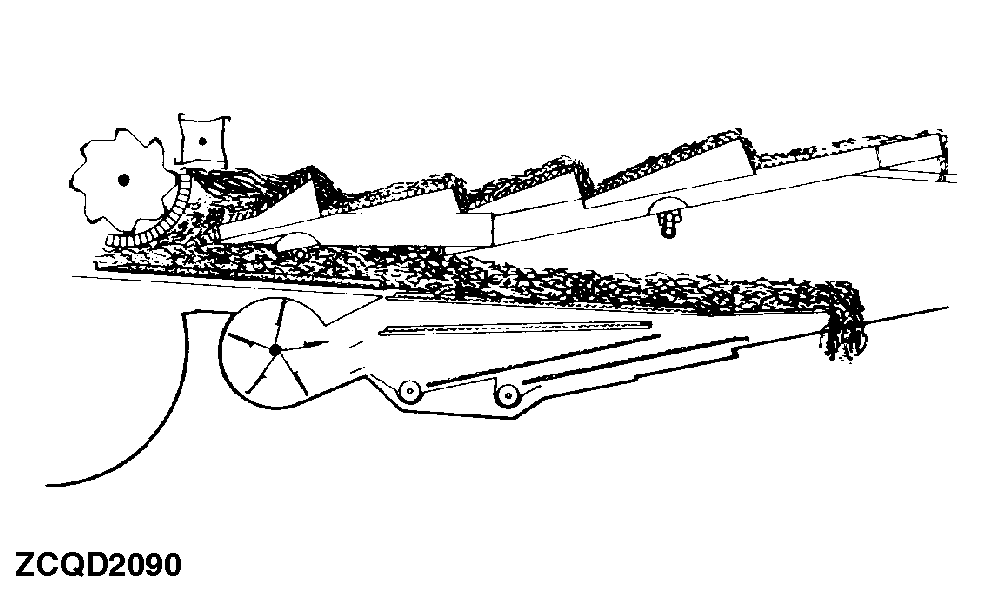
AG,GG05155,111 -19-24OCT03-12/12 |