Cutting PlatformNOTE: For further information, refer to the Operation Manual for the Cutting Platform used. When working with the cutting platform, consider the following points: 1.
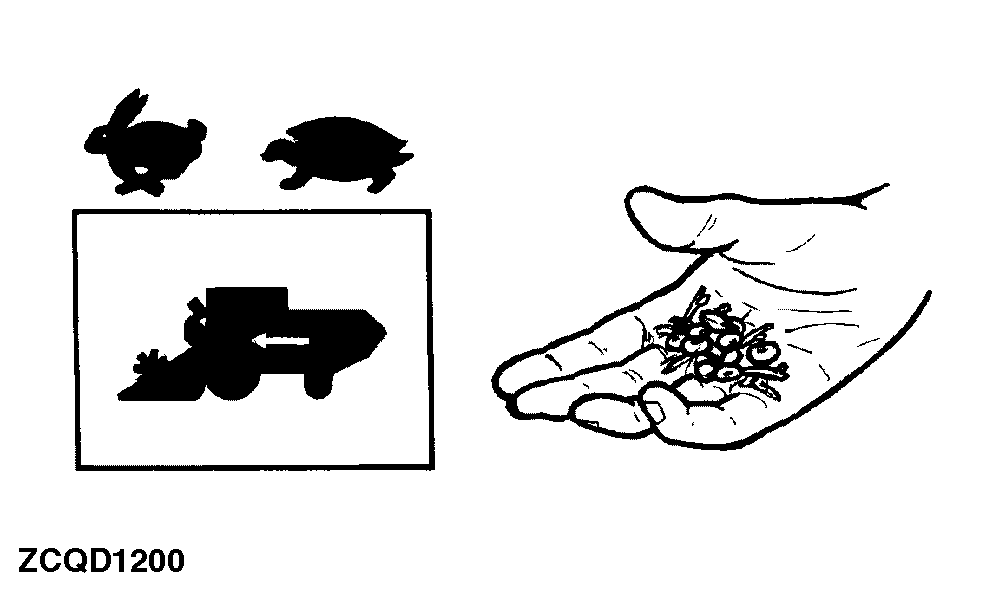
Combine ground speed
|
AG,GG05155,94 -19-24OCT03-1/7 |
|
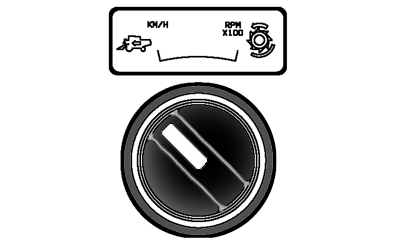
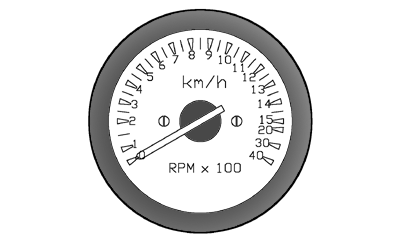
Combine Ground Speed The ground speed depends largely on the mass volume of the product and the ground conditions. Consider the weather, product humidity, the loss limit set, the combine capacity and the width of the header. With high productivity crops, reduce the ground speed adequately. Applying maximum harvest working speed depends on the threshing and separation capacity, considering the degree of cleanliness desired for the grains. If the ground speed is too high, the combine is loaded heavily, which may result in a considerable loss of grains Even well adjusted, positive results are not assured. The consequence of a high ground speed is unthreshed pods, ears or sheaves, as well as unchopped straw overloading the straw walker and the shoes. The result is the "loss of grains". NOTE: The forward speed of the combine may be measured from the operating platform. For such, the speedometer or tachometer selector on the cylinder indicator must be in the figure position to allow the speedometer or tachometer to provide speed readings (km/h). Cutting Height Put the cutting platform in such a way that the pods or sheaves that are lowest are cut off, that is, adjust the cutting height according to the conditions. |
|
AG,GG05155,94 -19-24OCT03-2/7 |
|
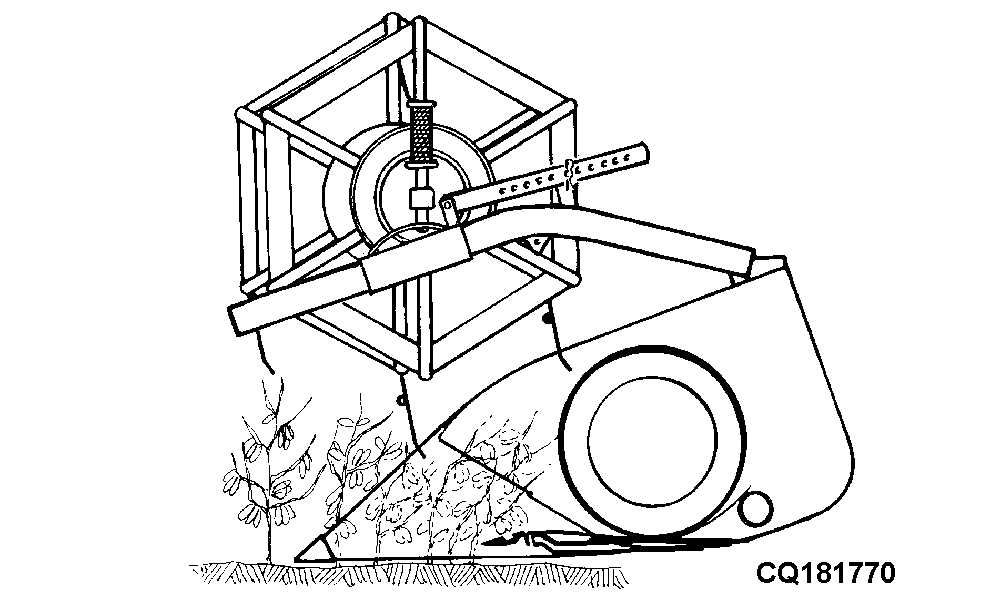
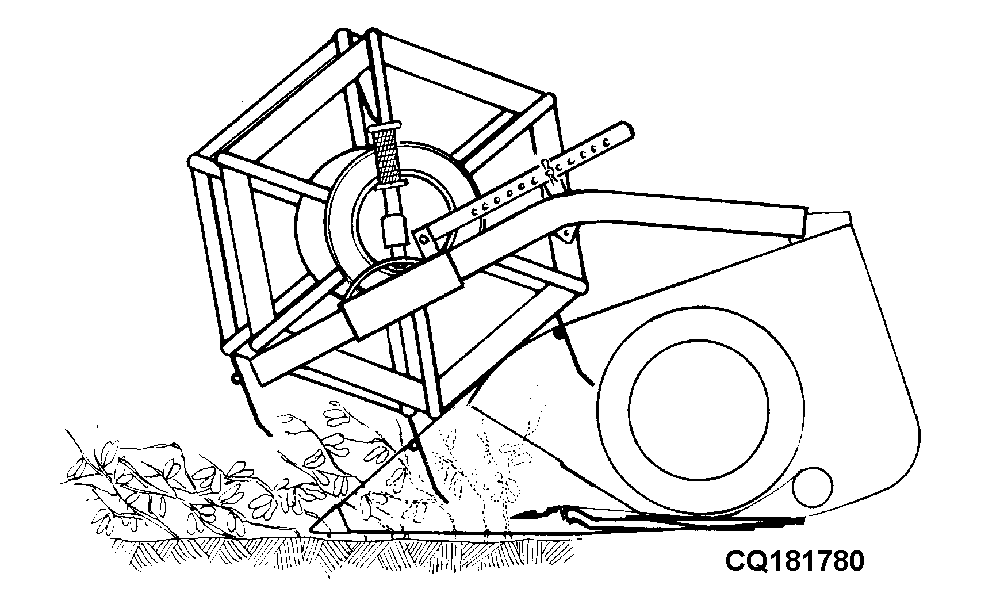
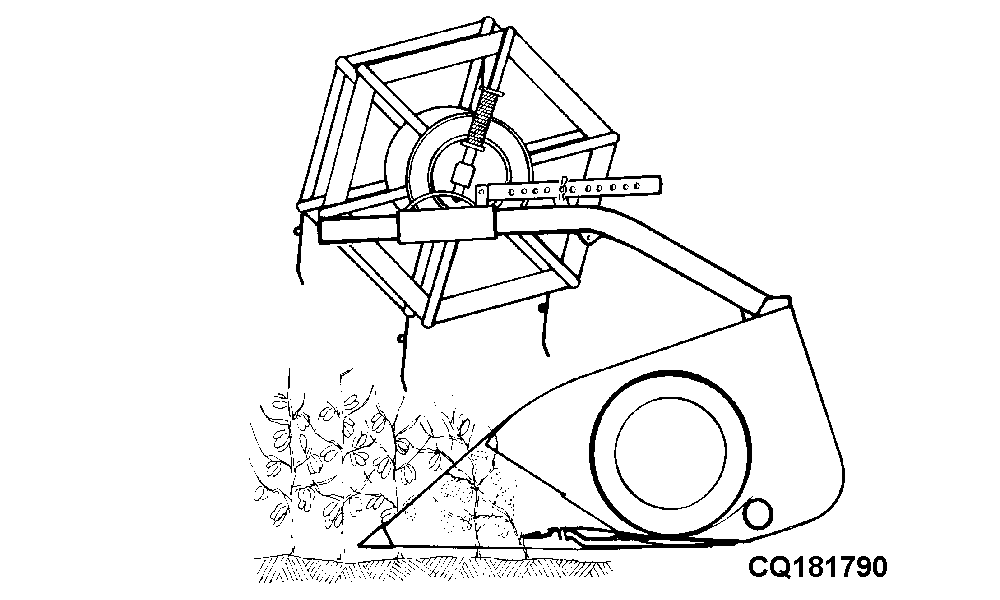
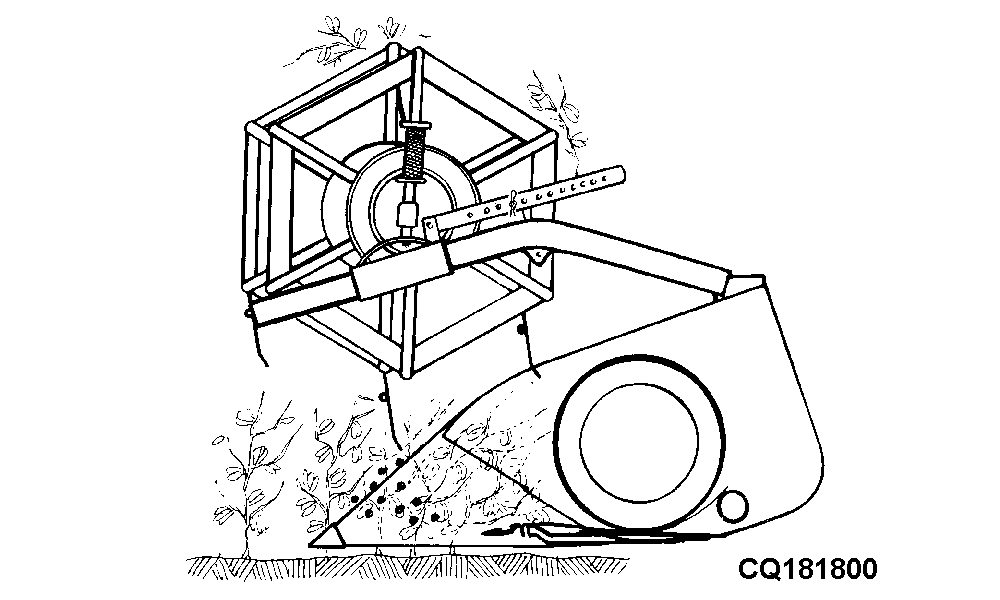
Reel Position The reel position varies according to plant conditions. Standing plants Adjust the height of the reel so that the plant is supported by the reel bars at the middle point, that is, between the cutting point and the top part of the plant. Always place the reel slightly ahead of the cutterbar. Lying plants Move the reel ahead of the cutterbar and adjust its height so that the riser fingers raise the product for the reel bars to be able to hold it for cutting. When adjusting the fingers, check that the plants do not get entangled around the reel, but convey continuously to the auger. Some Consequences of an Incorrectly Adjusted Reel Position:
|
|
AG,GG05155,94 -19-24OCT03-3/7 |
|
Reel Speed NOTE: The speed of the reel is correct when the product falls immediately into the cutting platform.
|
|
AG,GG05155,94 -19-24OCT03-4/7 |
|
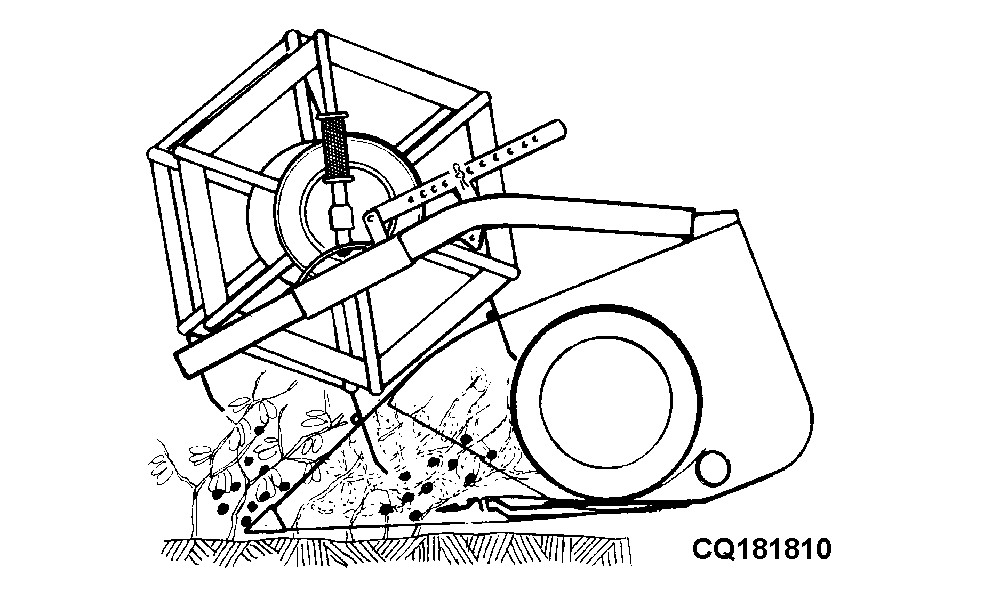
As a General Rule - For standing plants, the reel speed may be equal to or slightly lower than the combine ground speed. - For lying plants, reel speed should be greater than the combine ground speed. |
|
AG,GG05155,94 -19-24OCT03-5/7 |
|
Some Consequences of an Incorrectly Adjusted Reel Speed: Low Reel Speed - Losses due to tumbling the product ahead of the cutterbar. - Cut product getting entangled around the reel. High Reel Speed - Losses from threshing due to impact. - Losses from cut product being cast to the ground. - Losses from the product being pushed downward before being cut. |
|
AG,GG05155,94 -19-24OCT03-6/7 |
|
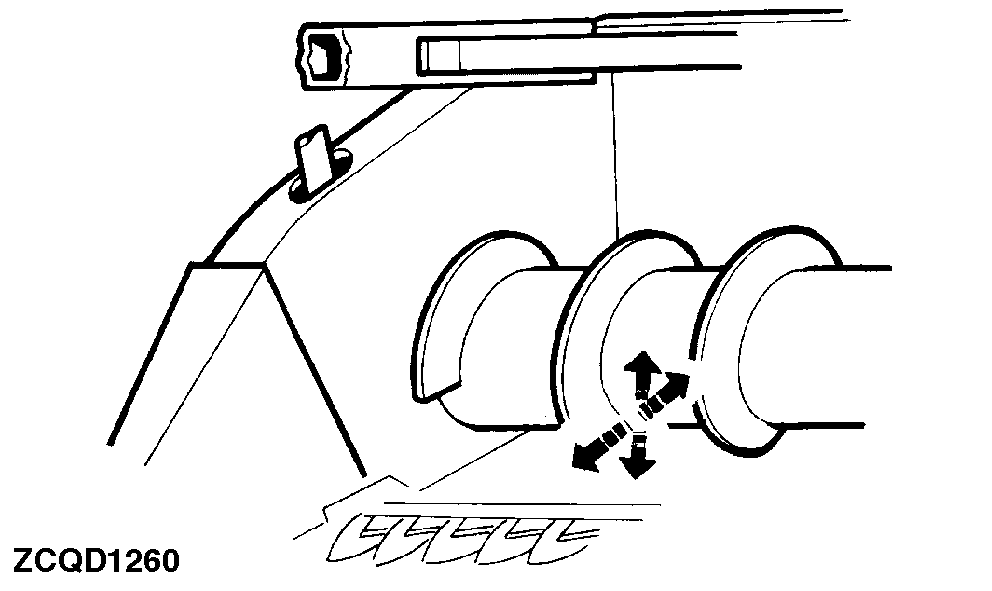
Auger Position The auger should be adjusted in such a way that the product is carried evenly into the feeder house. Excessive auger height in relation to the underside of the header results in uneven feeding. If this clearance is too small, it will cause early threshing - the grains fall to the ground. The stalks will be shredded. Retracting Finger Position The retracting fingers should be adjusted in such a way that the product is carried whole into the feeder house, with no early splitting and/or threshing. Retracting fingers placed too far ahead may cause losses from damage to the product, such as early splitting and/or threshing. Retracting fingers excessively retracted, with smaller products, may result in losses due to deficient feeding. |
|
AG,GG05155,94 -19-24OCT03-7/7 |