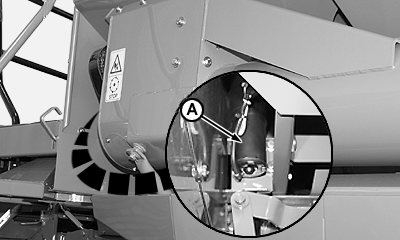
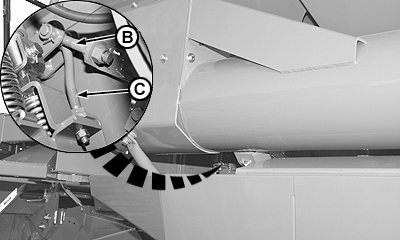
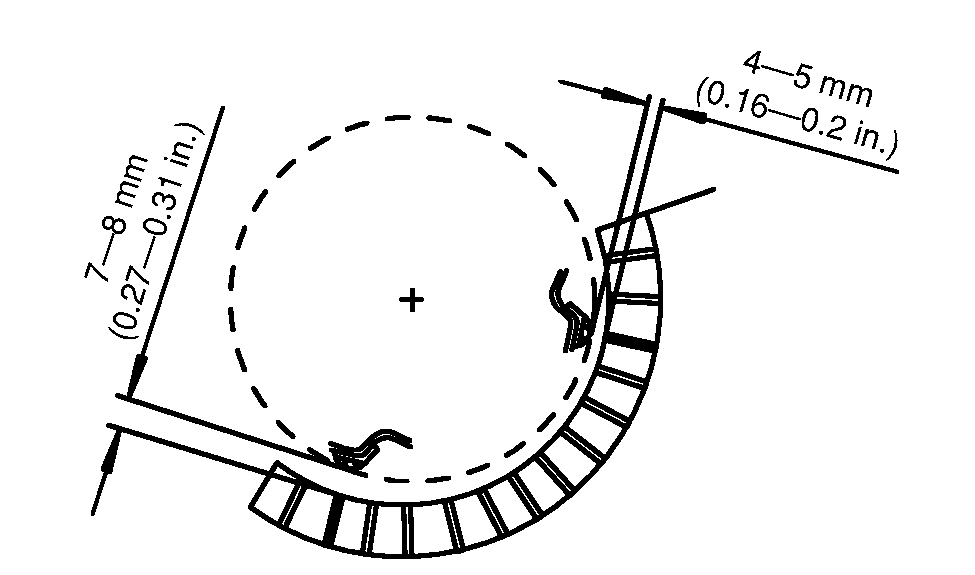
Adjusting Concave-to-Cylinder ClearanceBefore adjusting the concave and cylinder clearance by the electrical system from the cab, fine adjustment is necessary. The electrical actuator (A) should be completely extended so that there is a minimum clearance between concave and threshing cylinder. The INFOTRAK monitor must display a concave clearance of "4". Adjust rear part of concave by means of threaded rod (B) and adjust front part of concave through threaded rod (C). Rear clearance:
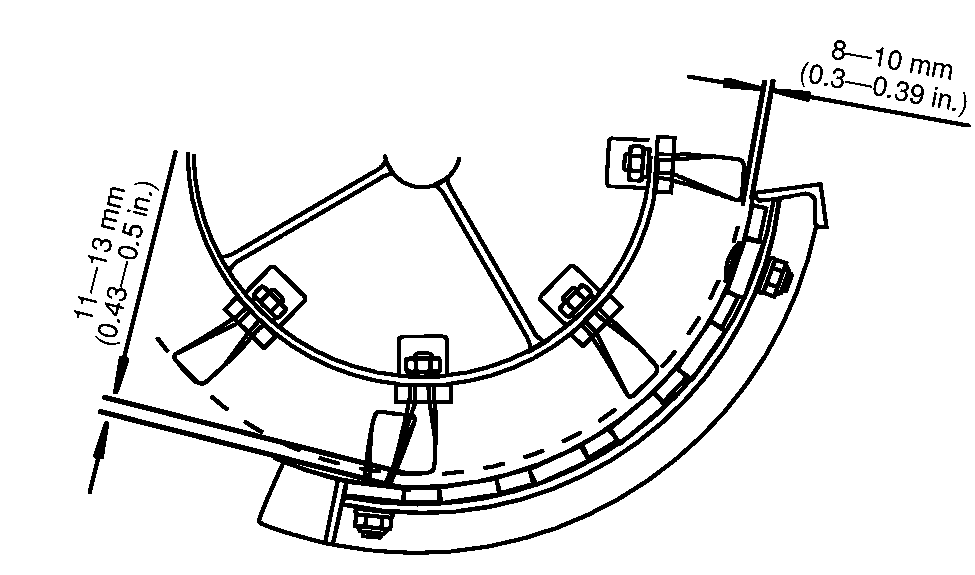
Front clearance:
IMPORTANT: Carry out adjustment on both sides of combine. NOTE: This adjustment should always be done when changing concave. NOTE: All further clearance adjustments must be made via the switch in the cab. See "Concave Clearance Adjustment Switch" for more details. |
|
AG,CO03622,1652 -19-24APR08-1/1 |