Cooling System Pressure Test
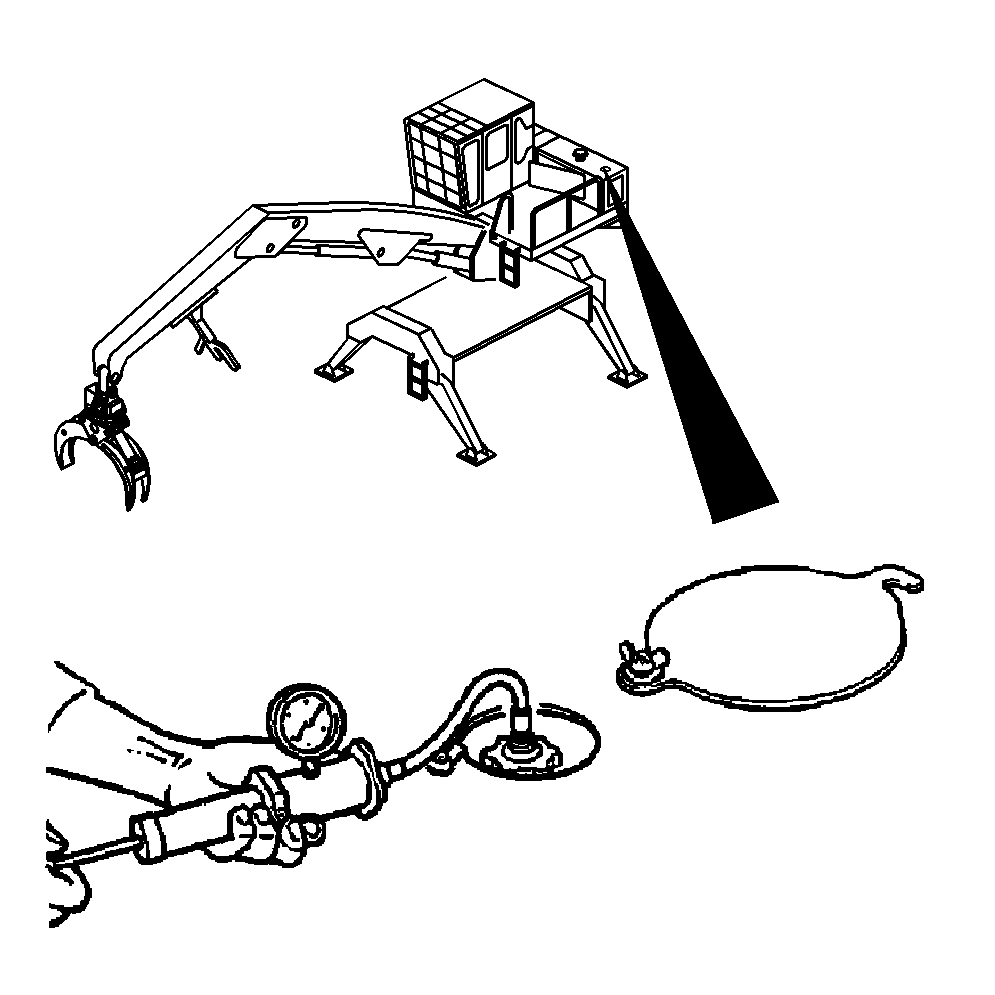
Liquid cooling systems build pressure as the engine heats. Before removing the radiator cap, stop the engine and let the engine cool. Remove the radiator cap ONLY after the system has cooled enough to touch with bare hands. To avoid possible injury, turn the tank filler cap approximately 1/4 turn to relieve residual pressure before removing the cap completely. NOTE: Engine coolant should be lukewarm when pressure testing the cooling system. 1. Remove the cover. Remove radiator filler cap. The radiator should be filled with coolant to the normal operating level.IMPORTANT: DO NOT apply pressures exceeding 15 psi (103 kPa) to the cooling system. Excessive pressure can damage radiator hoses. 2. Connect radiator pressure tester to the radiator filler neck and pressurize the cooling system to the specified value. Specification
3. Observe that the applied pressure remains constant for at least one minute. If the pressure drops check the radiator, hoses, and hose connections for leaks. NOTE: If the test pressure drops, but no apparent leak is detected, the pressure drop may be due to internal engine leakage: Contact an authorized dealer for further inspection. |
|
 CAUTION:
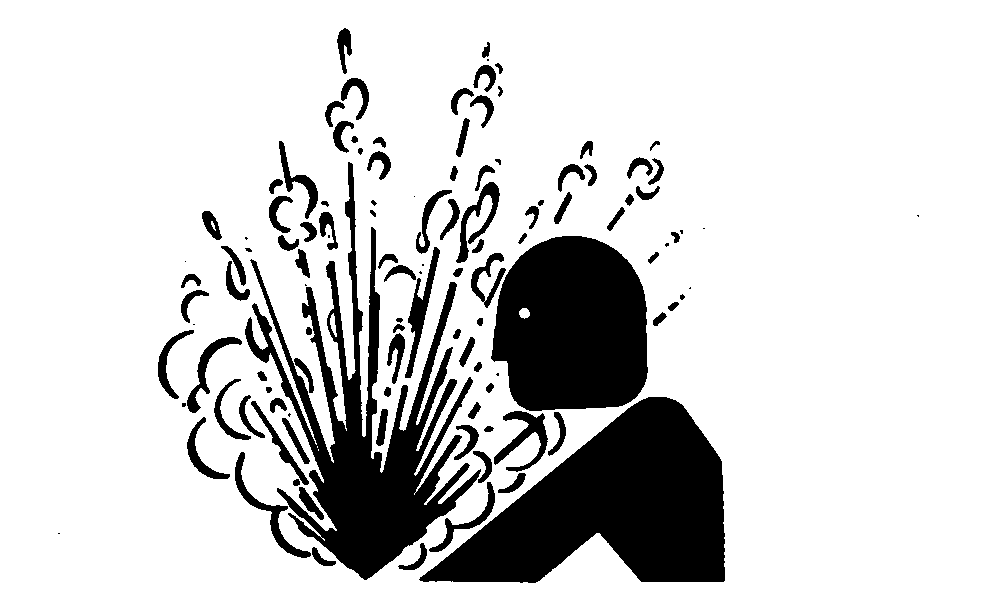
Explosive release of fluids from pressurized cooling system can cause serious burns.
CAUTION:
Explosive release of fluids from pressurized cooling system can cause serious burns.
OUTJ003,0000C03 -19-21JAN02-1/1 |