Pickup and Rotor Description
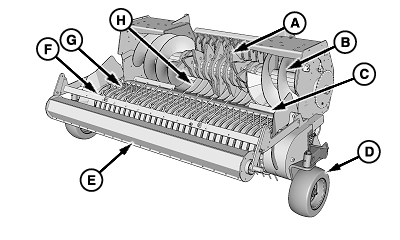
E75957-UN-30MAY14
A - Rotor Tines
B - Rotor Auger
C - Rotor Stripper (2 used)
D - Gauge Wheel (2 used)
E - Roller Baffle
F - Compressor Rack
G - Pickup Reel and Strippers
H - Precutter Knives (if equipped)
As baler moves forward, pickup collects windrowed crop from the ground into the machine forming a large square bale. Windrow is compressed and controlled by roller baffle (E) and compressor rack (F). This holds crop against pickup teeth and strippers maintaining positive flow of material up into the rotor. Crop is fed into rotor system and is converged to the width of the precompression chamber with flights of rotor auger (B). Rotor tines feed crop back into precompression chamber where feeder fork system operates to finish feeding crop into bale chamber.
If equipped, pickups with precutters cut crop into shorter lengths using knives (H) as crop is fed into precompression chamber by rotor tines.
Pickup height is determined by adjusting pickup gauge wheels on both sides of pickup. Gauge wheels can be adjusted to several vertical positions using mounting bracket on each wheel. An average height for teeth-to-ground clearance is approximately 20—30 mm (0.75—1.2 in.). Correct adjustment depends on terrain, type of crop, and crop conditions.
Rotor is protected by a cam type slip clutch and pickup reel is protected by a radial type slip clutch.
Pickup suspension is adjusted at each pickup lift cylinder using a locking plate on float springs. Approximately 445 N (100 lb.-force) should be required to lift pickup.
An auto greasing system lubricates bearings and chains on pickup during operation.
|
SF04007,00009EE-19-20151222 |