Bale Forming
Avoid feed system overload. Feeder fork has two strokes to each plunger stroke.
Feeder fork can only make an extended fill stroke on second feeder fork stroke of each plunger stroke cycle.
After the “trip” has been activated, feeder fork can take one-to-two additional collection strokes before lifting the collected crop into bale forming chamber. An overload can occur on feeder fork clutch when too much crop is being pushed into bale forming chamber.
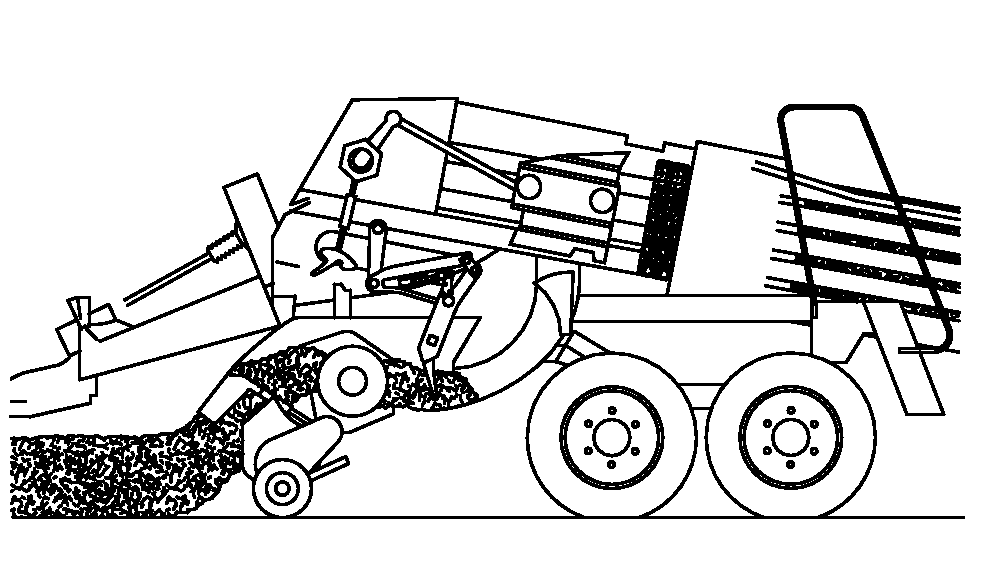
E76229-UN-11JUL14
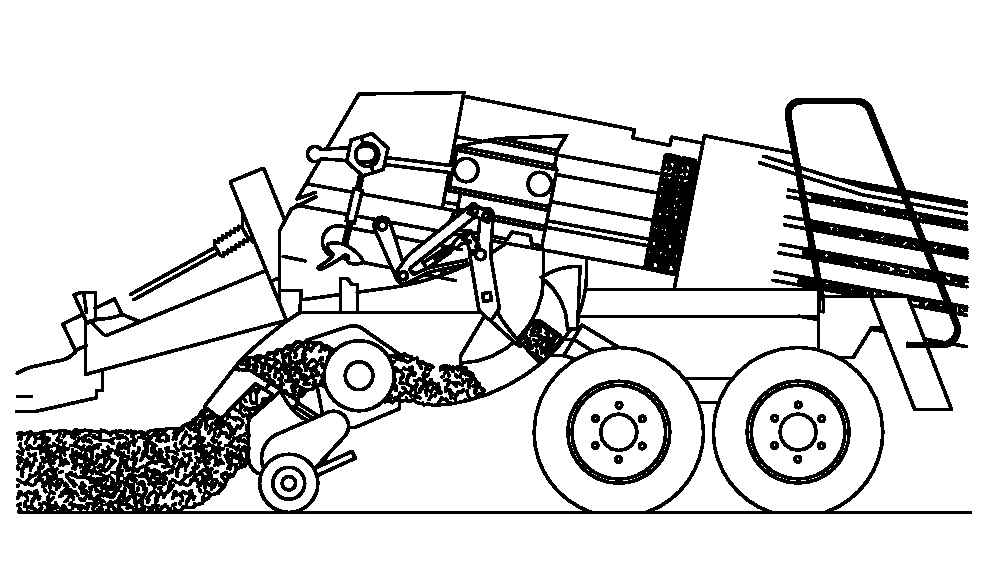
E76230-UN-11JUL14
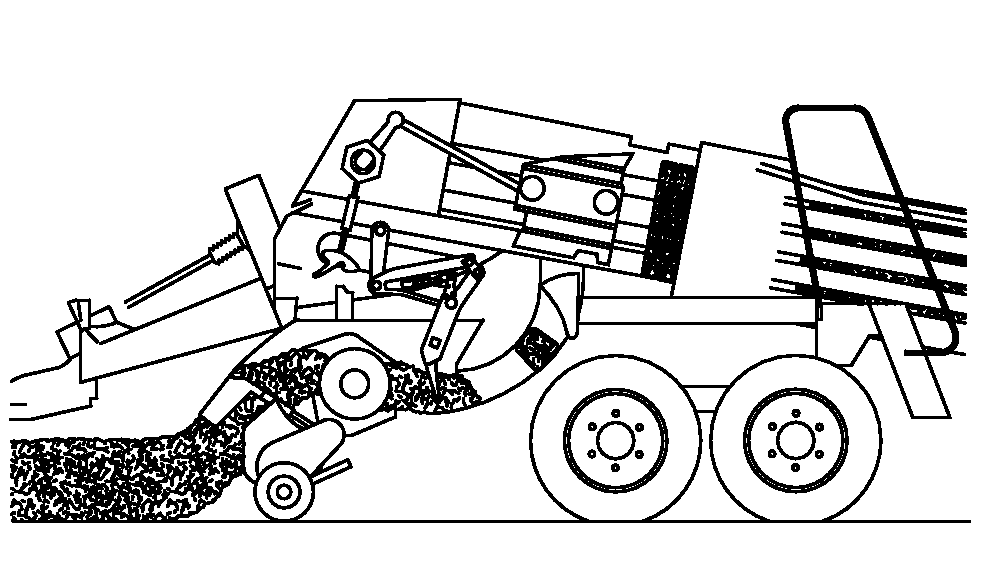
E76231-UN-11JUL14
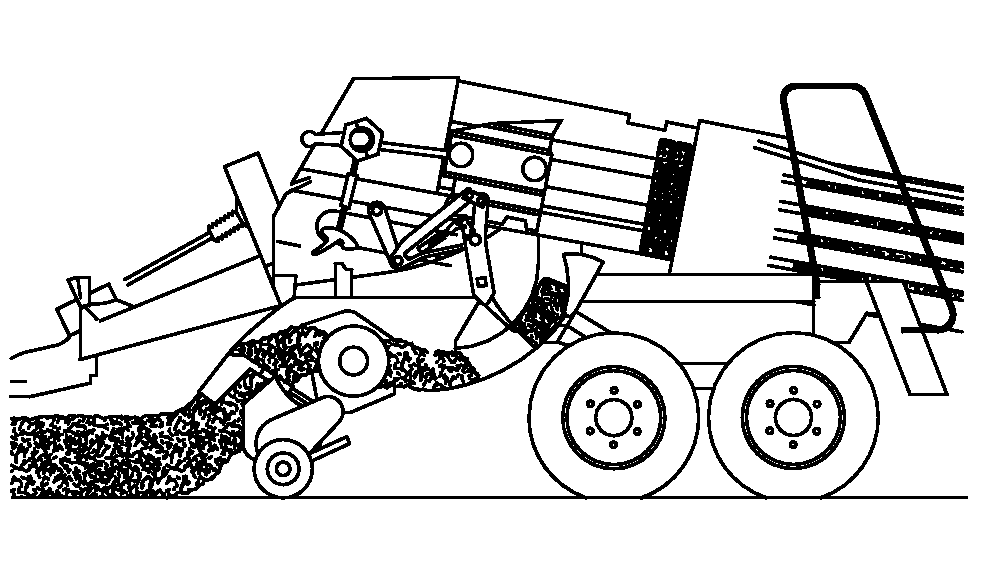
E76232-UN-11JUL14
When precompression chamber is clear of crop, it is ready to begin forming a new “flake” of crop for the bale forming chamber.
Operating in automatic mode (normal), measuring plates are fully extended into precompression chamber as “flake” is being built using a series of collection strokes.
Each feeder fork stroke collects crop sections and packs crop tight against bottom of plunger.
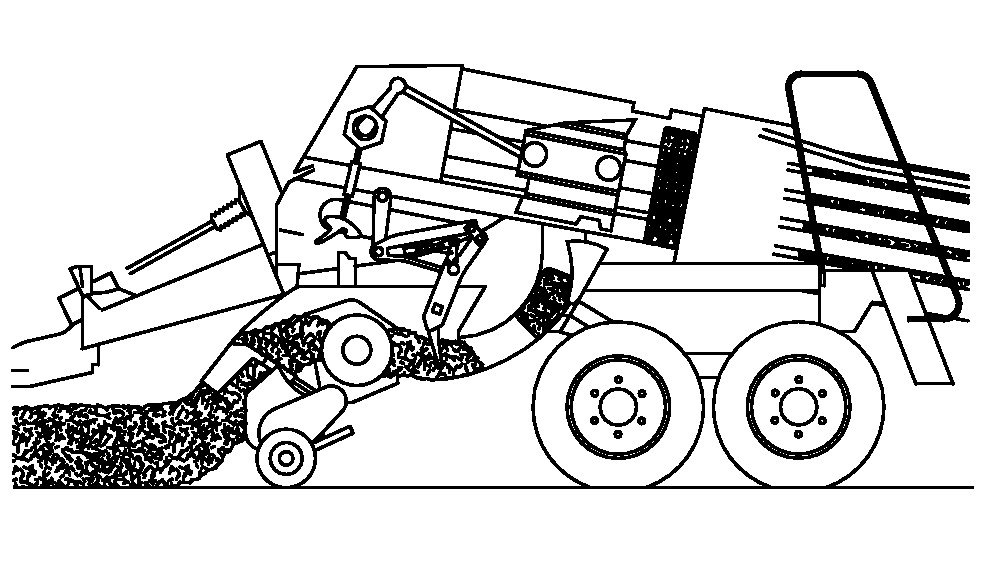
E76233-UN-11JUL14
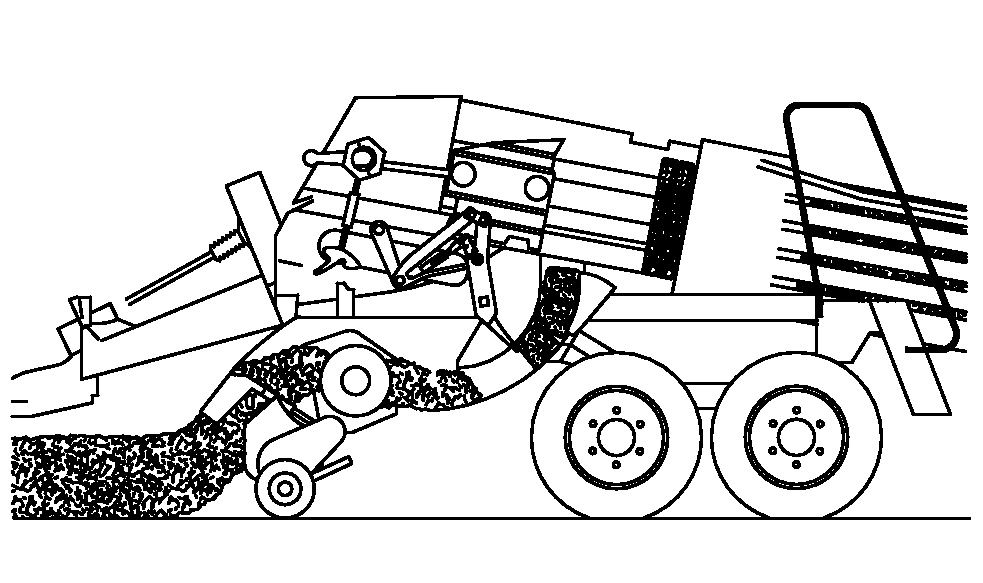
E76234-UN-11JUL14
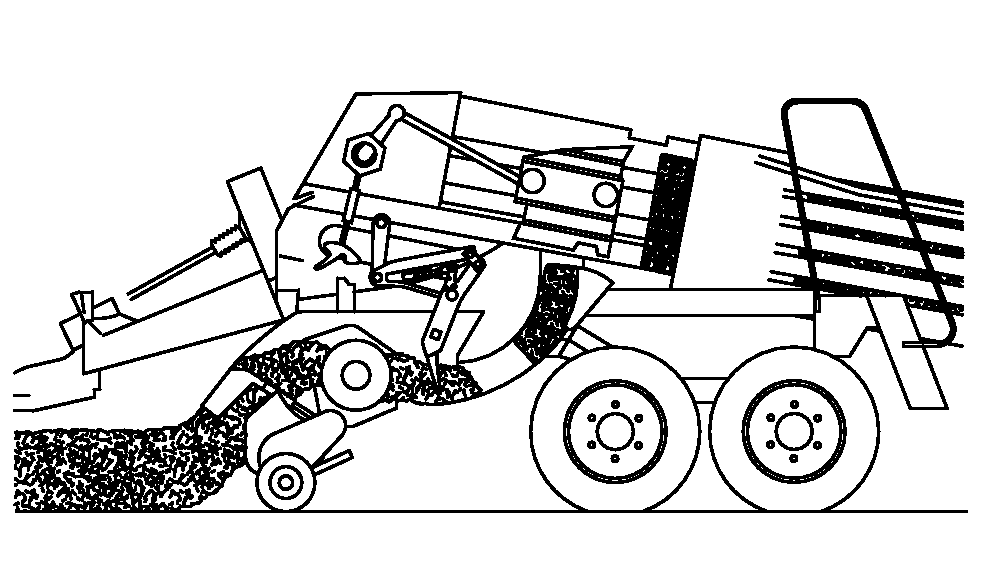
E76235-UN-11JUL14
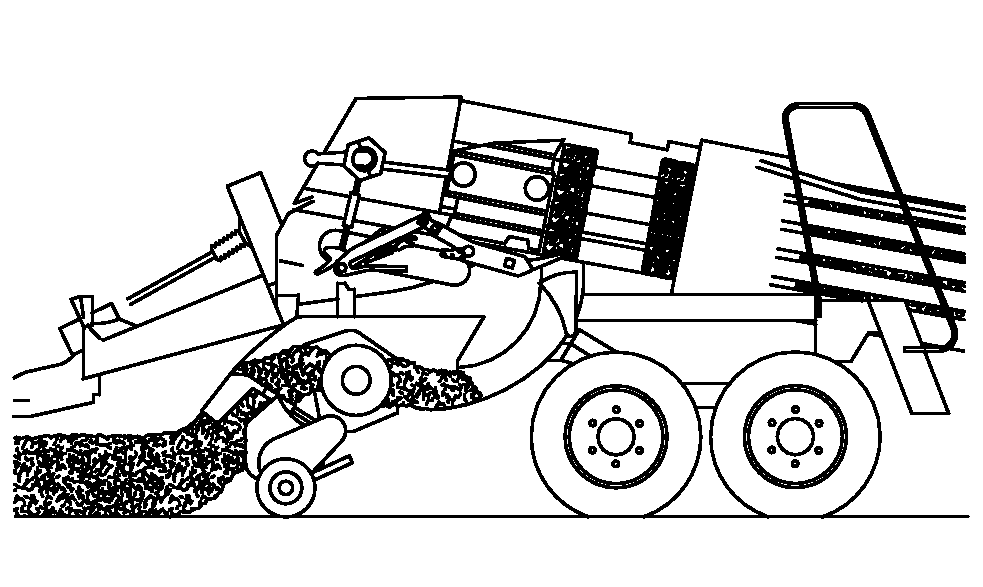
E76236-UN-11JUL14
Once sufficient density is reached in precompression chamber, measuring plates are pressed out of chamber.
Measuring plates trip feeder fork mechanism to execute a filling stroke as forks are fully extended and push crop “flake” into bale chamber.
When feeder forks return from filling stroke and precompression chamber is clean, measuring plates return to “home” position to begin building the next “flake”.
Once bale reaches a predetermined length, double tie knotters are activated and bale is complete.
1:1 Mode Baling:
In 1:1 Mode, feeder fork will take one collection stroke and a second collection with a fill stroke. Fill stroke will lift crop into bale forming chamber to be pressed to next bale. This process is repeated to build each bale to desired length.
In silage (wet crop) and corn stalks, the 1:1 Mode is recommended.
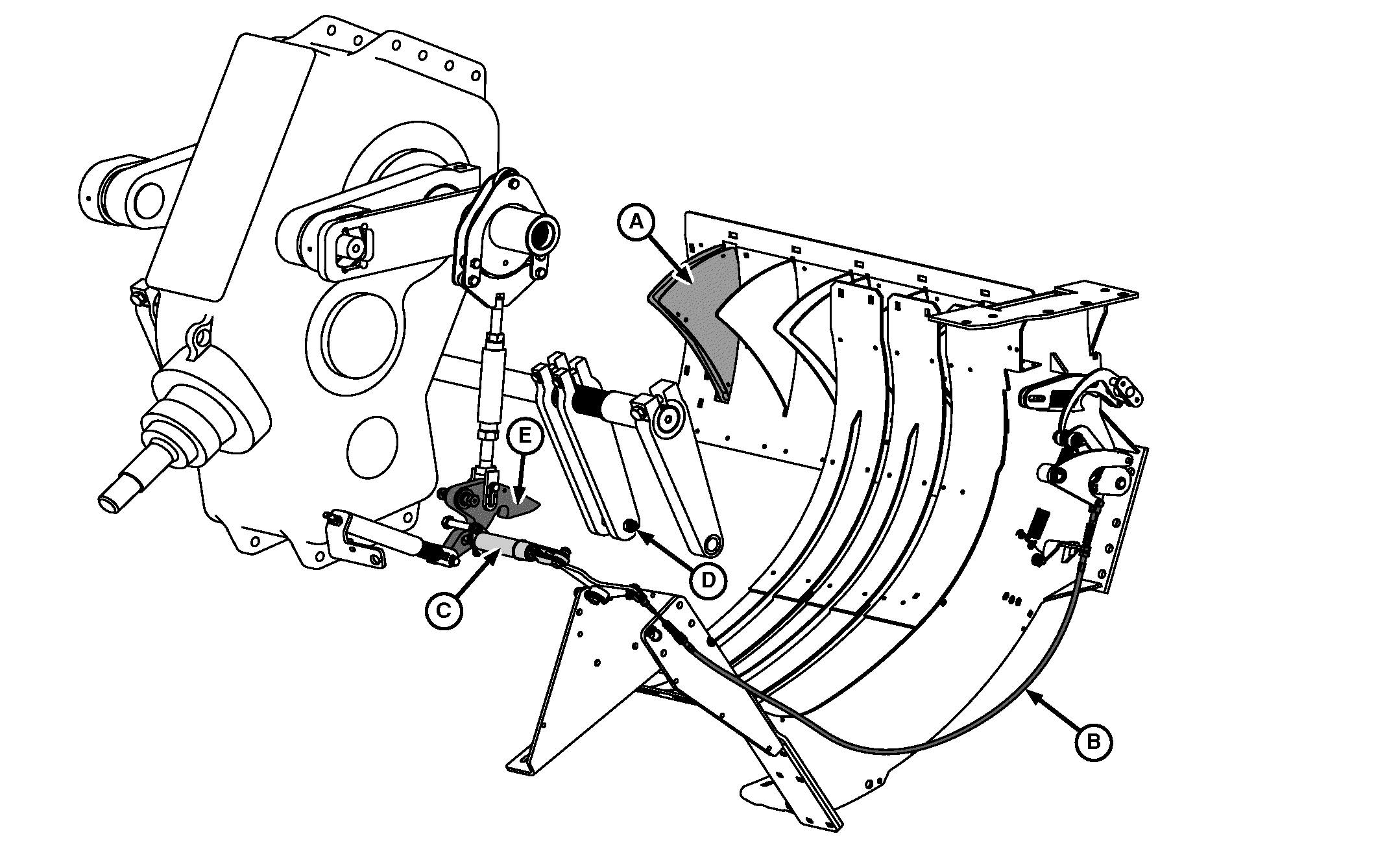
Measuring Plate Function
E73351-UN-07MAR14
A - Measuring Plates
B - Cable
C - Lock Pin
D - Pin
E - Hook
Measuring plates (A) are held in the precompression chamber by spring tension. When crop pushes measuring plates (A) back, cable (B) pulls on lock pin (C). This allows hook (E) to be lowered at the correct time and catch pin (D). With pin (D) captured the feeder fork will make a filling stroke instead of a gathering stroke.|
SF04007,00009EF-19-20151222 |