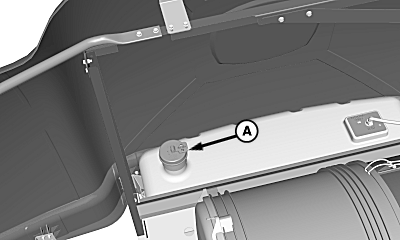
Cold Weather OperationFuel TankRemove fuel tank cap (A) and fill with winter grade fuel at the end of each day to prevent condensation.
|
|
OUO6075,00006B1 -19-02APR07-1/4 |
|
Fuel Tank Breather
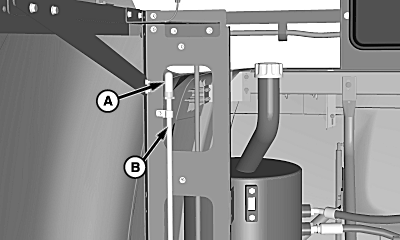
Visually inspect fuel tank breather (A) (located by hydraulic reservoir). Do not allow excessive amounts of chaff or debris to collect on top of breather. If breather is covered with debris, it will not allow fuel tank to breathe. Remove fuel tank breather from hose (B) and clean.
|
|
OUO6075,00006B1 -19-02APR07-2/4 |
|
Radiator
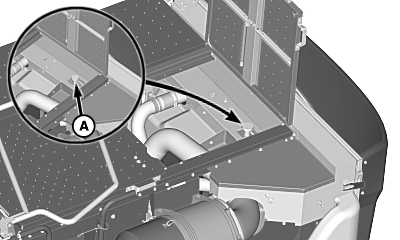
IMPORTANT: Do not try to drain cooling system to protect against freezing. Heater does not drain completely, so freeze damage might result. Machine is shipped from factory with permanent type 50/50 ethylene glycol antifreeze mix. Leave antifreeze in cooling system all year long. If coolant is lost or drained, it must be replaced with the correct coolant and conditioner, (see recommendations given in Fuels and Lubricants section). IMPORTANT: Air becomes trapped in Exhaust Gas Recirculation (EGR) cooler during the coolant fill operation. This trapped air will cause severe damage to cooler and turbo charger. Use proper filling and bleeding procedure shown in Service Engine section to avoid damage to these components. After adding antifreeze to radiator (A), turn heater ON and run engine until it reaches operating temperature. This mixes the solution and circulates it through the system. |
|
OUO6075,00006B1 -19-02APR07-3/4 |
|
Batteries
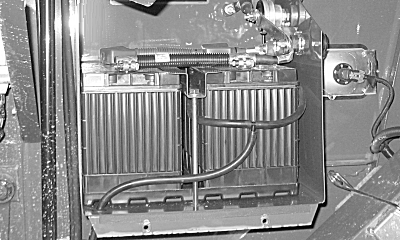
When temperature drops below freezing, keep batteries fully charged. Discharged batteries will freeze. In freezing weather, do not add water to batteries unless engine is to be run for 30 minutes or more or batteries are charged after water is added. Windshield Washer ReservoirFill windshield washer reservoir with automotive windshield washer solution. |
|
OUO6075,00006B1 -19-02APR07-4/4 |