Operate Differential Lock (Traction Assist)
 Avoid Injury! Driving at high speeds with the traction
assist engaged may result in loss of steering control. Do not engage
traction assist or turn with the traction assist engaged while operating
machine at high speeds or on slopes.
Avoid Injury! Driving at high speeds with the traction
assist engaged may result in loss of steering control. Do not engage
traction assist or turn with the traction assist engaged while operating
machine at high speeds or on slopes.
Avoid Damage! Using the traction assist function improperly can damage the transaxle:
- Reduce speed and allow drive wheels to rotate at same speed before engaging or disengaging traction assist.
- Disengage traction assist when driving on dry asphalt or concrete.
- Use traction assist only when necessary for improved ground engagement.
Turning radius is increased when the differential lock is engaged.
The differential lock is used to provide better traction when rear wheels start to slip. Engaging differential lock will lock right and left side rear axles together and cause both rear wheels to turn at equal speeds for maximum traction.
Engage Differential Lock
-
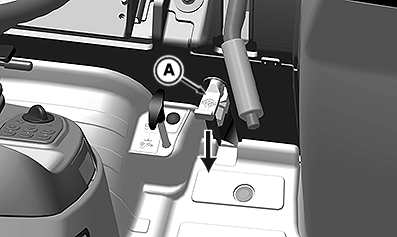
LV24992-UN-22APR16A - Differential Lock Pedal
Stop or slow machine movement. -
Differential lock will remain engaged as long as rear wheel slippage occurs. If tires slip and regain traction repeatedly, hold down pedal with foot so differential lock remains engaged. Remove foot from differential lock pedal once traction is regained.
Depress differential lock pedal (A) 20 - 25mm (3/4-1 in.) to operate differential lock.
Disengage Differential Lock
-
Remove foot from differential lock pedal.
-
The rear wheel slippage will keep the differential lock engaged. The lock will automatically disengage when the traction equalizes.
|
GS25068,0003DEF-19-20180205 |