Checking and Adding Coolant
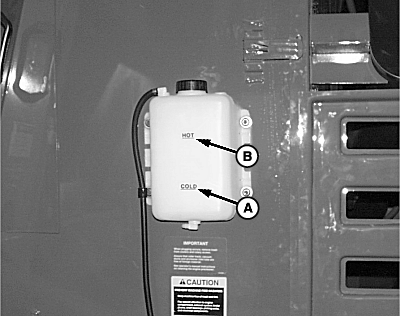
IMPORTANT: DO NOT use methoxyl propanol antifreeze in the cooling system. It may damage cylinder sleeves and seals. Stop-leak additives can plug radiator, causing overheating and engine damage. Do not use coolants that contain a stop-leak additive. To prevent damage from overheating engine, check overflow hose for kinks and coolant level in radiator through the radiator cap when system has cooled. NOTE: See DIESEL ENGINE COOLANT in Fuels, Lubricants and Coolants section for proper coolant specifications. 1. Check coolant in overflow bottle daily. Keep tank filled to level between the COLD (A) and HOT (B) marks. If overflow tank becomes completely empty, check coolant level in radiator. |
|
|||||
OUO6043,000149B -19-22MAR06-1/3 |
|
2.
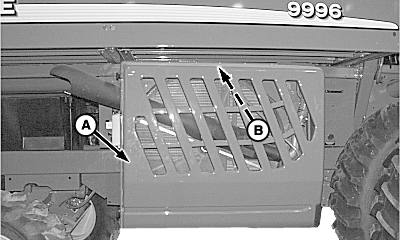
Open rotary screen door (A) to access radiator cap cover (B).
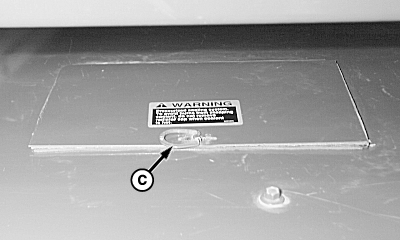
3. Rotate latch (C) and remove cover.
|
|
OUO6043,000149B -19-22MAR06-2/3 |
|
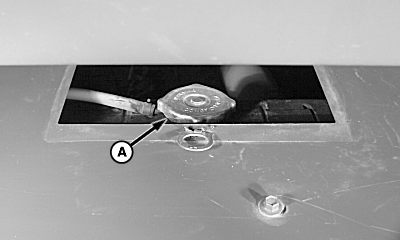
If radiator fill cap must be removed, do not remove when engine is hot. Shut engine off and wait until cap is cool enough to touch with bare hands. Slowly loosen cap to first stop to relieve pressure before removing completely. Never add coolant when engine is overheated. Wait for it to cool. NOTE: Keep radiator pressure cap (A) tight and gasket surface in good condition or loss of pressure and coolant will result. 4. Remove radiator pressure cap. Add coolant to radiator until coolant is level with top of radiator tank. Replace radiator pressure cap and fill overflow tank to HOT mark.
|
|
 CAUTION:
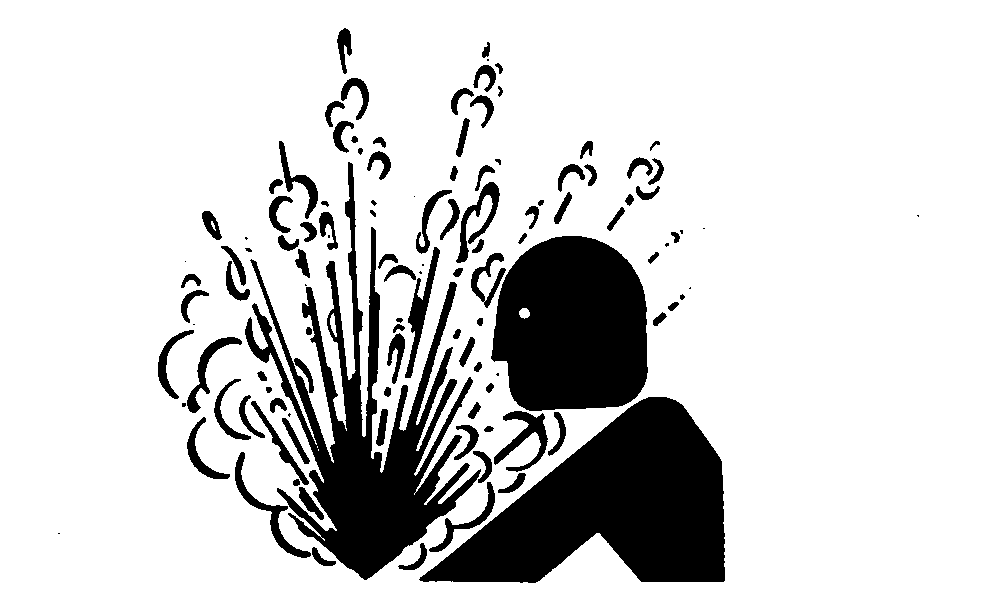
The explosive release of fluids from pressurized cooling system can cause serious burns.
CAUTION:
The explosive release of fluids from pressurized cooling system can cause serious burns.
OUO6043,000149B -19-22MAR06-3/3 |