Break-In ServiceThe engine is ready for normal operation. However, extra care during the first 100 hours will result in more satisfactory long-term engine performance and life. DO NOT exceed 100 hours of operation with break-in oil. 1. This engine is factory-filled with John Deere Engine Break-in Oil. Operate the engine at heavy loads with minimal idling during the break-in period.2. If the engine has significant operating time at idle, constant speeds, and/or light load usage, or make-up oil is required in the first 100 hour period, a longer break-in period may be required. In these situations, an additional 100 hour break-in period is recommended using a new change of John Deere Engine Break-In Oil and new John Deere oil filter. IMPORTANT: Do not add makeup oil until the oil level is BELOW the add mark on dipstick. If make-up oil is required during the break-in period, an additional 100 hour break-in period is required. John Deere Engine Break-In Oil (TY22041) should be used to make up any oil consumed during the break-in period. IMPORTANT: Do not use PLUS-50 oil or engine oils meeting any of the following during the first 250 hours of operation of a new or rebuilt engine:
These oils will not allow the engine to break-in properly. |
|
GB52027,0000806 -19-27NOV08-1/3 |
|
3.
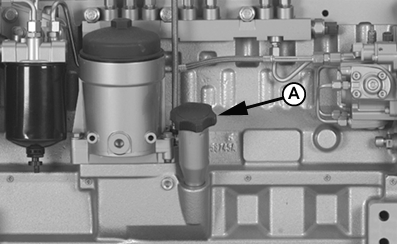
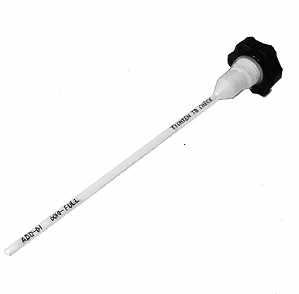
Check oil by unscrewing and pulling out oil fill cap/dipstick (A). Oil fill cap/dipstick may be located on left or right side of engine, depending on application. Check oil more frequently during engine break-in period. If oil must be added during this period, John Deere Engine Break-In Oil is preferred. See ENGINE BREAK-IN OIL, in Fuels, Lubricants, and Coolant Section for other oils allowed.
IMPORTANT: DO NOT fill above the top of the crosshatch pattern or the FULL mark, whichever is present. Oil levels anywhere within crosshatch are considered in the acceptable operating range. 4. During the first 20 hours, avoid prolonged periods of engine idling or sustained maximum load operation. 5. If engine will idle longer than 5 minutes, stop engine. |
|
GB52027,0000806 -19-27NOV08-2/3 |
|
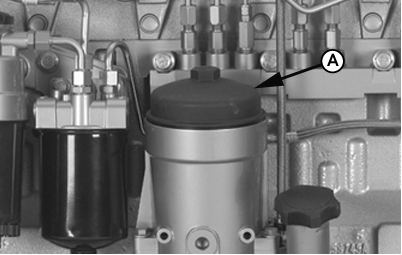
6. After the first 100 hours maximum, change engine oil and replace engine oil filter (A). (Top-load oil filter illustrated. )(See CHANGING ENGINE OIL AND REPLACING FILTER in Lubrication and Maintenance/500 Hour Section. ) Fill crankcase with seasonal viscosity grade oil. (See DIESEL ENGINE OIL, in Fuels, Lubricants, and Coolant Section. ) NOTE: Some increase in oil consumption may be expected when low viscosity oils are used. Check oil levels more frequently. If temperature is below 0°C (32°F), it may be necessary to use cold weather starting aids (See COLD WEATHER OPERATION, later in this section). If air temperature is below 0° C (32° F), use an engine block heater. 7. Check coolant temperature closely during engine operation. Normal temperature range at full load rated speed is 82-94° C (180-202° F). If coolant temperature rises above 111° C (231° F), the engine will reduce power automatically. Unless temperature drops quickly, stop the engine and determine the cause before resuming operation. Check oil pressure for pressure within specification. Specification
8. Check belt for proper alignment and seating in pulley grooves. |
|
GB52027,0000806 -19-27NOV08-3/3 |