Examples Using Load-Sensing Hydraulic System—Power-Beyond
RXA0138783-UN-28JAN14
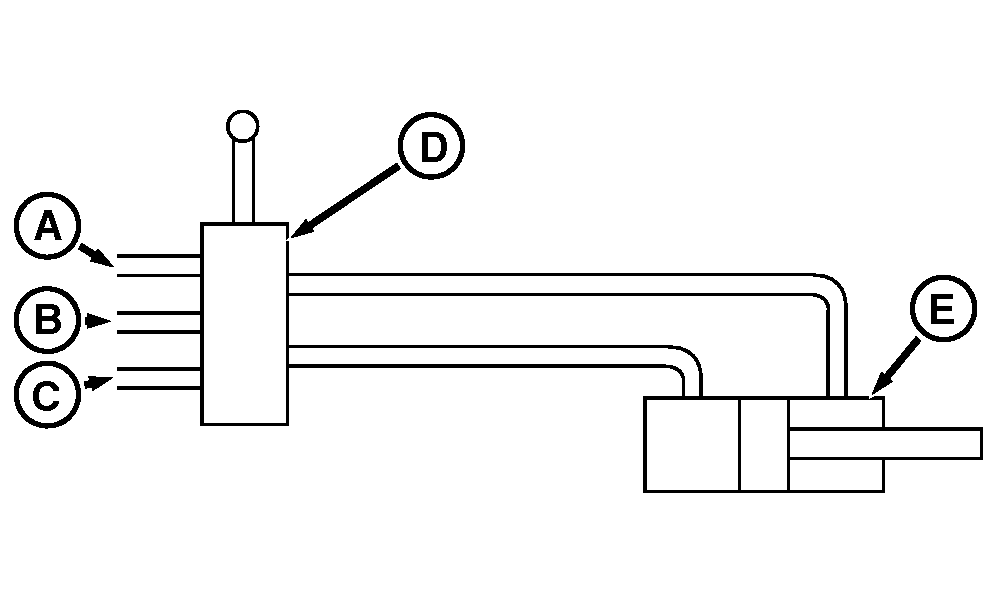
Example 1 is the prefered practice.
RXA0138782-UN-28JAN14
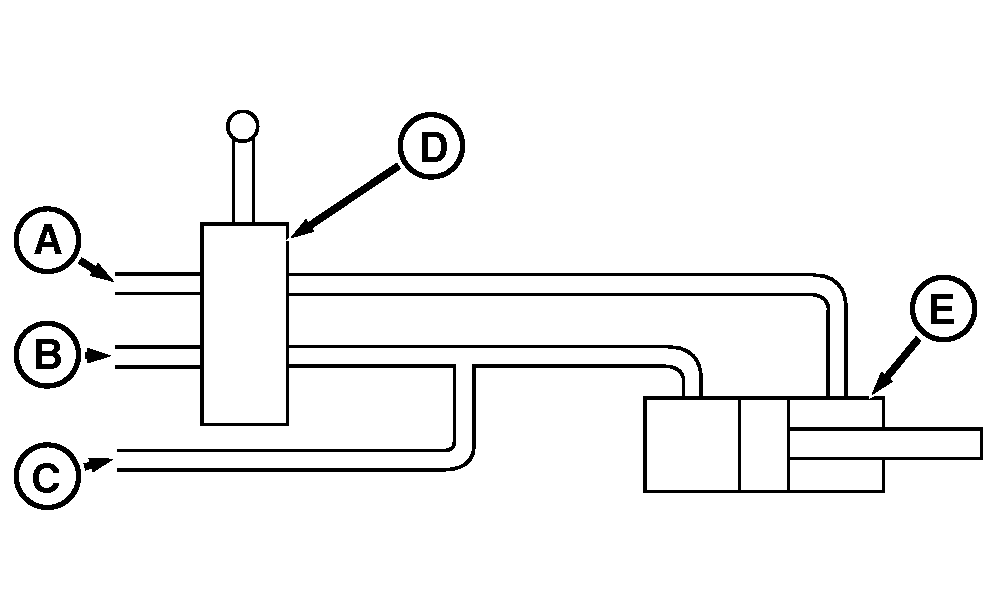
Circuit allows cylinder "leak-down" through load-sense line (C). If leakage is not acceptable for operation, use Example 3.
RXA0138269-UN-17JAN14
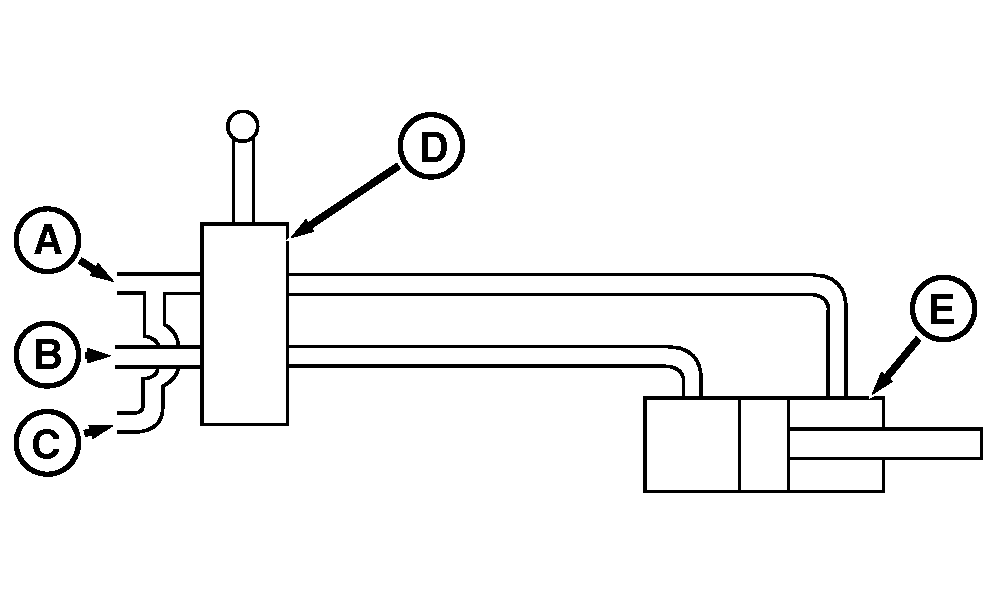
System will maintain a maximum pressure of 20000 kPa (200 bar) (2900 psi) as long as power-beyond hoses are connected.
An example is a folding implement, where pressure is needed to extend or retract cylinders.
RXA0138270-UN-17JAN14
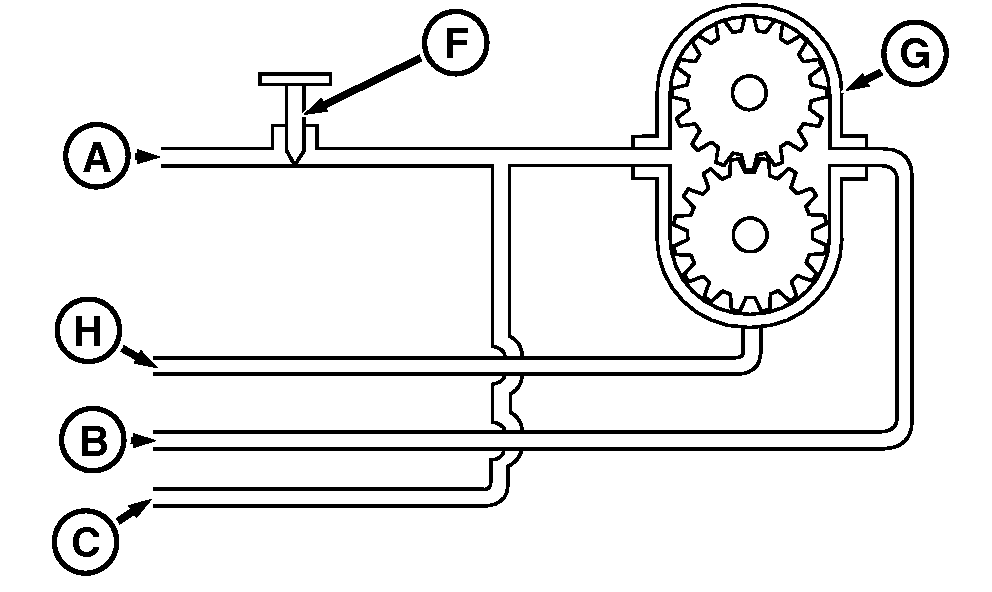
A - Pressure Line
B - Return Line
C - Load-Sense Line
D - Control Valve
E - Cylinder
F - Pressure-Compensated Flow Valve
G - Hydraulic Motor
H - Motor Case Drain (Sump Line)
Example 4—Pressure-compensated flow control valve is used to regulate hydraulic motor speed. Connect load-sense line to pressure line after control valve.Motor speed can fluctuate when other functions cause system pressure change. Minimize fluctuations by installing a pressure-compensated flow control valve.
For Ag high flow, it is recommended that the hydraulic motor be connected to the top SCVs (85cc high flow pump).
High flow scraper hydraulics is not recommended for motor application.
|
RD47322,00002D5-19-20170710 |