Track Wear
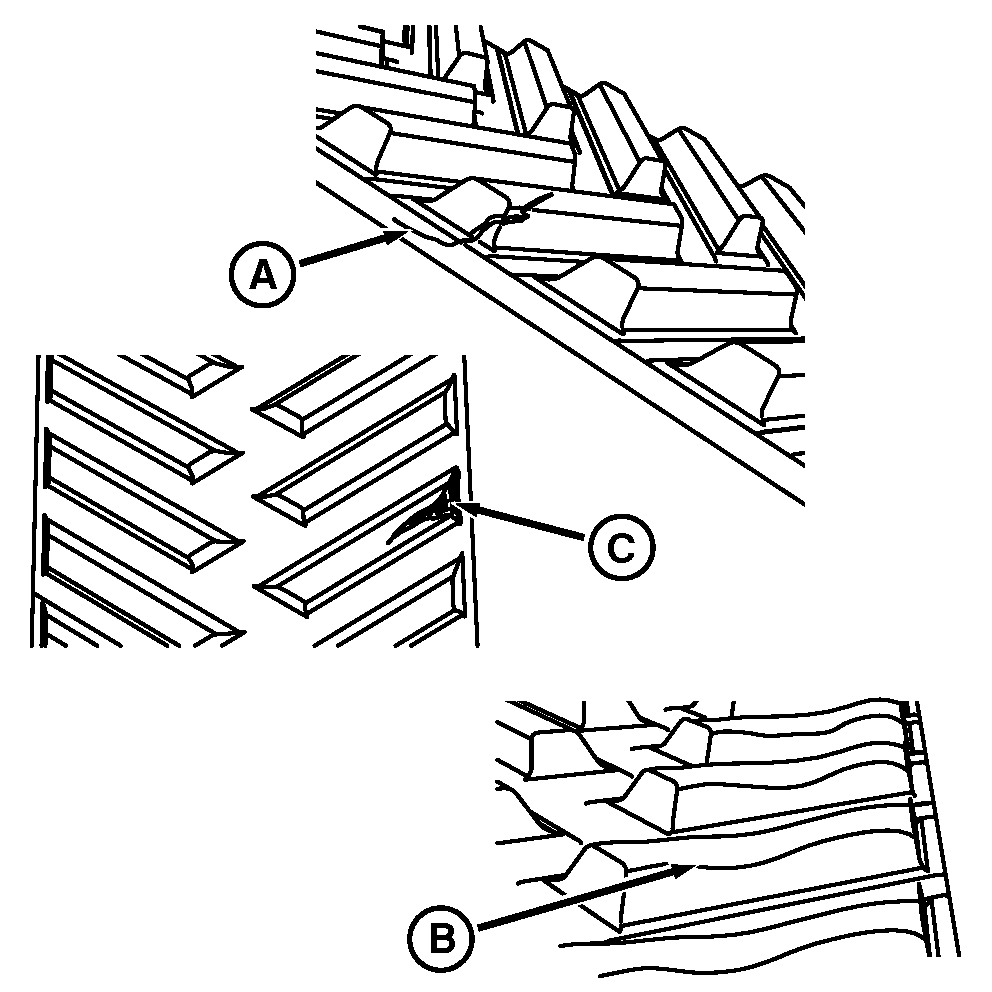
 Trash build-up can cause fire from increased friction.
Remove trash from trash build-up points between track and tractor
frame. Remove Trash Buildup.
Trash build-up can cause fire from increased friction.
Remove trash from trash build-up points between track and tractor
frame. Remove Trash Buildup.
Avoid operating tractor in grease, oil, or other petroleum chemicals. Avoid spilling these materials on track and wheels during service.
Avoid damage to hydraulic components. Use care around tension cylinder connections and hydraulic lines.
Remove any embedded sharp objects from inside or outside of tracks.
RXA0147257-UN-17JUN15
Check inside of track for any exposed cables. If any loose ends are seen, cut off cable flush with track surface. Then see your John Deere dealer.
Check track for torn or missing treads. If tread has been damaged and part of tread is loose, trim loose portion off to avoid further damage to track carcass.
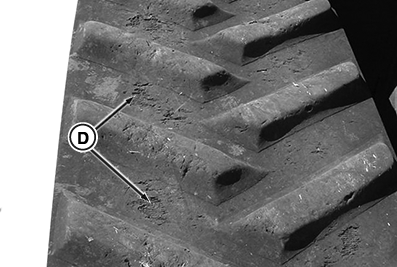
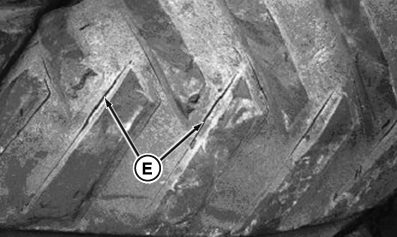
Check track inner guide or drive lugs for condition. Note if wear patterns have changed since the last inspection and if track alignment may need to be checked. If any guide or drive lugs are loose or missing, see your John Deere dealer.
RXA0158650-UN-05APR17
RXA0158651-UN-05APR17
|
TS36762,000034E-19-20171003 |