Using Draft Control
The rockshaft is equipped with variable draft control system.
Use draft load sensing when:
-
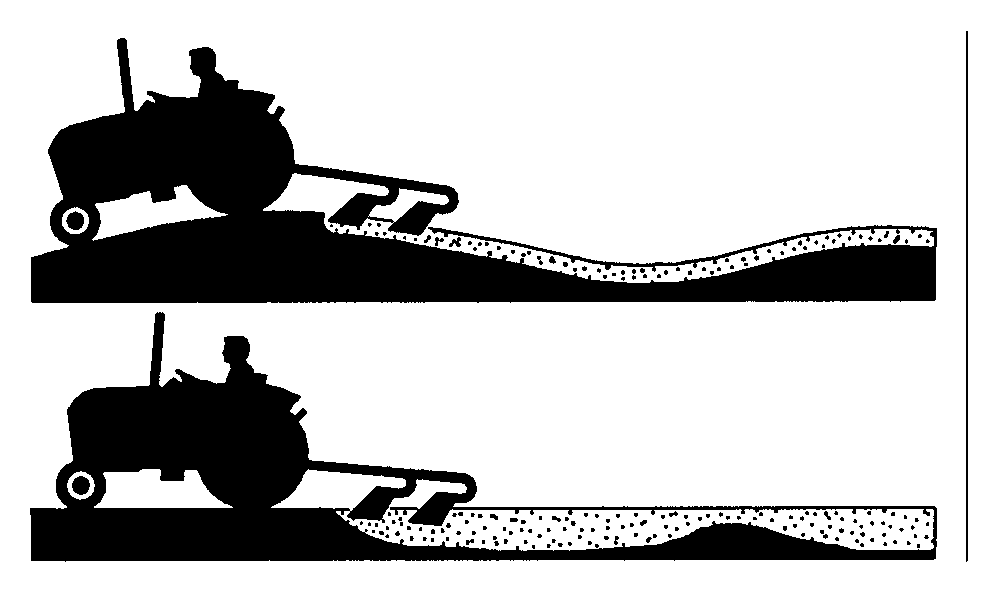
Operating with a fully mounted implement in hill and swale terrain. The implement will raise and lower to follow the ground contours while maintaining a nearly constant depth.
-
Operating in varying soil conditions. The implement is raised slightly to get through tough spots so you do not have to shift to a lower gear.
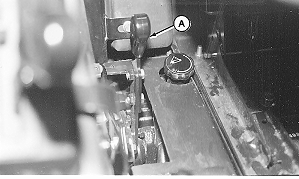
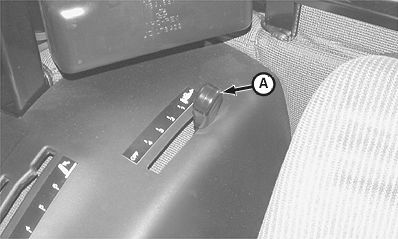
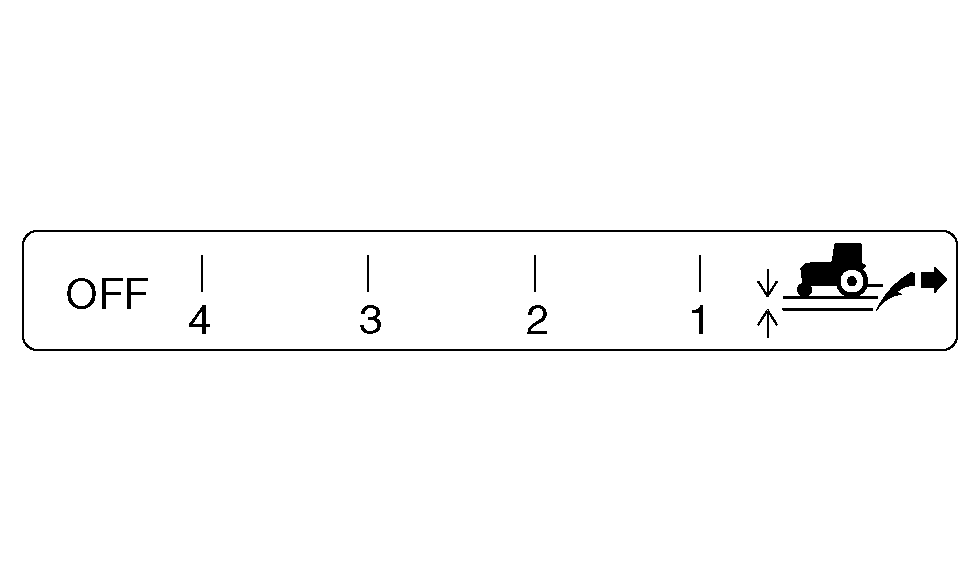
Rockshaft draft sensing control lever (A) controls amount of load required before hitch responds. With lever placed fully forward to the OFF position, there is no draft sensing. Moving the lever rearward reduces the amount of draft load required to override the position setting set by the rockshaft position control lever and raise the rockshaft.
Draft sensitivity ranges can be changed by repositioning the center link. (See Positioning Center Link in this section for additional information.)
For draft load sensing operation:
-
Initially place position control lever in its fully rearward position and the draft sensing control lever (A) in the fully forward (least draft) position.
-
With tractor moving, push position control lever forward to set implement operating depth. Set position control lever stop so control lever can be brought back to the same position. The operating depth set-up will prevent the rockshaft from lowering all the way when the tractor begins to slip. Then pull draft sensing control lever (A) rearward until desired draft sensing sensitivity is obtained.
-
The position control lever can also be raised slightly to override the draft control setting to help get through slippery spots without getting stuck.
-
The position control lever can be moved fully rearward to raise the hitch at the end of the field.
A-Rockshaft Draft Sensing Control Lever
|