Normal Engine Operation
RG13359-UN-06FEB04
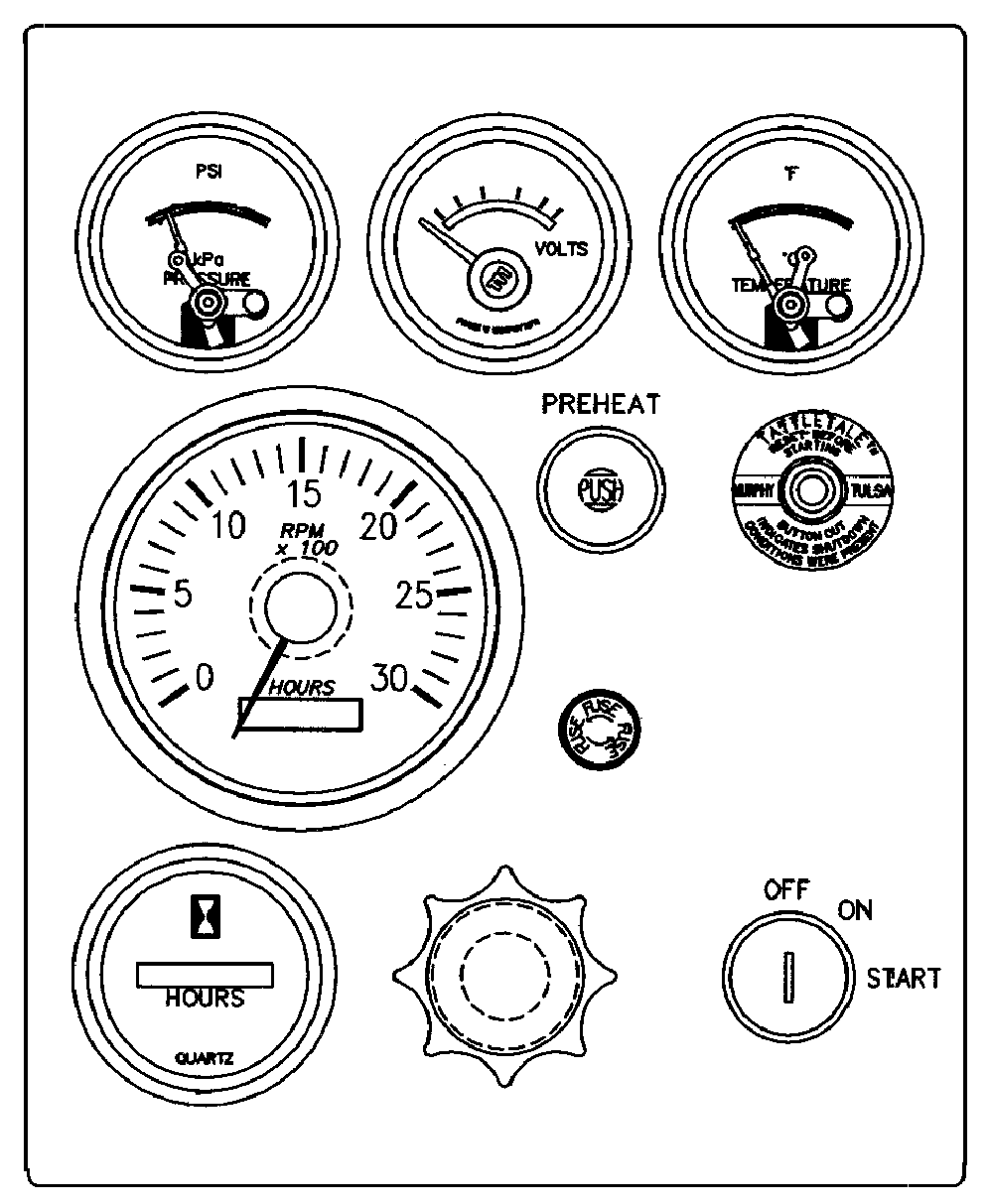
Instrument Panel
Before starting, fill engine with oil and coolant meeting specifications. (See DIESEL ENGINE BREAK-IN OIL and DIESEL ENGINE COOLANT SPECIFICATIONS in Fuels, Lubricants, and Coolant section.)- Observe engine coolant temperature and engine oil pressure. Temperatures and pressures will vary between engines and with changing operating conditions, temperatures, and loads.
- Refer to oil pressure and coolant temperature specifications in GENERAL OEM ENGINE SPECIFICATIONS in Specifications section.
- If coolant temperature rises above maximum coolant temperature (see GENERAL OEM ENGINE SPECIFICATIONS), reduce load on engine. Unless temperature drops quickly, stop engine and determine cause before resuming operation.
- Operate the engine under a lighter load and at slower than normal speed for first 15 minutes after start-up. DO NOT run engine at slow idle.
-
Stop engine immediately if there are any signs of part failure.
Symptoms that may be early signs of engine problems are:
- Sudden drop in oil pressure
- Abnormal coolant temperatures
- Unusual noise or vibration
- Sudden loss of power
- Excessive black exhaust
- Excessive fuel consumption
- Excessive oil consumption
- Fluid leaks
|
OUOD006,00000DB-19-20070824 |