Daily Prestarting Checks
RG8009A-UN-16JUN00
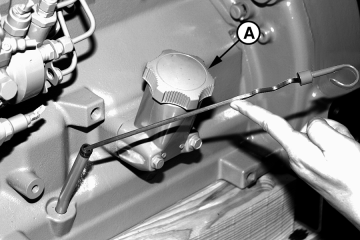
Left Side Oil Filler Cap
RG8054A-UN-16JUN00
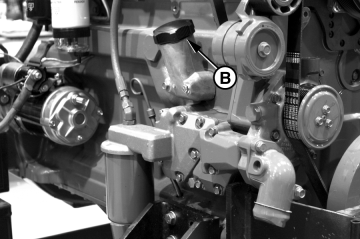
Right Side Oil Filler Cap
RG8025B-UN-16JUN00
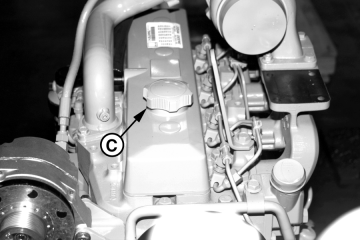
Rocker Arm Cover Filler Cap
RG8028B-UN-15JAN99
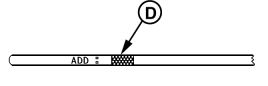
Crosshatch on Dipstick
A - Left Side Oil Filler Cap
B - Right Side Oil Filler Cap
C - Cover Oil Filler Cap
D - Crosshatch On Dipstick
Do the following BEFORE STARTING THE ENGINE for the first time each day:
IMPORTANT: DO NOT add makeup oil until the oil level is BELOW the crosshatch marks on the dipstick.
-
Check engine oil level on dipstick. Add as required, using seasonal viscosity grade oil. (See DIESEL ENGINE OIL in Fuels, Lubricants, and Coolant Section for oil specifications.)
Depending on application, oil may be added at left (A) or right (B) side oil filler cap and rocker arm cover filler cap (C) locations.
IMPORTANT: DO NOT fill above the top mark on the dipstick. Oil levels anywhere within crosshatch (D) are considered in the acceptable operating range.
-
 CAUTION: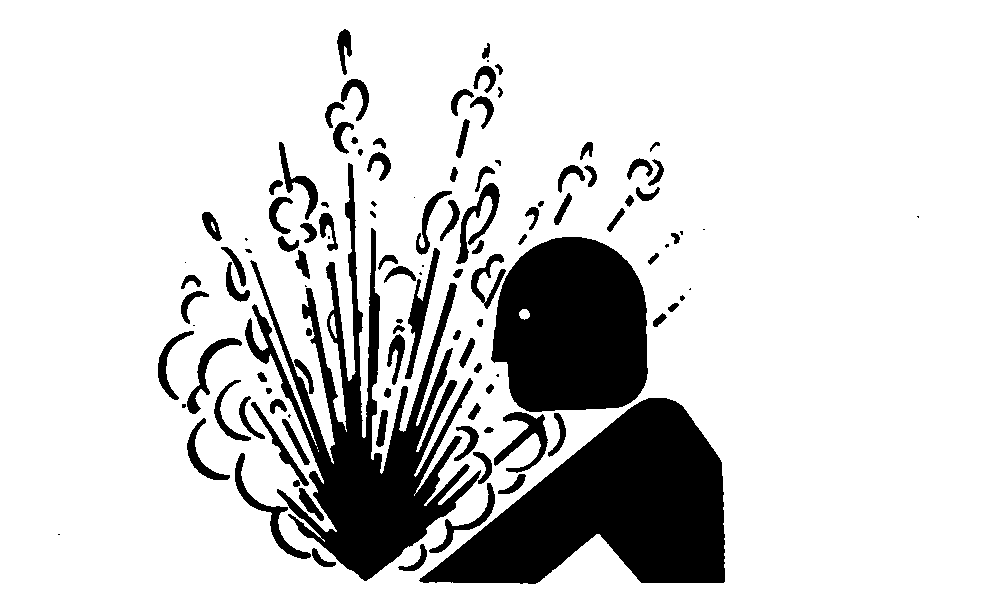
TS281-UN-15APR13High-Pressure Fluids
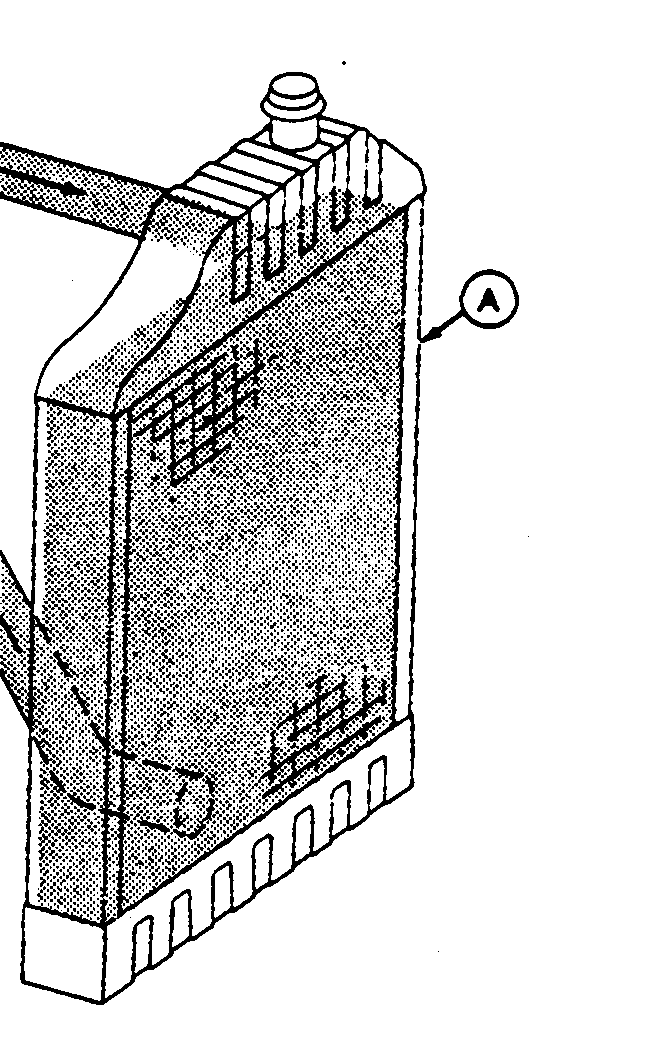
RG4675-UN-14DEC88Fill Radiator
A - Fill Radiator
Explosive release of fluids from pressurized cooling system can cause serious burns.Only remove filler cap when engine is cold or when cool enough to touch with bare hands. Slowly loosen cap to first stop to relieve pressure before removing completely.
Check the coolant level when engine is cold. Coolant level should be at bottom of filler neck. Fill radiator (A) with proper coolant solution if level is low. (See ADDING COOLANT in Service As Required Section.) Check overall cooling system for leaks.
NOTE: Refer to your vehicle's operator's manual for recommendations for non-John Deere supplied accessories.
-
IMPORTANT: When using BIODIESEL blends, monitor water quantity more closely in the fuel filter element. Water in filter separator may need to be drained more frequently.
NOTE: Engine may be equipped with a water sensor at the fuel filter. In this case, an indicator light will signal the operator that water should be drained from the filter bowl.
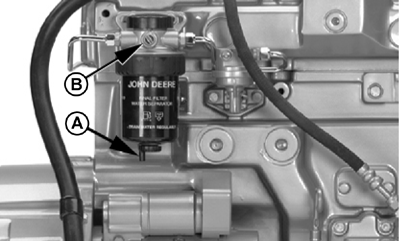
RG15460-UN-28AUG07Drain Final Fuel Filter
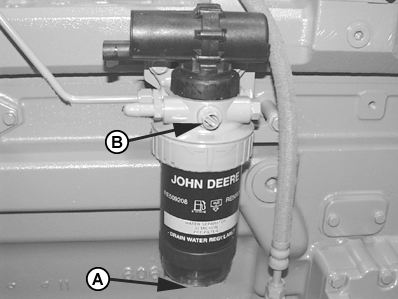
RG11955-UN-05DEC01Drain Primary Fuel Filter (If Equipped)
A - Drain Plug
B - Air Bleed Plug
Check the fuel filters for water or debris. If filter is fitted with a see-through bowl, drain as needed based on a daily visual inspection.IMPORTANT: Drain water into a suitable container and dispose of properly.
-
Loosen drain plugs (A) at bottom of fuel filters or bowls, if equipped, two or three turns.
-
Loosen air bleed plug (B) two full turns on fuel filter mounting and drain water from bottom until fuel starts to drain out.
-
When fuel starts to drain out, tighten drain plugs securely.
After draining water from the fuel filters, the filters must be primed by bleeding all air from the fuel system. See BLEEDING FUEL SYSTEM in Service As Required Section, later in this manual
-
-
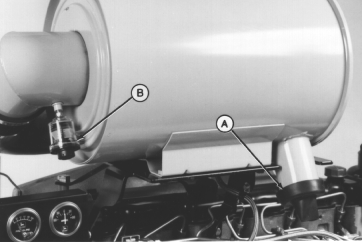
RG7332A-UN-22JAN99Dust Unloader Valve and Indicator Gauge
A - Dust Unloader Valve
B - Air Restriction Indicator
If the air cleaner has an automatic dust unloader valve (A), squeeze the unloader valve on air cleaner assembly to clear away any dust buildup.If equipped with air intake restriction indicator gauge (B), check gauge to determine if air cleaner needs to be serviced.
IMPORTANT: Maximum air intake restriction is 6.25 kPa (0.06 bar) (1.0 psi) (25 in. H2O). A clogged air cleaner element will cause excessive intake restriction and a reduced air supply to the engine.
-
Make a thorough inspection of the engine compartment. Look for oil or coolant leaks, worn fan and accessory drive belts, loose connections and trash build-up. Remove trash buildup and have repairs made as needed if leaks are found.
NOTE: Wipe all fittings, caps, and plugs before performing any maintenance to reduce the chance of system contamination.
Inspect:
- Radiator for leaks and trash build-up.
- Air intake system hoses and connections for cracks and loose clamps.
- Fan, alternator, and accessory drive belts for cracks, breaks or other damage.
- Coolant pump for coolant leaks.
NOTE: It is normal for a small amount of leakage to occur as the engine cools down and parts contract. Excessive coolant leakage may indicate the need to replace the coolant pump seal. Contact your engine distributor or servicing dealer for repairs.
|
OUOD006,00000E5-19-20070828 |