Pressure Testing Cooling System
RG6557-UN-20JAN93
RG9850-UN-06JAN99
 CAUTION: Explosive release of fluids from pressurized cooling
system can cause serious burns.
CAUTION: Explosive release of fluids from pressurized cooling
system can cause serious burns.
Shut off engine. Only remove filler cap when cool enough to touch with bare hands. Slowly loosen cap to first stop to relieve pressure before removing completely.
Test Coolant Filler Cap
-
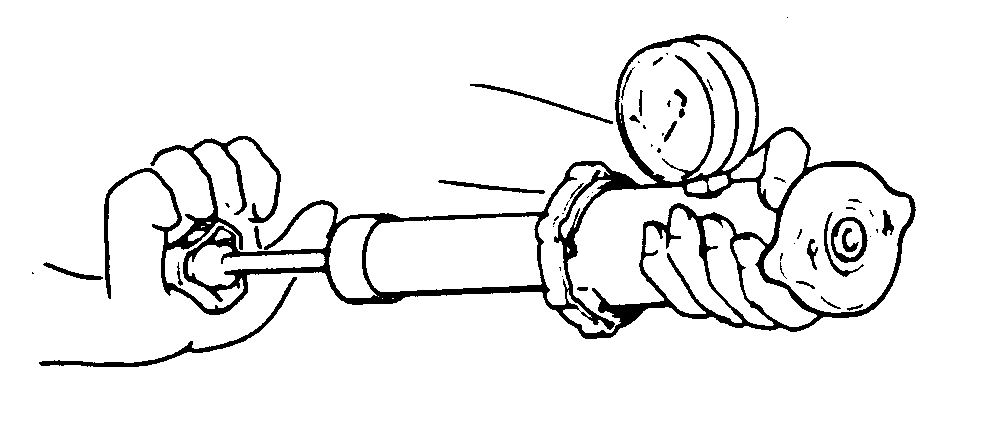
Remove coolant filler cap and attach to an appropriate tester as shown.
-
Pressurize cap to specifications. Gauge should hold pressure for 10 seconds within the normal range if cap is acceptable.
If gauge does not hold pressure, replace pressure cap.
Item Measurement Specification Radiator Cap (Except 6068SFM75 and 6068AFM75) Pressure 70kPa (0.7 bar) (10 psi) Radiator Cap (6068SFM75 and 6068AFM75) Pressure 110kPa (1.1 bar) (16 psi) -
Remove the cap from gauge, turn it 180°, and retest cap. This will verify that the first measurement was accurate.
Test Cooling System
NOTE: Engine should be warmed up to test overall cooling system.
-
Allow engine to cool, then carefully remove coolant filler cap.
-
Fill tank with coolant to the normal operating level.
IMPORTANT: DO NOT apply excessive pressure to cooling system, doing so may damage coolant tank and hoses.
-
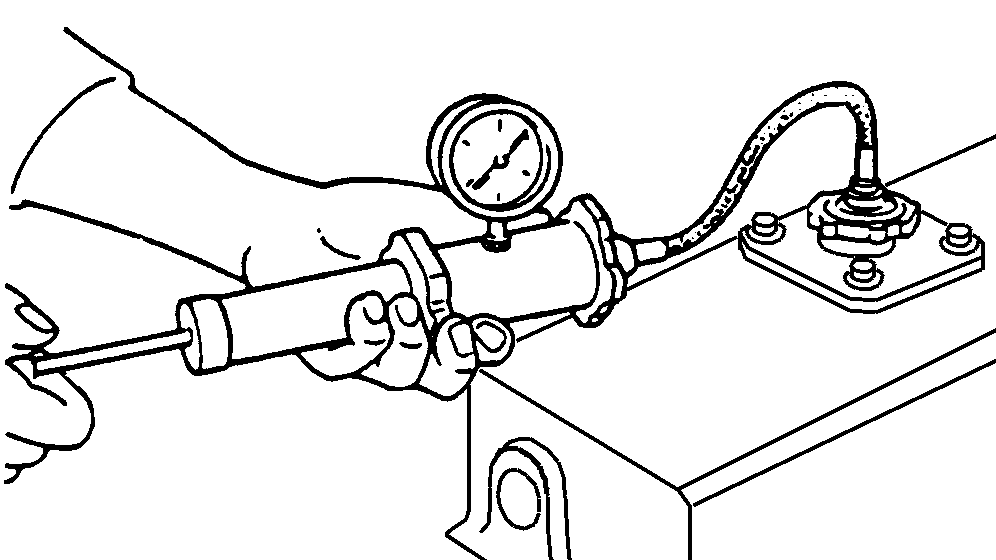
Connect gauge and adapter to filler neck. Pressurize cooling system to specifications.
Item Measurement Specification Cooling System (Except 6068SFM75 and 6068AFM75) Pressure 70kPa (0.7 bar) (10 psi) Cooling System (6068SFM75 and 6068AFM75) Pressure 110kPa (1.1 bar) (16 psi) -
With pressure applied, check all cooling system hose connections, coolant tank, and overall engine for leaks.
If leakage is detected, correct as necessary and pressure test system again.
If no leakage is detected, but the gauge indicated a drop in pressure, coolant may be leaking internally within the system or at the block-to-head gasket. Have your servicing dealer or distributor correct this problem immediately.
|
OUOD006,0000084-19-20100121 |