Stopping the Engine
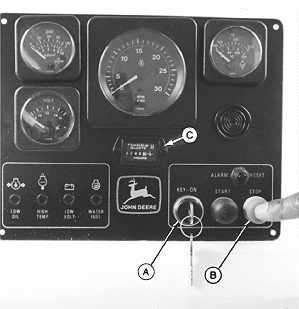
RG6003-UN-27JAN92
Mechanically Controlled Engines
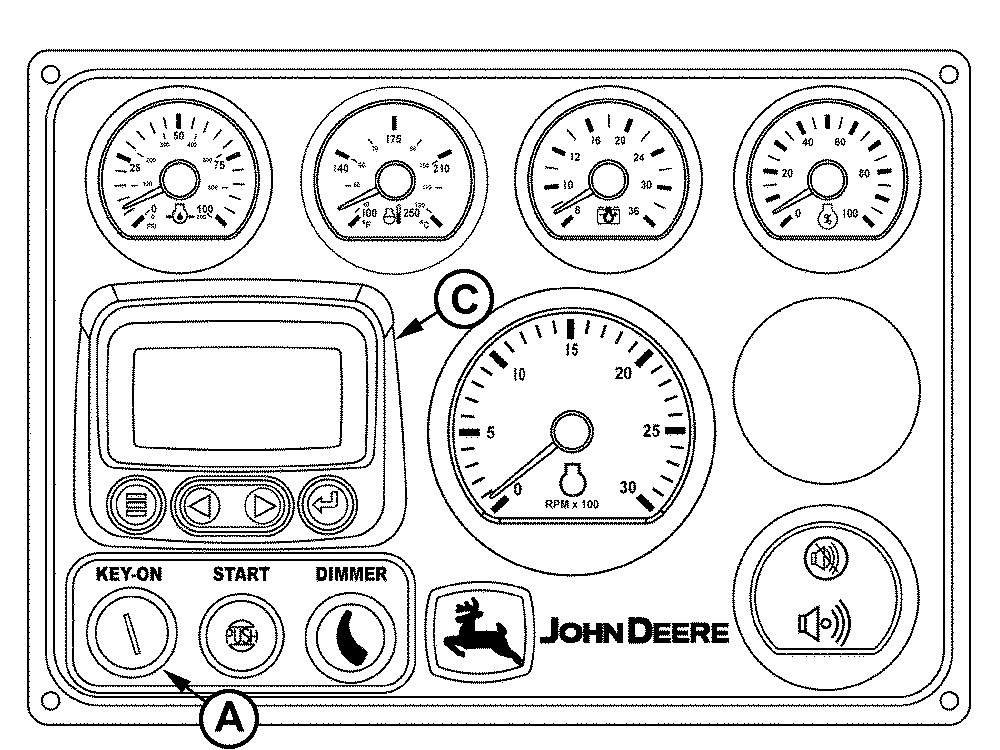
RG13290-UN-06NOV03
Electronically Controlled Engines (Option A)
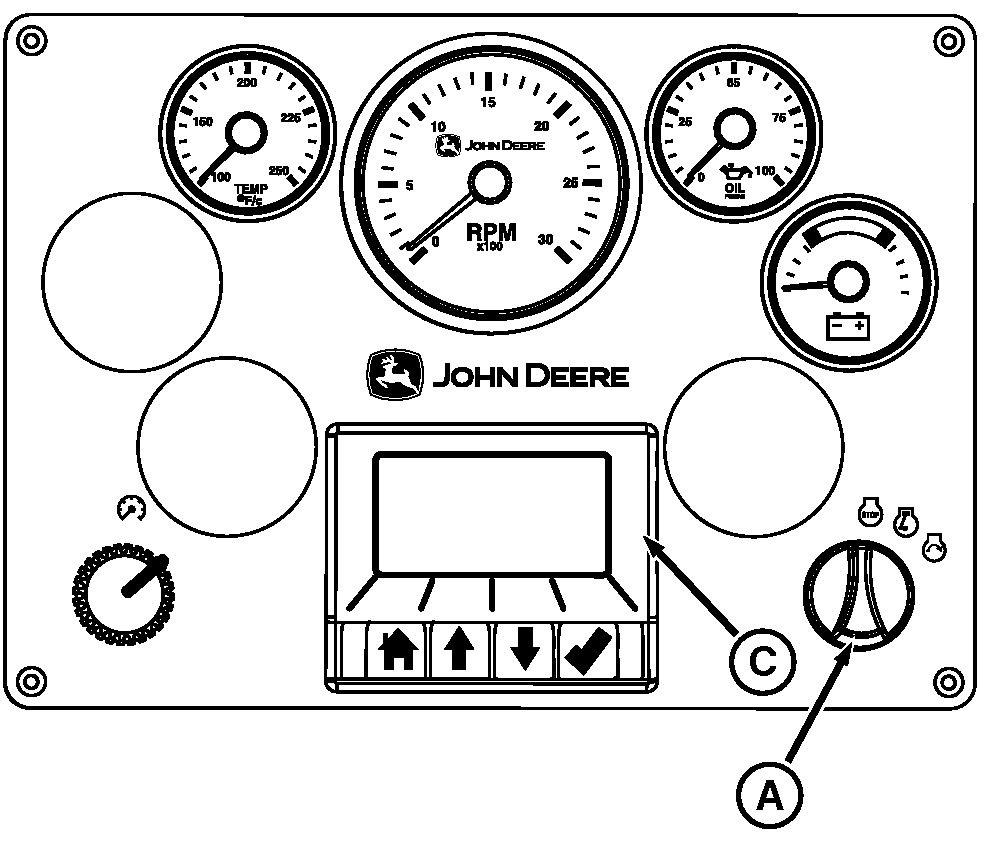
RG29318-UN-23FEB17
Electronically Controlled Engines (Option B)
A - Key Switch
B - Stop Button - Mechanically Controlled Engines
C - Diagnostic Gauge/Hour Meter
-
IMPORTANT: Before stopping an engine that has been operating at working load, idle engine at least 5 minutes at 1000–1200 rpm to cool hot engine parts.
Engines in generator set applications where the engine controller (ECU) is locked at a specified speed and no slow idle function is available, run engine for at least 5 minutes at fast idle and no load.
Remove load from engine or shift marine gear to “NEUTRAL” and run engine for at least 5 minutes at 1000–1200 rpm to allow coolant and oil to carry heat away from the combustion chamber, turbocharger, pistons, and bearings.
-
For Mechanically Controlled Engines - Firmly depress the “STOP” button (B) until engine stops. Turn key switch (A) to “OFF” position and remove key from ignition.
By completely stopping the engine before turning the key switch to “OFF”, tests the alarm and keeps the tachometer working until shutdown.
For Electronically Controlled Engines - Turn key switch (A) to “OFF” position and remove key from ignition.
-
If vessel will not be used for several days, close fuel valves and sea cock.
-
Turn main electrical power switch to “OFF”, if equipped.
-
Fill the fuel tank to minimize possible water condensation problems. Filling tanks at end of day drives out moisture-laden air.
-
For Heat Exchanger Engines: If the engine will be subjected to temperatures at or below 0° C (32° F), open the sea water pump end cover to drain the sea water from the system to prevent freezing. The sea water pump will require priming before starting the engine.
-
Observe the hour meter reading on diagnostic gauge/hour meter (C) to determine if periodic maintenance is necessary. Make appropriate entries in maintenance logs. (See LUBRICATION AND MAINTENANCE RECORDS Section.)
-
Perform required periodic maintenance on all other equipment, as recommended by the equipment manufacturers.
|
OURGP11,00000C3-19-20170310 |