Bleeding Fuel System
 CAUTION:
TS1343-UN-18MAR92
High-Pressure Fuel Lines
X9811-UN-23AUG88
High Pressure Fluids
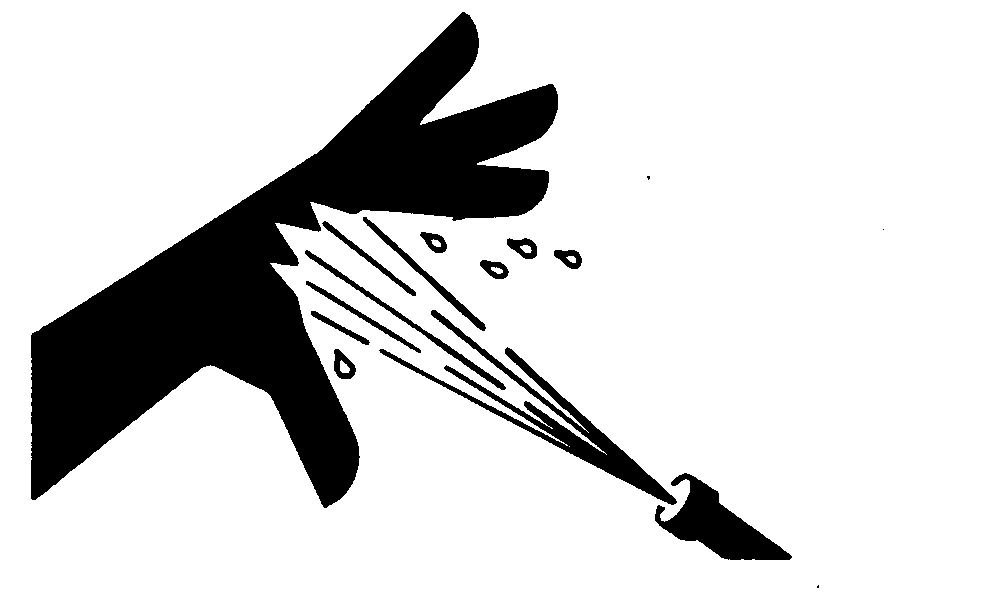
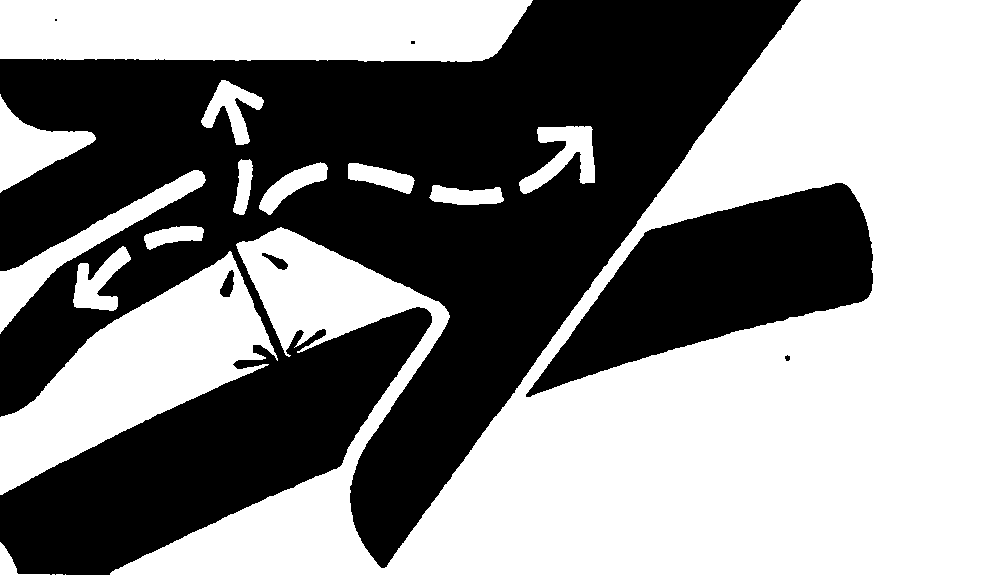
High-pressure fluid remaining in fuel lines can cause serious injury. Do not disconnect or attempt repair of fuel lines, sensors, or any other components between the high-pressure fuel pump and nozzles on engines with High Pressure Common Rail (HPCR) fuel system. Only technicians familiar with this type of system can perform repairs. (See your John Deere dealer.)Escaping fluid under pressure can penetrate the skin causing serious injury. Avoid hazards by relieving pressure before disconnecting hydraulic or other lines. Tighten all connections before applying pressure. Search for leaks with a piece of cardboard. Protect hands and body from high pressure fluids.
If an accident occurs, see a doctor immediately. Any fluid injected into the skin must be surgically removed within a few hours or gangrene may result. Doctors unfamiliar with this type of injury may call the Deere & Company Medical Department in Moline, Illinois, or other knowledgeable medical source.
Any time the fuel system has been opened up for service (lines disconnected or filters removed), it will be necessary to bleed air from the system.
IMPORTANT: Warning do not pressurize the fuel tank to prime the fuel system after running out of fuel or servicing the fuel filters. Pressurizing the fuel system will rupture the front seal on the high pressure pump requiring the replacement of the High Pressure pump.
A ruptured front seal on the High Pressure Fuel Pump will fill the engine crankcase with diesel fuel causing server damage to the engine.
IMPORTANT: Four-valve cylinder head engines are especially sensitive to fuel contamination. Do not crack any fuel lines to bleed the fuel system.
-
RG13798-UN-12NOV04Bleeding Fuel System
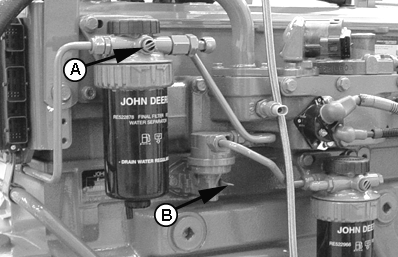
A - Bleed Vent Screw
B - Primer Lever
Loosen the air bleed vent screw (A) on fuel filter base two full turns by hand . -
Operate fuel supply pump primer lever (B), or primer button on fuel filter base (if equipped), until fuel flows out of bleed vent screw.
-
Tighten bleed vent screw securely. Continue operating primer until pumping action is not felt.
-
Start engine and check for leaks.
If engine will not start, repeat steps 1-4.
|
OURGP12,0000098-19-20080507 |