Driving Tractor on Roads
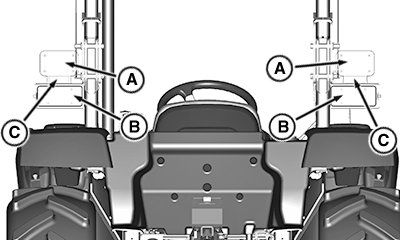
PY21999-UN-03MAR15
A - Warning Lights
B - Tail Lights
C - Reflex Reflectors
 CAUTION: Observe the following precautions when operating on
a road.
CAUTION: Observe the following precautions when operating on
a road.
-
Before operating tractor on highway be sure flashing warning lights (A) and tail lights (B) work properly. Install and use reflex reflectors (C), and auxiliary lighting to equipment as required for safety and by local regulations. Clean the warning lights (A) and reflex reflectors (C) for the best visibility.
-
CAUTION: NEVER operate flood light when transporting tractor.
Clear bright light at the rear of the tractor could confuse drivers
of other vehicles as they approach from the rear.
IMPORTANT: Refer to Lights section for detailed descriptions of lighting operations and functions.
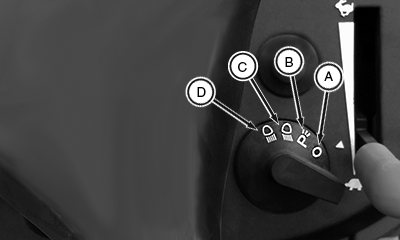
APY04501-UN-07FEB18A - Lights OFF
B - Parking Lights
C - Low Beam Head Lights
D - High Beam Head Lights
Turn light switch to high beam headlights or low beam headlights position. Never use high beam flood lights which are visible from the rear. Always low beam headlights before meeting another vehicle. Keep headlights properly adjusted. -
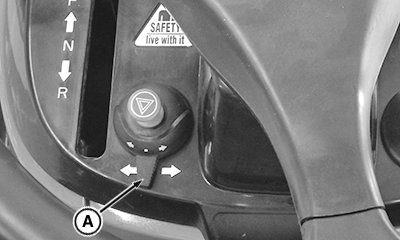
PY23132-UN-03MAR15A - Turn Signal Lever
Use turn signals when turning. Be sure to return turn signal lever (A) to center position after turning. -
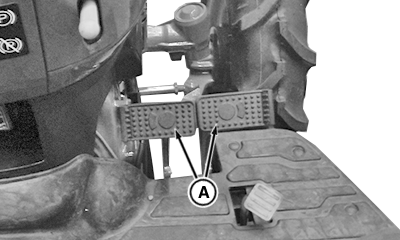
PY22427-UN-04MAR15A - Brake Pedals
Couple brake pedals (A) together before driving on a road. Avoid hard applications of brakes. -
Drive slowly enough to maintain safe control at all times. Slow down for hillsides, rough ground, and sharp turns, especially when transporting heavy, rear-mounted equipment.
-
Before going down a hill, shift to a gear low enough to control speed without using brakes. Never coast down hill.
-
When transporting downhill on icy or graveled grades, be alert for skids which could result in loss of steering control. To decrease chance of skids, reduce speed and be sure that tractor has proper ballast.
-
CAUTION:
A safety chain will help drawn equipment should it accidentally separate from the drawbar. Using the appropriate adapter parts, attach the chain to the tractor drawbar support or other specified anchor location. Provide only enough slack in the chain to permit turning. See your John Deere dealer for a chain with a strength rating equal to or greater than the gross weight of the towed machine. DO NOT use safety chain for towing.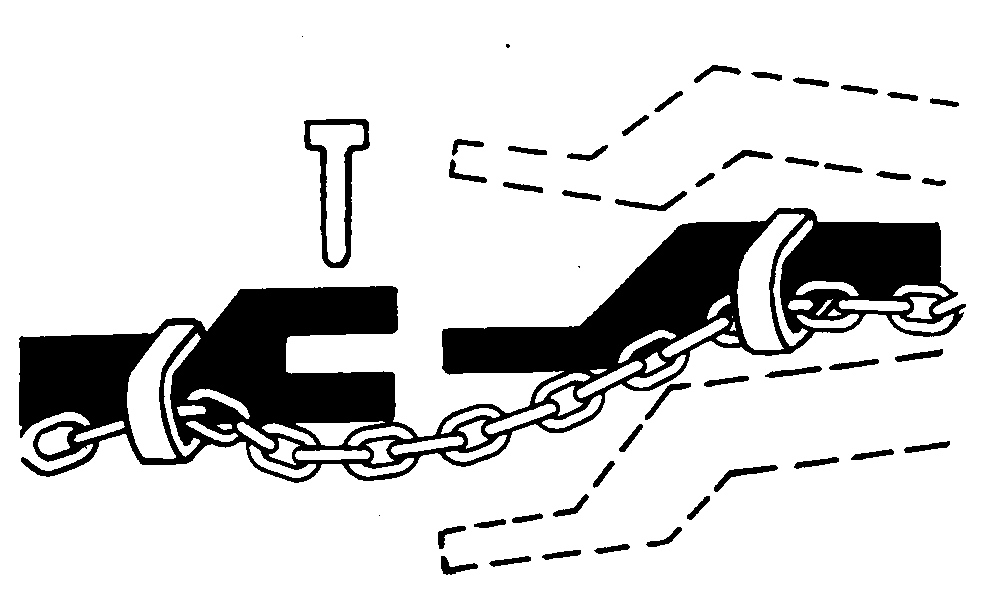
TS217-UN-23AUG88IMPORTANT: Safety chain is provided for transport only. It must not be used for pulling or towing implements, or other items, not attached to drawbar, or damage to your tractor may result.
Transporting Towed Loads:
Lock drawbar pin in place, and use safety chain to help control drawn equipment should it accidentally separate from drawbar while transporting.
-
CAUTION:
Stopping distance increases with speed and weight of towed loads, and on slopes. Towed loads with or without brakes that are too heavy for the tractor or are towed too fast can cause loss of control. Consider the total weight of the equipment and its load.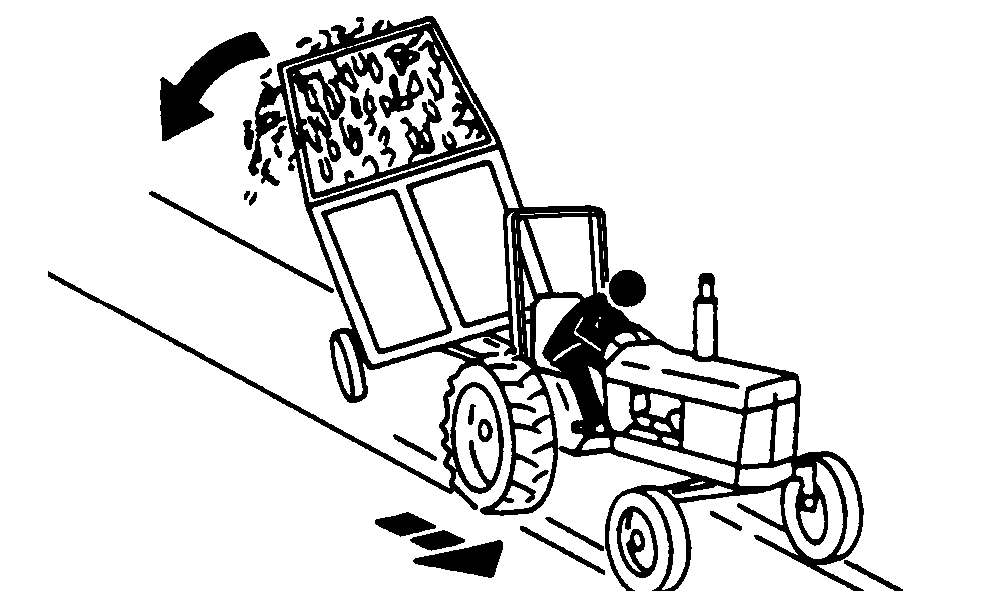
LV4042-UN-09JUL99Observe these recommended maximum road speeds, or local speed limits which may be lower:
If towed equipment does not have brakes, do not travel more than 32 km/h (20 mph) and do not tow loads more than 1 ton.
Ensure that the load does not exceed the recommended weight ratio. Add ballast to recommended maximum for tractor, lighten the load, or get a heavier towing unit. The tractor must be heavy and powerful enough with adequate braking power for the towed load. Use additional caution when towing loads under adverse surface conditions, when turning, and on inclines.
Use caution when operating tractor at transport speeds. Reduce speed if towed load weighs more than tractor and is not equipped with brakes. (See Transport Towed Equipment at Safe Speeds in Safety section.)
-
Use additional caution when transporting towed loads under adverse surface conditions, when turning and on inclines.
-
Heavy towed or rear mounted implements may start swaying in transport. Excessive swaying results in loss of steering control. Drive slowly and avoid quick turns of steering wheel. Refer to your implement operator's manual regarding maximum travel speed limitations.
|
RP32883,0000002-19-20180208 |