Connecting Cylinder Hoses
-
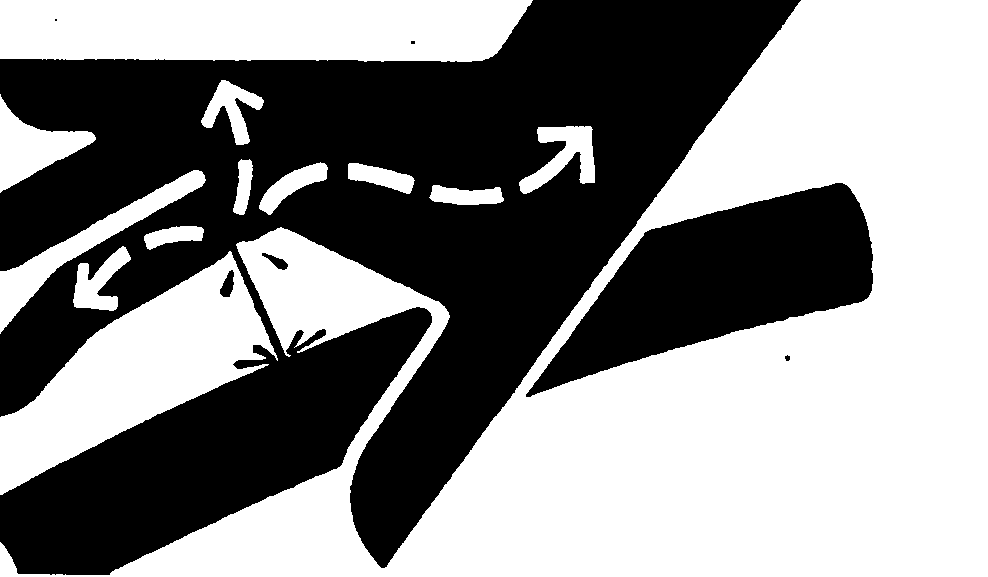
 CAUTION: Escaping fluid under pressure can penetrate the skin
causing serious injury. Avoid the hazard by relieving pressure before
disconnecting hydraulic or other lines. Tighten all connections before
applying pressure. Search for leaks with a piece of cardboard. Protect
hands and body from high pressure fluids.
CAUTION: Escaping fluid under pressure can penetrate the skin
causing serious injury. Avoid the hazard by relieving pressure before
disconnecting hydraulic or other lines. Tighten all connections before
applying pressure. Search for leaks with a piece of cardboard. Protect
hands and body from high pressure fluids. If an accident occurs, see a doctor immediately. Any fluid injected into the skin must be surgically removed within a few hours or gangrene may result. Doctors unfamiliar with this type of injury should reference a knowledgeable medical source. Such information is available from Deere & Company Medical Department in Moline, Illinois, U.S.A.
X9811-UN-23AUG88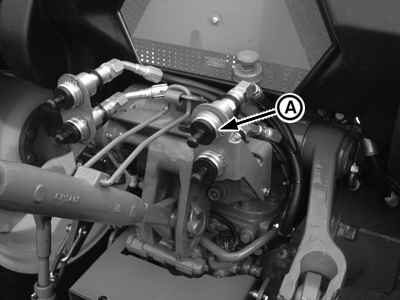
P16508-UN-11APR12A - Dust plug
Remove dust caps (if equipped) from hose end. -
Pull dust plug (A) from couplers.
-
Make sure hose end and coupler receptacles are clean.
-
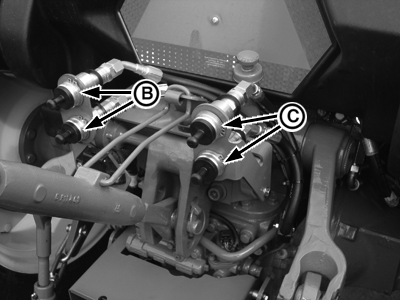
P16507-UN-11APR12B - Coupler receptacle
C - Coupler receptacle
Check hoses to see which is used for extending cylinder. This hose must be connected to a coupler receptacle (B) or (C) in order for cylinder to extend when SCV levers are moved rearward or inward. -
CAUTION: Hydraulic hoses can fail due to physical damage, kinks,
age and exposure. Check hoses regularly. Replace damaged hoses.
To connect each hose, push hose tip firmly into coupler receptacle. Pull lightly on hose to make sure positive connection was made.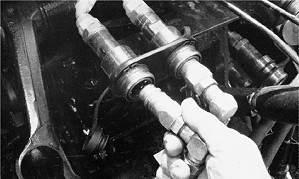
M47218-UN-29JAN92
|
PX07220,0001617-19-20120411 |