Engine Speeds and Operational Procedures
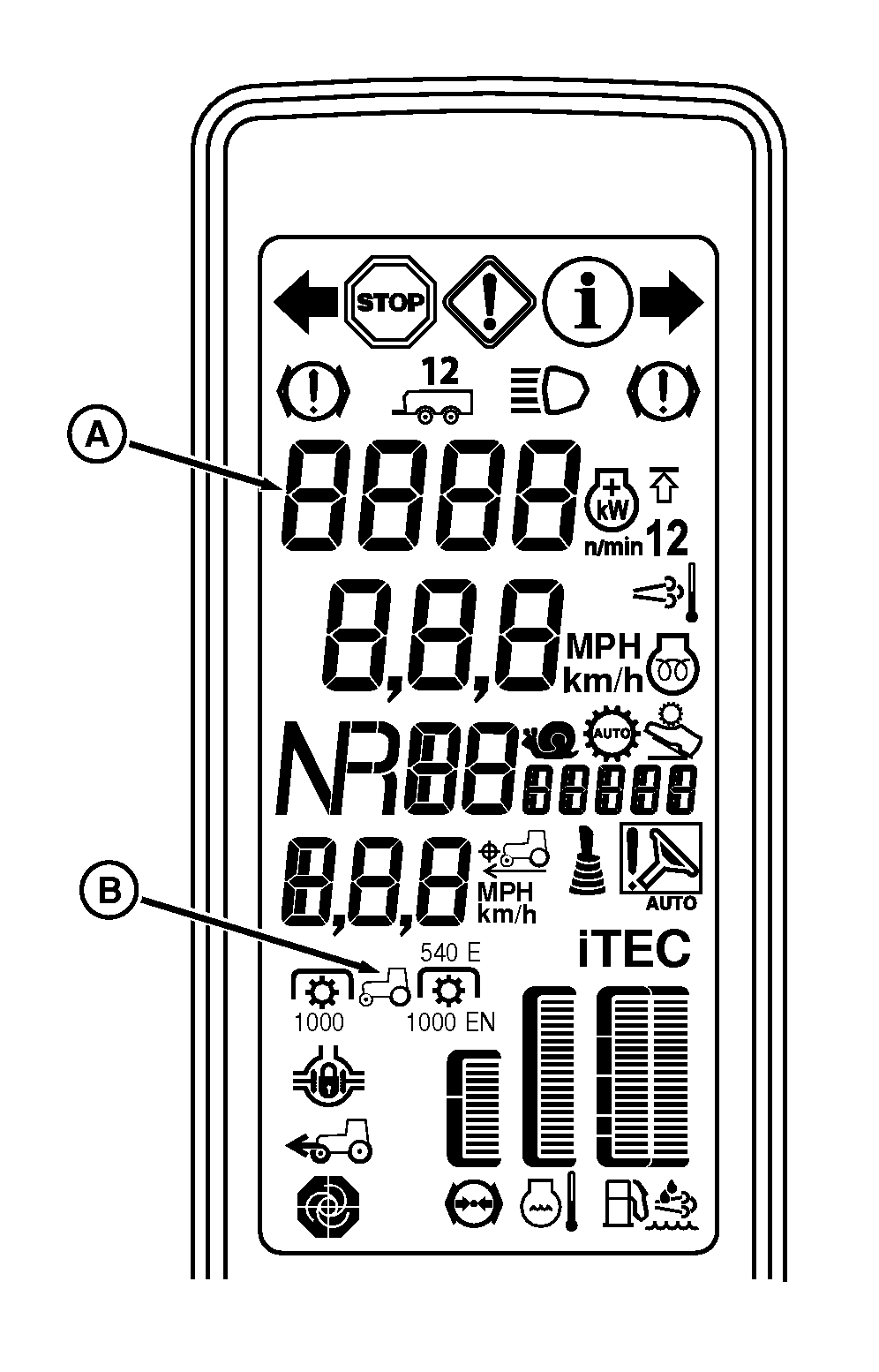
RXA0153097-UN-17AUG16
A - Tachometer
B - PTO Status Icons
Warm Up Engine
Do not place machine under full load until it is properly warmed up.
-
Run engine with tachometer (A) reading 1200 rpm for several minutes.
NOTE: In cold weather, engine speed is limited to 1440 rpm until transmission-hydraulic oil temperature is above -18°C (0°F).
If hydraulic functions operate slowly, warm the transmission-hydraulic system oil. See “Warm Transmission-Hydraulic System Oil” in Hydraulics Operation section.
-
Run engine approximately 1900 rpm under light load until engine reaches normal operating condition.
Avoid Idling Engine
Prolonged idling causes engine coolant temperature to fall below normal range. Prolonged idling causes crankcase oil dilution, due to incomplete fuel combustion, and permits formation of gummy deposits on valves, pistons, and piston rings. It promotes rapid accumulation of engine sludge and unburned fuel in the exhaust system.
If machine must be left with the engine running more than 3 or 4 minutes, minimum engine speed must be 1200 rpm.
Engine Work Speeds
- Engine nominal full load speed is 1600—2200 rpm.
- Do not operate engine constantly below 1500 rpm during heavy draft usage or when machine is under full PTO load.
PTO Speeds
- PTO speed and PTO status (B) are indicated when PTO is engaged.
- PTO mode value is displayed according to PTO speed selected (540E, 540 or 1000).
- Recommended engine speed is 2100 rpm for 540 and 1000 PTO.
- Recommended engine speed is 1645 rpm for 540E PTO.
Restart Stalled Engine
If engine stops running due to overload, immediately restart engine. A running engine causes oil and coolant to circulate, which prevents abnormal heat buildup. If engine stalls but does not stop running due to overload, run at low idle for 1 or 2 minutes in order to dissipate heat buildup.
|
MP60050,000093C-19-20161117 |