Operational CheckoutUse this procedure to check all systems and functions on the machine. It is designed so you can make a quick check of machine operation while doing a walk around inspection and performing specific checks from the operator's seat. Should you experience a problem with your machine, you will find helpful diagnostic information in this checkout that will pinpoint the cause. This information may allow you to perform a simple adjustment yourself which will reduce the down time of your machine. Use the table of contents to help find adjustment procedures. The information you provide after completing the operational checkout will allow you or your authorized dealer to pinpoint a specific test or repair needed to restore the machine to design specifications. A location will be required which is level and has adequate space to complete the checks. No tools or equipment are needed to perform the checkout. Complete the necessary visual checks (oil levels, oil condition, external leaks, loose hardware, linkage, wiring, etc.) prior to doing the checkout. The machine must be at operating temperature for many of the checks. Start at the top of the left column and read completely down column before performing check. Follow this sequence from left to right. In the far right column, if no problem is found, you will be instructed to go to next check. If a problem is indicated, you will be referred to either a section in this manual or to your authorized dealer for repair. |
CED,OUOE049,73 -19-24MAY00-1/1 |
1 Operator Station Checks-Key Switch In "ON", Engine Off
- - -1/1 |
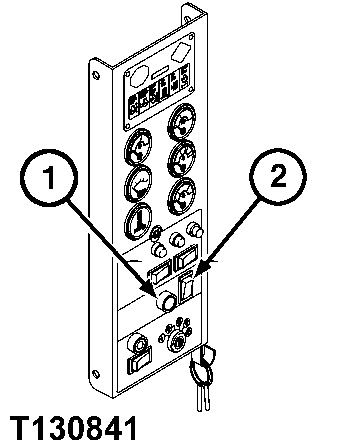
Pilot Pressure Reset Switch Check |
|
YES: Go to next check. NO: Go to your authorized dealer. |
|||
- - -1/1 |
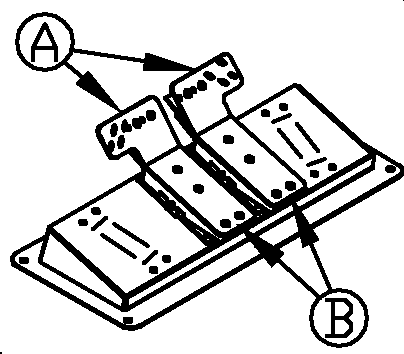
Propel Pedal Check |
|
YES: Go to next check. NO: Go to your authorized dealer. |
|||
- - -1/1 |
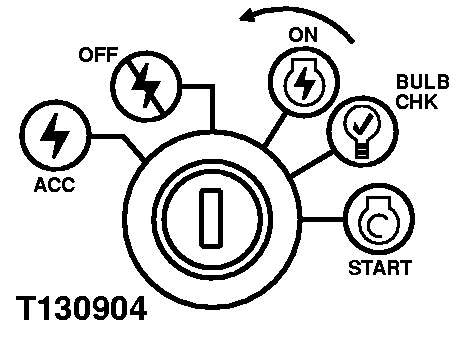
Key Switch Check |
|
YES: Go to next check. NO: Go to your authorized dealer. |
||||||
- - -1/1 |
2 Operator Station Checks-Key Switch In "ACC" Position
- - -1/1 |
Gauges, Monitor, Propel Speed Switch, and Battery Relay Check |
|
YES: Go to next check. NO: Go to your authorized dealer. |
||||||
- - -1/1 |
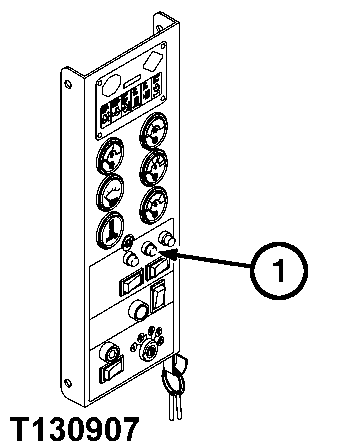
Horn Circuit Check |
|
YES: Go to next check. NO: Go to your authorized dealer. |
|||
- - -1/1 |
Heater/Air Conditioner Blower Check |
|
YES: Go to next check. NO: Go to your authorized dealer. |
|||
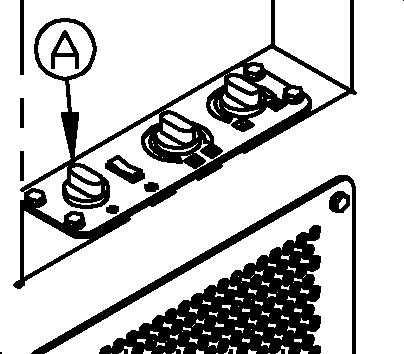
- - -1/1 |
Heater Temperature Checks |
|
YES: Go to next check. NO: Go to your authorized dealer. |
|||
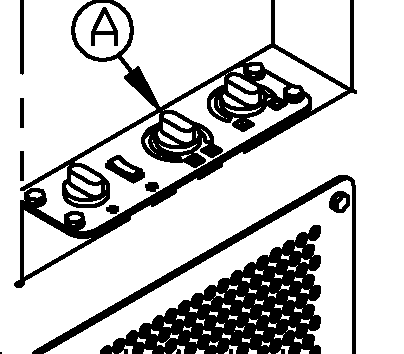
- - -1/1 |
Engine Speed Control Check |
|
YES: Go to next check. NO: Adjust speed control linkage. (See Maintenance-Every 1000 Hours chapter.) Go to your authorized dealer. |
||||||
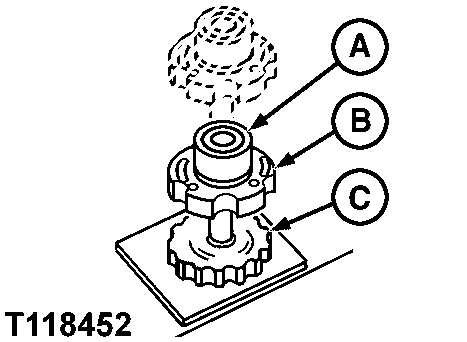
- - -1/1 |
Hour Meter Circuit Check |
|
YES: Go to next check. NO: If no hour meter movement, go to your authorized dealer. |
||||||
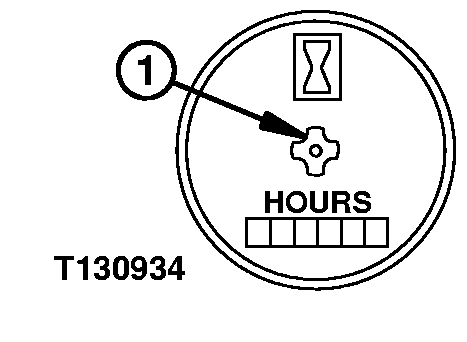
- - -1/1 |
Work Light Switch Circuit Check |
|
YES: Go to next check. NO: Check fuses and bulb. Go to your authorized dealer. |
|||
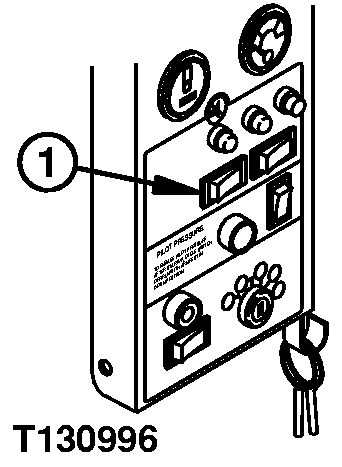
- - -1/1 |
Start Aid Check |
|
YES: Go to next check. NO: Check can contents by shaking. If OK, check fuse. If OK, go to your authorized dealer. |
||||||
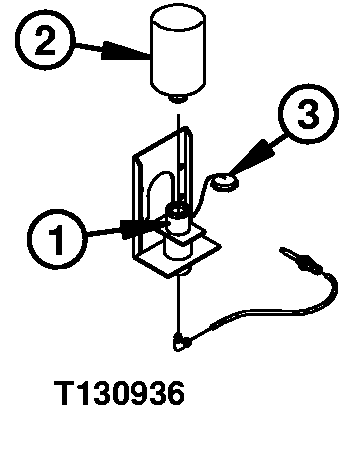
- - -1/1 |
Engine Air Cleaner Restriction Indicator Check |
|
YES: Go to next check. NO: Clean air cleaner element. |
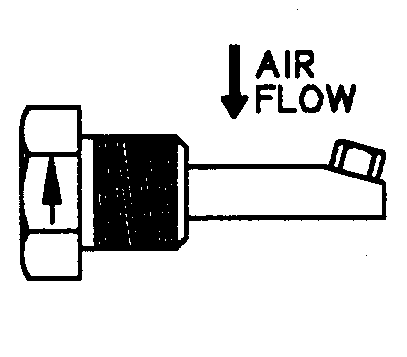
|||
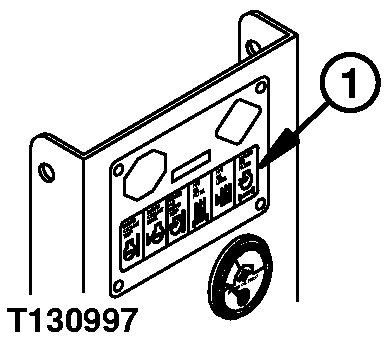
- - -1/1 |
3 Hydraulic System Checks
- - -1/1 |
Visual Inspection |
|
YES: Go to next check. NO: Correct leaks, bent or damaged lines, and fill reservoir to correct level. |
|||
- - -1/1 |
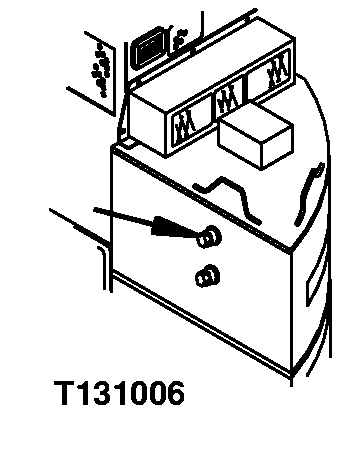
Hydraulic System Warm-Up Procedure |
Operate engine at slightly above slow idle speed. Cycle all hydraulic functions to warm oil in hydraulic system. Repeat procedure until hydraulic oil is at operating temperature. Is side of reservoir warm to touch? NOTE: If temperature is below 0°C (32°F), see Cold Weather Warm-Up (Below 0°C [32°F]) in Group 9025-20. |
YES: Go to next check. |
- - -1/1 |
Oil Cooler Circuit Check |
|
YES: Go to next check. NO: Go to your authorized dealer. |
|||
- - -1/1 |
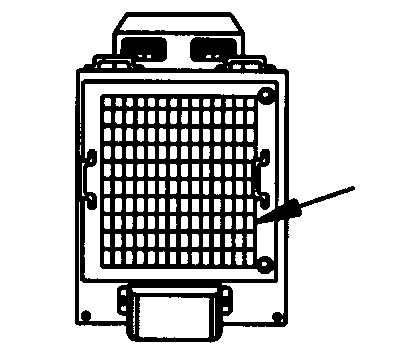
Charge Air Cooler Check-If Equipped |
|
YES: Go to next check. NO: Go to your authorized dealer. |
|||
- - -1/1 |
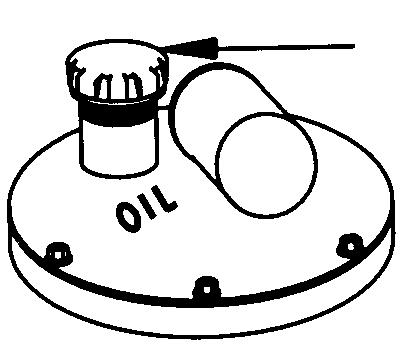
Pressurized Reservoir Check |
|
YES: Go to next check. NO: Replace cap. Go to your authorized dealer. |
|||
- - -1/1 |
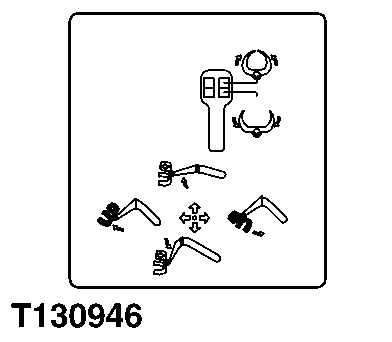
Pilot Hand Controller Pattern Check |
|
YES: Go to next check. NO: Install decals for pattern (operator preference). Go to your authorized dealer. |
||||||
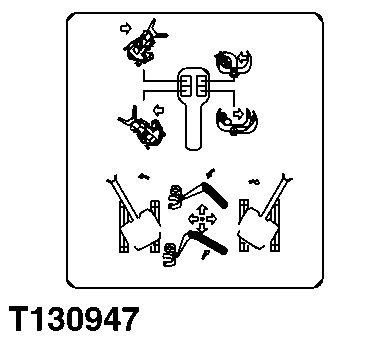
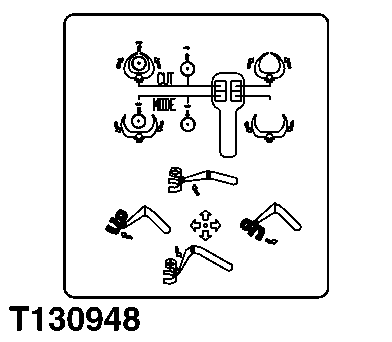
- - -1/1 |
(Dynamic) Swing Brake Check |
|
YES: Go to next check. NO: Go to your authorized dealer. |
|||
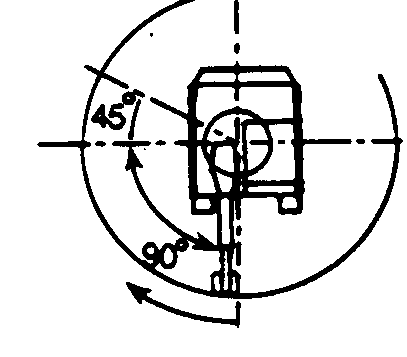
 CAUTION:
Make sure area is clear and large enough to swing extended shear/saw head. Machine must be on level ground.
CAUTION:
Make sure area is clear and large enough to swing extended shear/saw head. Machine must be on level ground.
- - -1/1 |
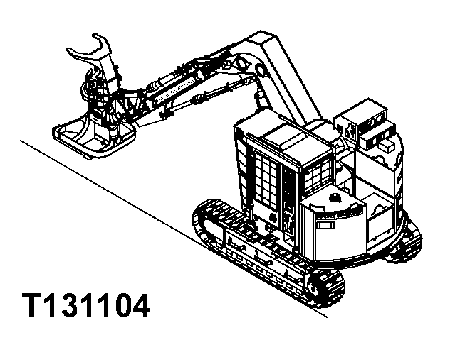
Drift Checks |
|
NO: Go to next check. YES: Go to your authorized dealer. |
||||||
- - -1/1 |
Propel System Tracking Checks (Propel Only) |
Engine at fast idle. Propel speed switch in HI position. Propel machine at full speed forward on a flat and level area. Repeat procedure in reverse. Do both tracks move and machine NOT mistrack excessively in forward or reverse? |
YES: Go to next check. NO: Note which track does not move, or if machine mistracks note the mistrack pattern. Go to your authorized dealer. |
- - -1/1 |
Propel System Tracking Checks (While Operating a Head Function) |
Engine at fast idle. Propel speed switch in HIGH position. Propel machine at full speed forward on a flat and level area. After machine is moving, slowly move the arm control lever from neutral to full actuation to extend the arm. Does machine mistrack excessively when the arm is extended? NOTE: Machine may speed up slightly during this test. |
NO: Go to next check. YES: Go to your authorized dealer. |
- - -1/1 |
Propel System Maneuverability Check |
Engine at fast idle. Propel speed switch in HIGH position. Propel machine at full speed forward down a slope. Turn in each direction. Repeat the procedure in reverse. Does each track slow in response to pedal movement in order to turn? |
YES: Go to next check. NO: Counterbalance valve malfunction. Go to your authorized dealer. |
- - -1/1 |
Propel Speed Selection Check |
|
YES: Go to next check. NO: Go to your authorized dealer. |
|||
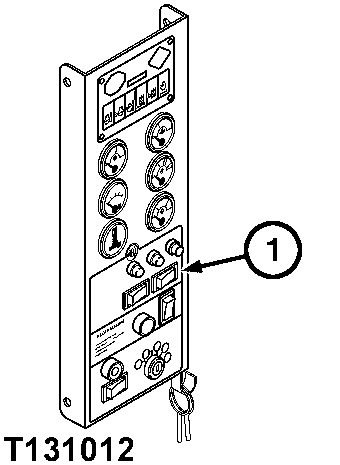
- - -1/1 |
Head Function Valve Solenoid Checks |
|
YES: Go to next check. NO: Check power to solenoid. Go to your authorized dealer. |
|||
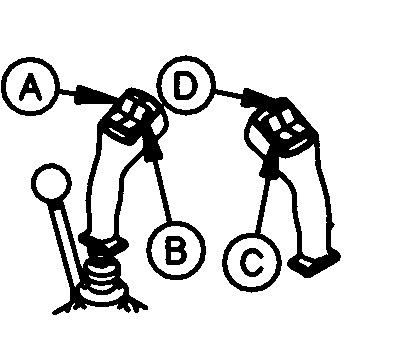
- - -1/1 |
Head Function Valve Solenoid-Alternate Check |
Engine OFF. Key switch in ON position. NOTE: This test requires two people. Remove the head function valve cover. Activate switch on controller. Hold a screwdriver or metal tool close to solenoid coil being energized. Is a magnetic pull felt? Does coil demagnetize when switch is released? |
YES: Go to next check. NO: Check power to solenoid. Go to your authorized dealer. |
- - -1/1 |
Cycle Time Checks |
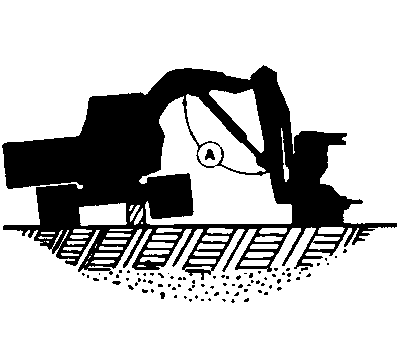
Run engine at fast idle. For arm in and arm out cycle tests, start with the arm-to-head attaching pin even with the front of the track. Have head 4 in. off ground. For all other cycle times use the full stroke of the cylinder. Cycle Times - Specification
NOTE: Other felling heads may have different cycle times. |
YES: Go to next check. NO: Go to your authorized dealer. |
|
|
- - -1/1 |
4 Undercarriage Checks
- - -1/1 |
Track Sag Check |
|
YES: See Adjusting Track Sag in Maintenance-As Required chapter. |
||||||
- - -1/1 |
Roller and Idler Leakage Check |
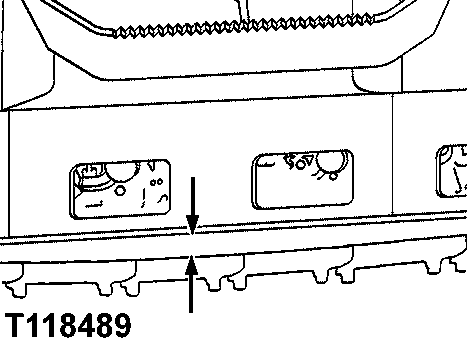
Check rollers and idlers for oil leaks. Is oil leaking from rollers or idlers? Raise other side of machine and repeat checks. NOTE: Proper track adjustment is critical to get maximum wear life for track pins and bushings. Tight track increases stresses at the sprocket to bushing contact surfaces causing accelerated wear. Proper track adjustment can only be done with the tractor in its working environment. Packing conditions tighten track and accelerate pin and bushing wear. |
YES: Go to your authorized dealer for repair if oil leakage is noted from idlers or rollers. NO: Go to next check. |
- - -1/1 |
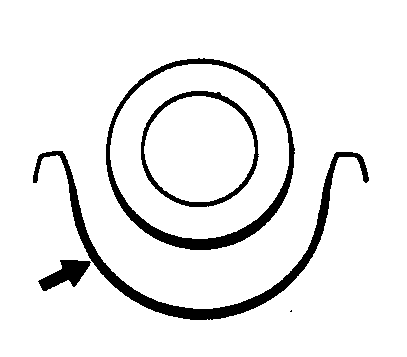
Sprocket Wear Check |
|
YES: Go to your authorized dealer. NO: Go to next check. |
|||
- - -1/1 |
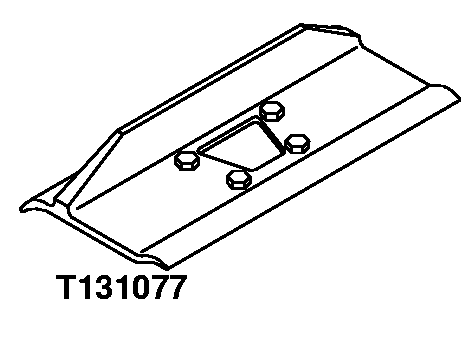
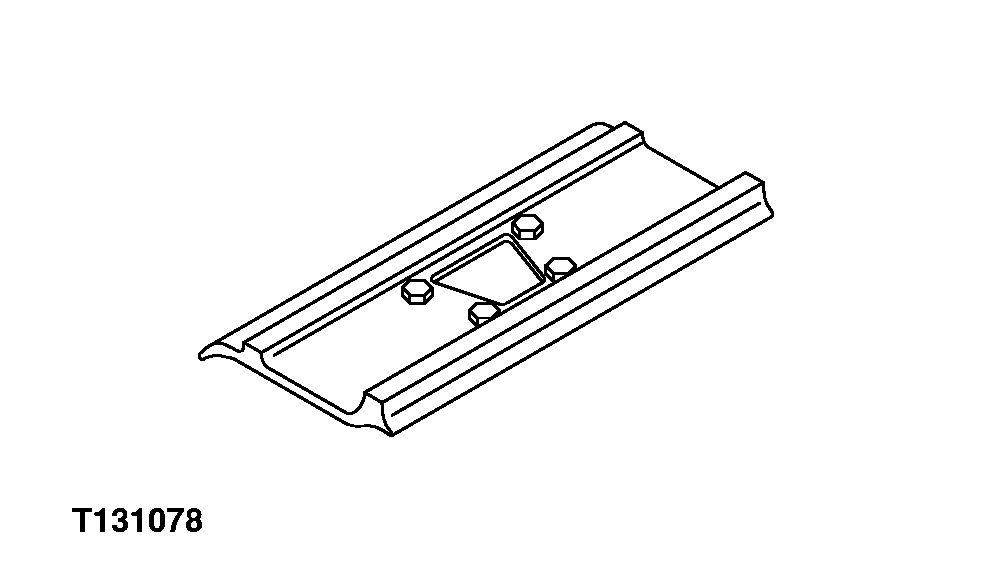
Grouser Wear, Bent Track Shoe, and Loose Hardware Checks |
|
YES: If shoe hardware is loose, remove shoe and clean joint before tightening. Go to Check Track Shoe Torque in Maintenance chapter. NO: Go to next check. |
||||||||
- - -1/1 |
Track Link, Roller, and Front Idler Wear Checks |
|
YES: Go to your authorized dealer for additional track component information. NO: Go to next check. |
|||
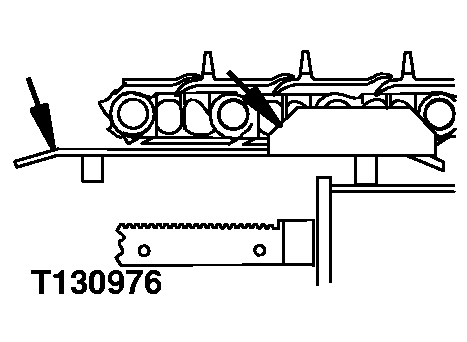
- - -1/1 |
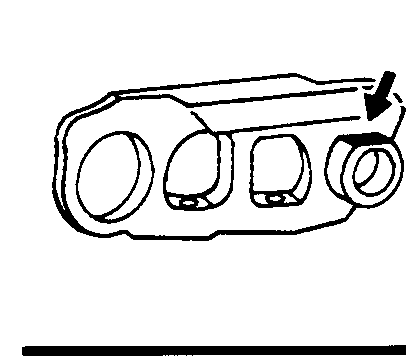
Carrier Slides and Guides Check |
|
YES: Replace slides. NO: Go to next check. |
||||||
- - -1/1 |
5 Cab Component Checks
- - -1/1 |
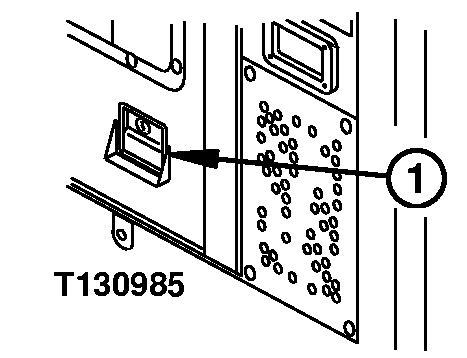
Cab Door Latch Check |
|
YES: Go to next check. NO: Lubricate or repair locks. Go to your authorized dealer. |
||||||
- - -1/1 |
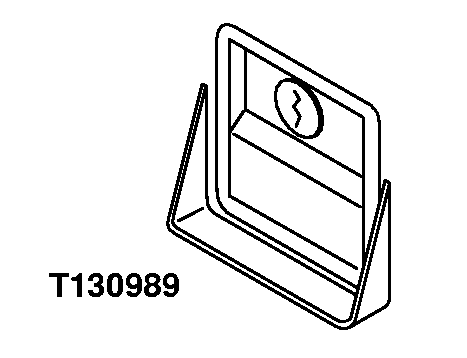
Cab Door Lock Check |
|
YES: Go to next check. NO: Lubricate or repair locks. Go to your authorized dealer. |
||||||
- - -1/1 |
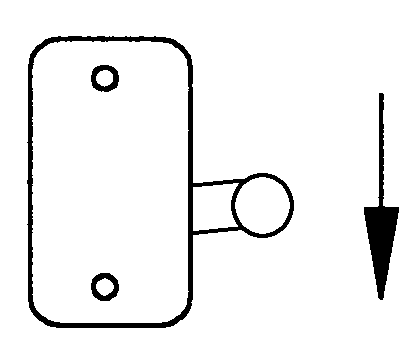
Cab Door Inside Handle Check |
|
YES: Go to next check. NO: Lubricate or repair latch or handle. |
|||
- - -1/1 |
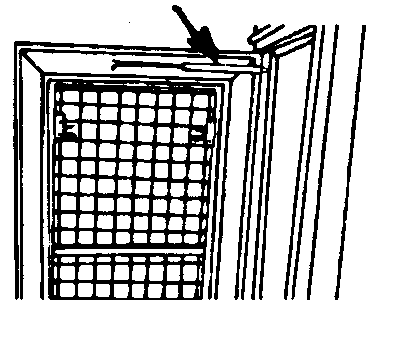
Cab Door Gas Cylinder Check |
|
YES: Go to next check. NO: Replace gas cylinder. |
|||
- - -1/1 |
6 Cooling System Checks
- - -1/1 |
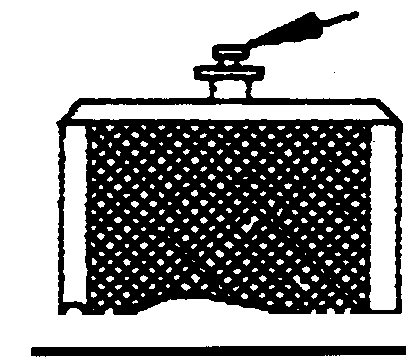
Radiator Cap Check (170 HP Engine) |
|
YES: Go to next check. NO: Replace radiator cap. Check recovery system for leaks. |
||||||
- - -1/1 |
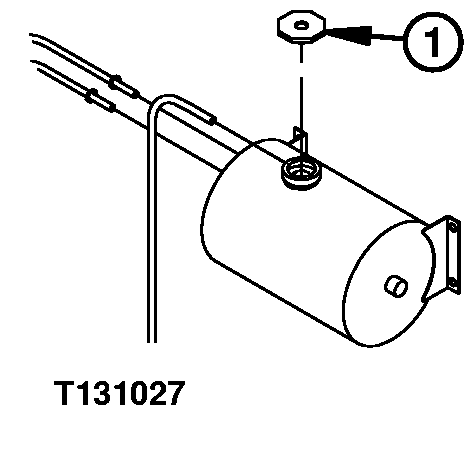
Surge Tank Cap Check (200 HP Engine) |
|
YES: Go to next check. NO: Replace surge tank cap. Check system for leaks. |
||||||
- - -1/1 |
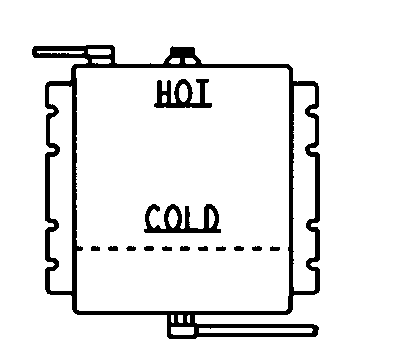
Coolant Level and Coolant Condition in Recovery Tank (170 HP Engine) |
|
YES: Go to next check. NO: Add or replace coolant. (See Maintenance chapter.) |
|||
- - -1/1 |
Coolant Hoses and Clamps Check |
Are radiator and heater hoses free of twists, kinks, cracks, leaks or wear from rubbing on adjacent parts? Are hose clamps tight and installed correctly? |
YES: Go to next check. NO: Replace or untwist hoses as required. Tighten or reinstall hose clamps. |
- - -1/1 |
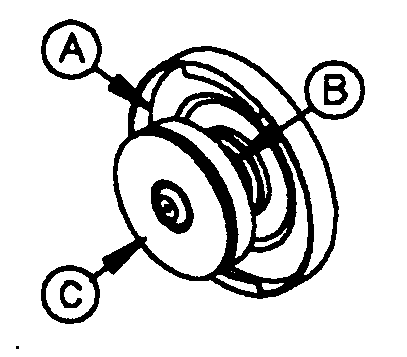
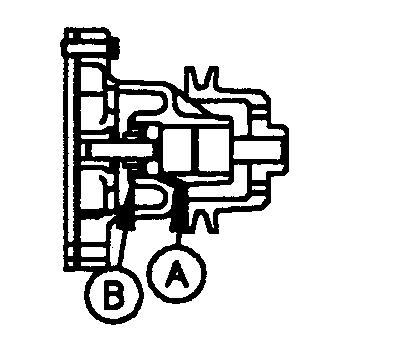
Water Pump Check |
|
YES: Seal (B) has failed. Replace seal or water pump. Go to your authorized dealer. NO: Go to next check. |
|||
- - -1/1 |
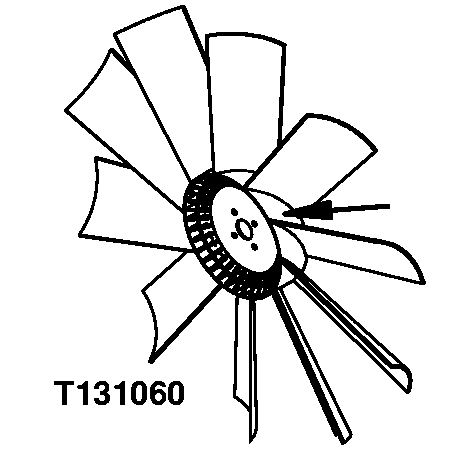
Fan Blades Check |
|
YES: Replace fan. NO: Go to next check. |
||||||
- - -1/1 |
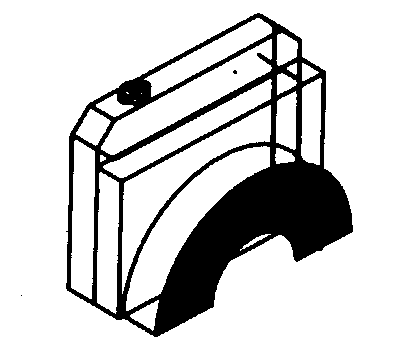
Fan Shroud and Fan Guard Check |
|
YES: Go to next check. NO: Adjust fan shroud if fan is not centered. Repair or replace guard. Tighten loose hardware. Replace fan shroud if needed. |
|||
- - -1/1 |
Fan Belt and Air Conditioner Belt Checks |
Is fan belt free of oil or grease? Are inside surfaces of belt free of cracks or frayed edges. Is belt aligned with pulleys? |
YES: Go to next check. NO: Replace fan belt if oily, greasy, cracked or otherwise damaged. Repair or replace tightener if belts are loose. |
- - -1/1 |
Radiator, Oil Cooler and Charge Air Cooler (200 HP Engine) Outside Air Flow Check |
Are radiator, oil cooler and charge air cooler (200 hp engine) fins free of mud, leaves, grass, and other debris? Are fins straight-NOT broken or cracked? |
YES: Go to next check. NO: Clean outside of radiator, oil cooler and charge air cooler (if equipped). Go to your authorized dealer. |
- - -1/1 |