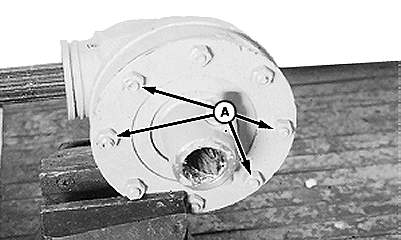
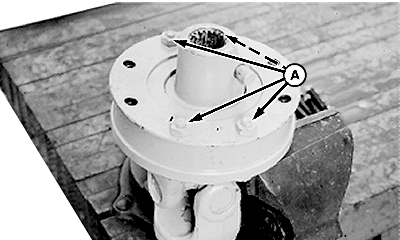
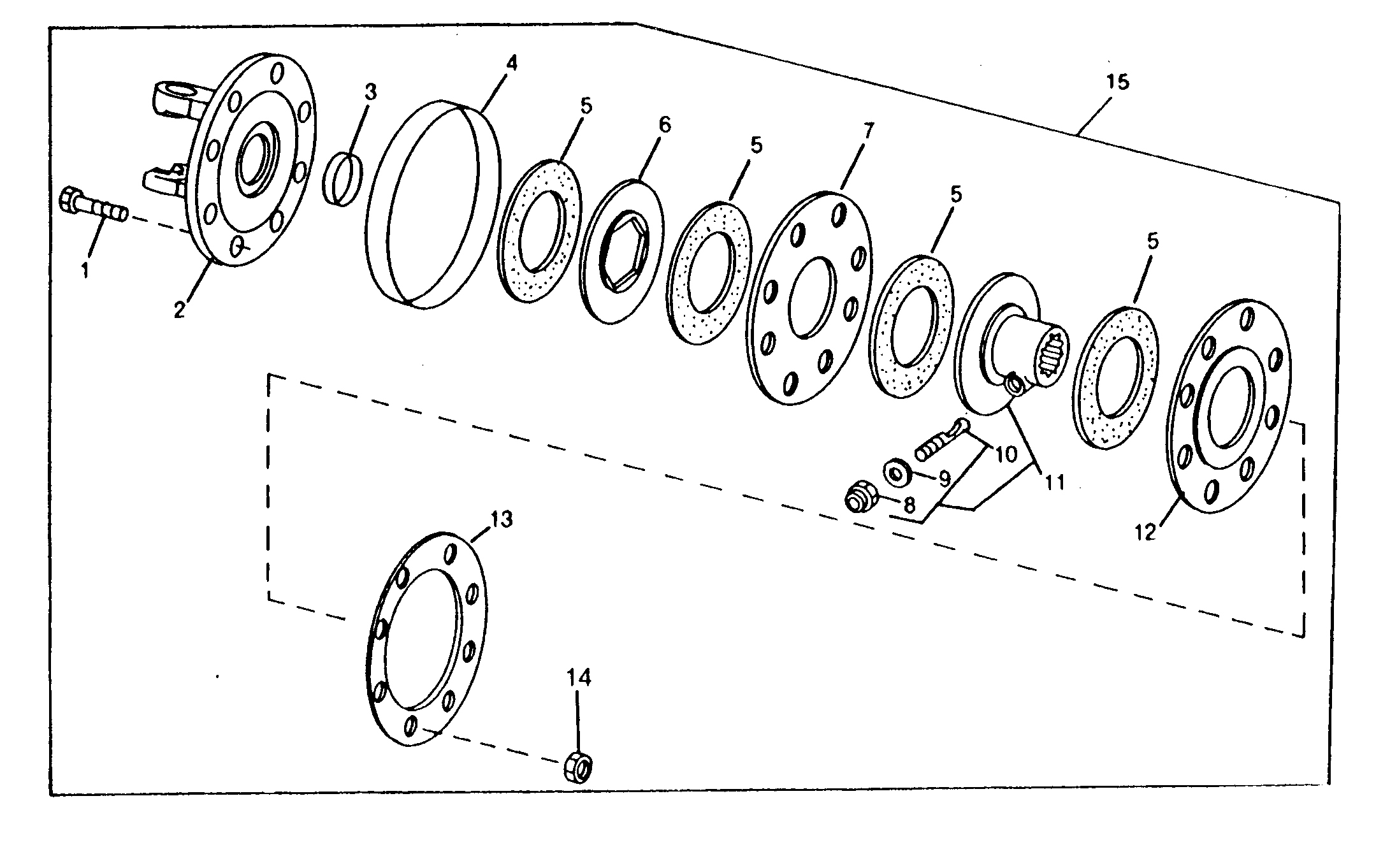
Disassembling and Inspecting Slip ClutchNOTE: Belleville springs which are part of the clutch, keep tension on all components. When disassembling, release tension by loosening hardware progressively. 1. Place clutch in vise and remove cap screws (A) only. 2. Reposition clutch in vise and loosen cap screws (B) progressively until tension is relieved. 3. Friction disks may appear to be part of the hub or yoke, tap lightly on edge to separate.
|
|
OUO6077,00019FA -19-27MAY05-1/3 |
|
|
|
|
|
|
4.
Inspect clutch components for wear or damage. Repair or replace parts as necessary.
5. Check thickness of friction disks (5). Replace all disks if less than specification. |
Specification
|
OUO6077,00019FA -19-27MAY05-2/3 |
|
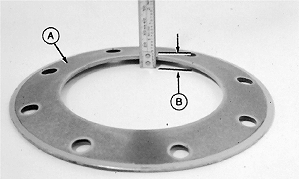
NOTE: Dimension (B) is nominal, if all other parts of clutch are to specifications and if spring is suspect for clutch slippage, replace spring. Check your clutch and Parts Catalog for your machine for parts used. 6. Check diameter of inside hole and nominal dimension (B) on belleville spring (A). Belleville Spring - Specification
|
|
OUO6077,00019FA -19-27MAY05-3/3 |