Pump
|
|
|
|
|
|
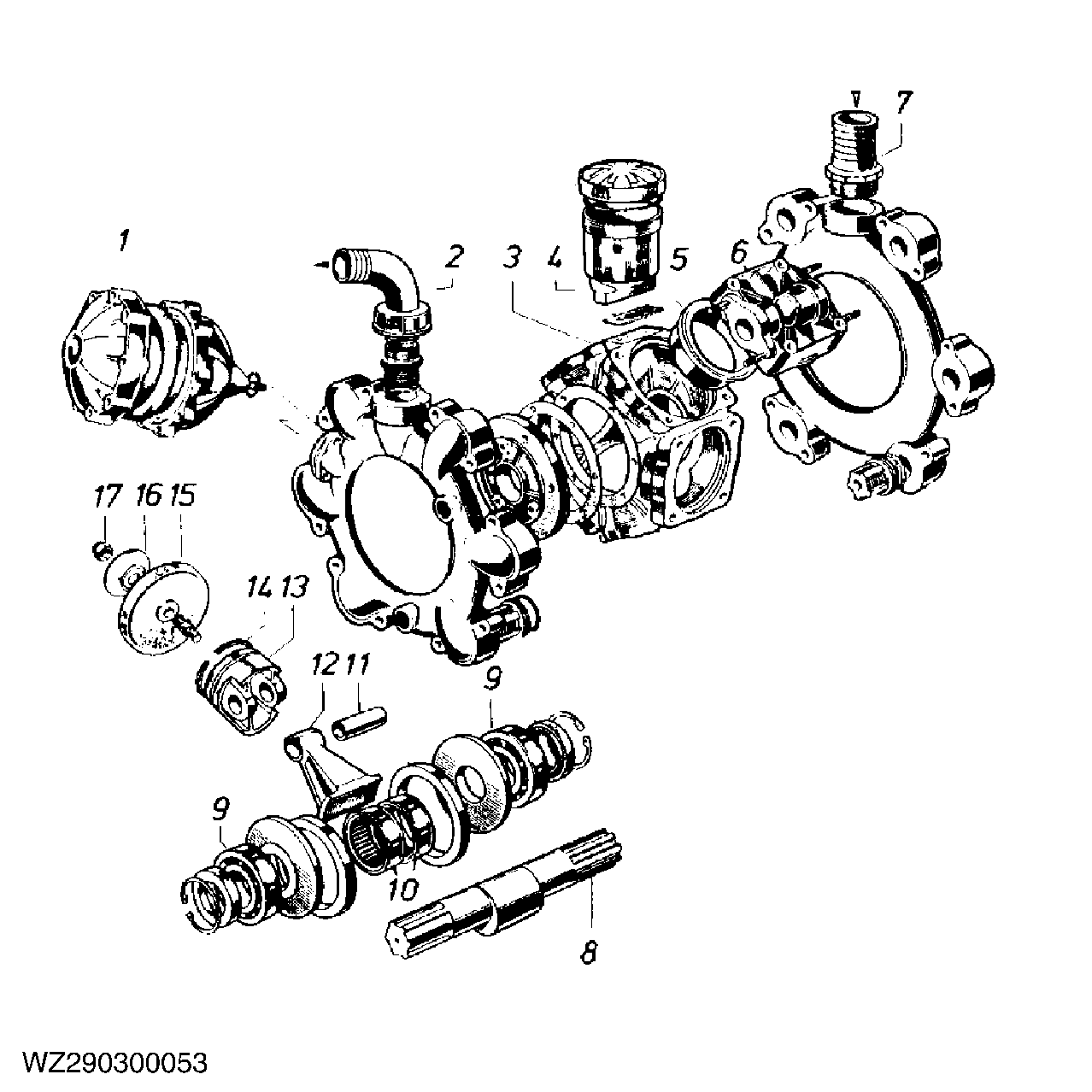
IMPORTANT: The pump speed must not exceed 540 rpm. The 700 series trailed sprayer can be equipped with a single piston diaphragm pump with a maximum capacity of 280 liters per minute at 540 rpm. The pump is located on the frame and is driven by the tractor |
PTO by means of a PTO shaft with a double wide angle coupling (1 3/8" with 6 splines). The PTO shaft has a separate operator's manual, supplied in a plastic bag attached to the PTO shaft. The maximum pressure of the pump is 20 bar. However, the machine is always set at a maximum operating pressure of 15 bar. |
WZ00085,00003E9 -19-14SEP05-1/4 |
|
Starting the Pump
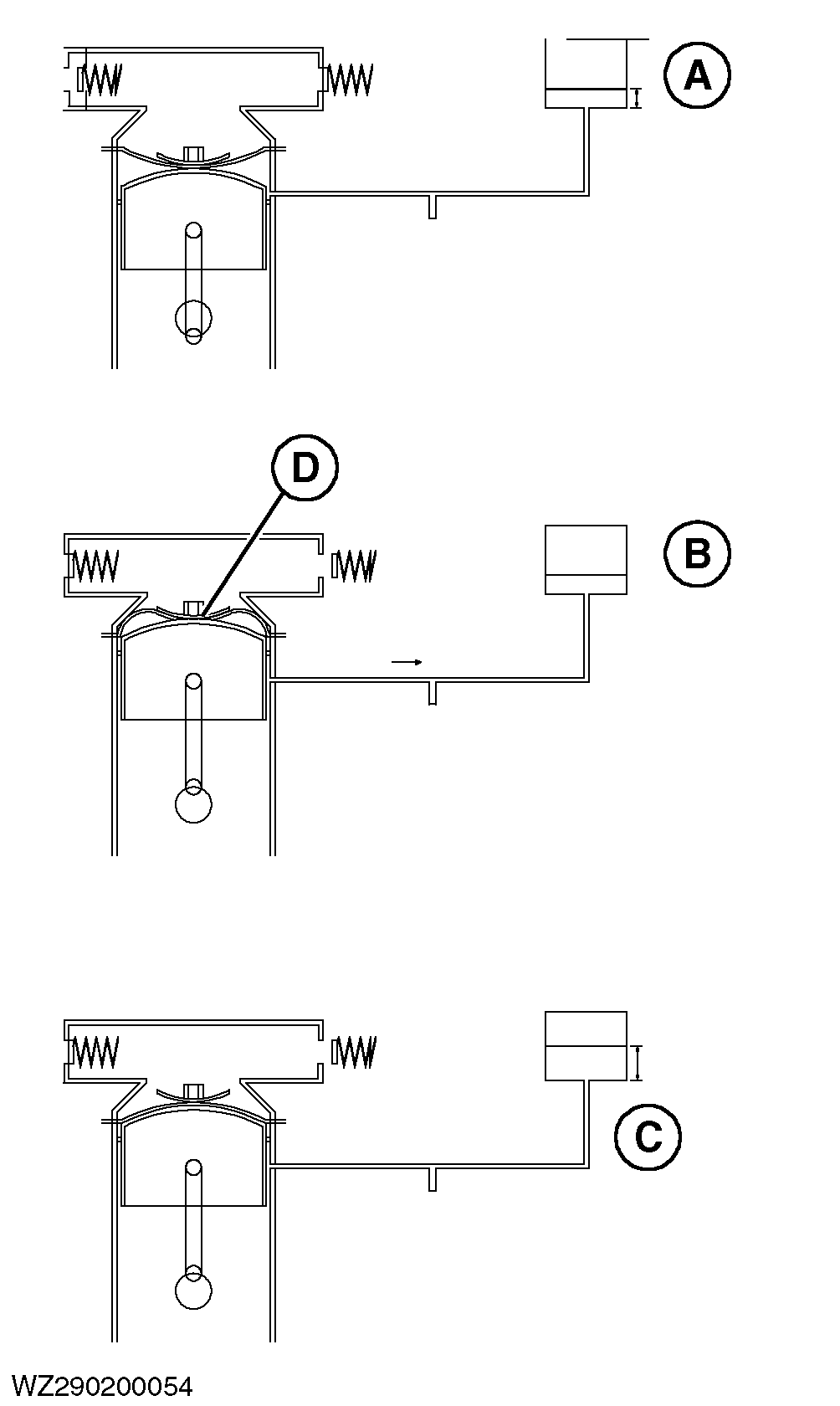
IMPORTANT: If the pump is started at a high speed, the superfluous oil cannot escape quickly enough. The diaphragms will then make too large a stroke while there is no counter pressure from the liquid yet. This may force the diaphragm, possibly resulting in premature diaphragm damage or oil leaks where the diaphragm (D) is attached to the piston. When the pump is idling (A), the space between the pistons and the diaphragms will fill with oil from the refill reservoir on the pump. When the pump is subsequently activated and the diaphragms are directly subjected to counter pressure from the liquid, the diaphragms will be pressed against the piston. This will press the superfluous oil back into the refill reservoir. The larger the length of piston stroke and diaphragm diameter, the greater the amount of oil displaced. This displacement of oil may take some time, depending on the temperature of the oil. The pressure on the diaphragm will be increased considerably while this superfluous oil is being displaced into the refill reservoir. After a few revolutions, the diaphragm lies completely against the piston (C). |
|
WZ00085,00003E9 -19-14SEP05-2/4 |
Using the Pump
|
|
WZ00085,00003E9 -19-14SEP05-3/4 |
|
Pressure Accumulator
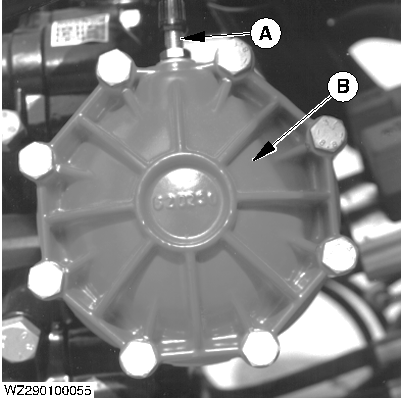
The piston diaphragm pumps are fitted standard with a pressure accumulator (B), which ensures a regular flow of liquid, by evening out the pressure pulses. The recommended air pressure is depending upon the spraying pressure (see table below).
The pressure in the accumulator can be measured and corrected via valve (A) located on the pressure accumulator. NOTE: The pre-pressure should be checked with the machine turned off. Check the valve for leakage. The needle on the pressure gauge must be more or less motionless during spraying. |
|
WZ00085,00003E9 -19-14SEP05-4/4 |