
924DE, 1128DE, 1128DDE and 1332DDE
Introduction
Product Identification
Safety
Understanding The Machine Safety Labels
Emission Control System Certification Label
Rotating Blades Are Dangerous - Protect Children And Prevent Accidents
Avoid Injury From Moving Parts
Operating
Replacement Parts
Service Intervals
Service
Troubleshooting
Storage
Assembly
Specifications
Warranty
John Deere Quality Statement
Service Record
Copyright© Deere & Company

Safety
Understanding The Machine Safety Labels
The machine safety labels shown in this section are placed in important areas on your machine to draw attention to potential safety hazards.
On your machine safety labels, the words DANGER, WARNING, and CAUTION are used with this safety-alert symbol,. DANGER identifies the most serious hazards.
The operator's manual also explains any potential safety hazards whenever necessary in special safety messages that are identified with the word, CAUTION, and the safety-alert symbol,.
DANGER
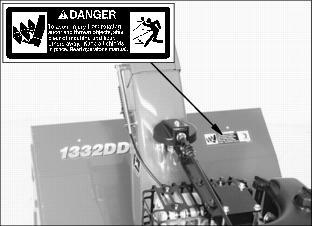
To avoid injury from rotating auger and thrown objects, stay clear of machine and keep others away. Keep all shields in place. Read operator's manual.
DANGER - ROTATING BLOWER
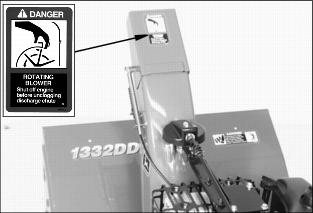
Shut off engine before unclogging discharge chute.
WARNING - HOT SURFACE
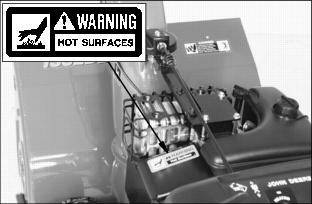
Certification Label
This OPEI label on your snow blower indicates that this model has been certified by an independent laboratory for compliance with American National Standard B-71.3, "Safety Specifications" for Snowblowers.
Emission Control System Certification Label
NOTE: Tampering with emission controls and components by unauthorized personnel may result in severe fines or penalties. Emission controls and components can only be adjusted by EPA and/or CARB authorized service centers. Contact your John Deere Commercial and Consumer Equipment Retailer concerning emission controls and component questions.
The presence of an emissions label signifies that the engine has been certified with the United States Environmental Protection Agency (EPA) and/or California Air Resources Board (CARB).
The emissions warranty applies only to those engines marketed by John Deere that have been certified by the EPA and/or CARB; and used in the United States and Canada in off-road mobile equipment.
Emission Compliance Period
If your engine has the emission compliance category listed on the emission control system certification or air index label, this indicates the number of operating hours for which the engine has been certified to meet EPA and/or CARB emission requirements. The following table provides the engine compliance period in hours associated with the category found on the certification label.
Operate Safely
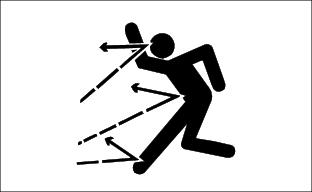
· Inspect machine before you operate. Be sure hardware is tight. Repair or replace damaged, badly worn, or missing parts. Be sure guards and shields are in good condition and fastened in place. Make any necessary adjustments before you operate.
· Clear work area of objects that might be thrown. Keep people and pets out of the work area. Stop machine if anyone enters the area.
· If you hit an object, stop the machine and inspect it. Make repairs before you operate. Keep machine properly maintained and in good working order. Keep all shields and guards in place.
· DO NOT blow snow toward people, cars, or buildings.
· DO NOT use snowblower on surfaces above ground level, such as, a roof of a building.
· Be extremely careful if you must clear snow from a gravel path. Be aware that snowblower may pick up gravel in snow. Adjust spout angle carefully to blow this snow safely.
· DO NOT leave machine unattended when it is running.
· Only operate during daylight or with good artificial light.
· Be sure of footing. Operate slowly on slippery surfaces. Be especially careful when you pull machine backwards with the engine running.
· DO NOT blow snow across a slope. Be careful when you change direction on a slope. Do not try to clear snow from steep slopes. Keep away from edge of a ditch or bank.
· Keep a firm hold on the machine handles. Avoid sudden starts and stops.
· DO NOT run engine in a building unless there is good ventilation.
Rotating Blades Are Dangerous - Protect Children And Prevent Accidents
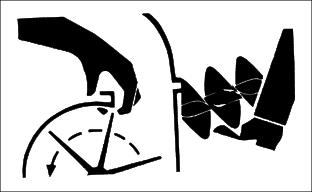
PROTECT CHILDREN:
· Never assume that children will remain where you last saw them. Children are attracted to snow blowing activity, stay alert to the presence of children.
· Keep children in the house when you are operating the machine.
· Turn machine off if a child enters the area.
· Use extra care when you come to blind corners, shrubs, trees, or other objects that may block your vision.
· DO NOT let children or an untrained person operate the machine.
HELP PREVENT SERIOUS OR FATAL ACCIDENTS:
· Be alert at all times, people ESPECIALLY CHILDREN can move quickly into the area before you know it.
· Shut off auger when you are not blowing snow.
· Keep hands, feet, and clothing away from moving parts.
Practice Safe Maintenance
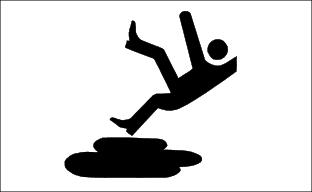
· Understand service procedure before doing work. Keep area clean and dry.
· Never lubricate, service, or adjust machine while it is moving. Keep safety devices in place and in working condition. Keep hardware tight.
· To prevent them from getting caught, keep hands, feet, clothing, jewelry, and long hair away from any moving parts.
· Before servicing machine, disengage all power and stop the engine. Let engine cool.
· Securely support any machine elements that must be raised for service work.
· Keep all parts in good condition and properly installed. Fix damage immediately. Replace worn or broken parts. Remove any buildup of grease, oil, or debris.
· Unauthorized modifications to the machine may impair its function and safety.
Wear Appropriate Clothing
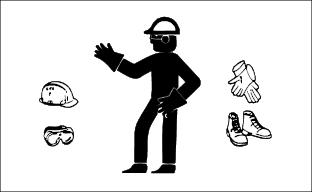
· Wear close fitting clothing and safety equipment appropriate for the job.
· Loud noise can cause impairment or loss of hearing, wear a suitable protective device such as earplugs.
· Do not wear radio or music headphones while servicing the machine. Safe service requires your full attention.
Avoid Injury From Moving Parts
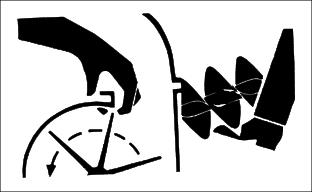
· Keep hands, feet and clothing away from snowblower and discharge chute when auger is turning.
· Stop auger when you are not blowing snow.
· Stop vehicle engine before you unplug, repair, or adjust snowblower.
Tire Safety
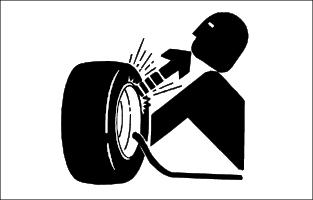
Explosive separation of a tire and rim parts can cause serious injury or death:
· Do not attempt to mount a tire without the proper equipment and experience to perform the job.
· Always maintain the correct tire pressure. Do not inflate the tires above the recommended pressure. Never weld or heat a wheel and tire assembly. The heat can cause an increase in air pressure resulting in a tire explosion. Welding can structurally weaken or deform the wheel.
· When inflating tires, use a clip-on chuck and extension hose long enough to allow you to stand to one side and NOT in front of or over the tire assembly.
· Check tires for low pressure, cuts, bubbles, damaged rims or missing lug bolts and nuts.
Handling Fuel Safely
Fuel and fuel vapors are highly flammable:
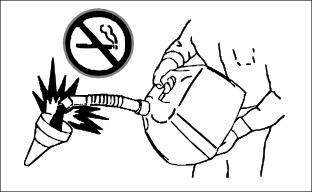
· DO NOT refuel machine while you smoke, when machine is near an open flame or sparks, or when engine is running. STOP engine.
· Prevent fires: clean oil, grease and dirt from machine. Clean up spilled fuel immediately.
· Do not store machine with fuel in tank in a building where fumes may reach an open flame or spark.
· Prevent fire and explosion caused by static electric discharge. Use only non-metal, portable fuel containers approved by the Underwriter's Laboratory (U.L.) or the American Society for Testing & Materials (ASTM). If using a funnel, make sure it is plastic and has no screen or filter.
· Static electric discharge can ignite gasoline vapors in an ungrounded fuel container. Remove the fuel container from the bed of a vehicle or the trunk of a car and place on the ground away from the vehicle before filling. Keep nozzle in contact with container opening while filling.
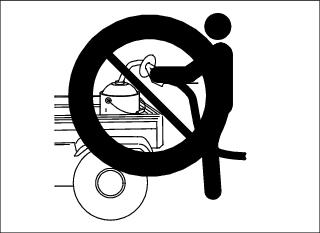
· When practical, remove equipment from trailers or truck beds and refuel them on the ground. If this is not possible, use a portable, plastic fuel container to refuel equipment on a truck bed or trailer.
· DO NOT use METHANOL gasoline. METHANOL is harmful to the environment and to your health.
Handling Waste Products

· Waste products, such as, used oil, fuel, and batteries, can harm the environment and people.
· DO NOT use beverage containers for waste fluids - someone may drink from them.
· See your local Recycling Center or John Deere dealer to learn how to recycle or get rid of waste products.
· A Material Safety Data Sheet (MSDS) provides specific details on chemical products: physical and health hazards, safety procedures, and emergency response techniques. The seller of the chemical products used with your machine is responsible for providing the MSDS for that product.