
Introduction
Product Identification
Safety
Battery Charger Safety Information
Protect Children and Prevent Accidents
Driving On Rough Or Hilly Terrain
Use Care In Handling and Servicing Batteries
Handling Waste Product and Chemicals
Service Utility Vehicle Safely
Operating
Replacement Parts
Service Intervals
Service
Service Transaxle
Service Electrical
Service Miscellaneous
Troubleshooting
Storage
Assembly
Specifications
Declaration of Conformity
Declaration of Conformity
Declaration of Conformity
Service Statement
Copyright© Deere & Company

Safety
Pictorial Safety Signs

At several important places on this machine safety signs are affixed intended to signify potential danger. The hazard is identified by a pictorial in a warning triangle T. An adjacent pictorial provides information how to avoid personal injury. These safety signs, their placement on the machine and a brief explanatory text are shown in this Safety Signs section.
Machine Safety Labels
CAUTION
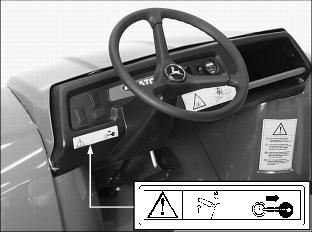
WARNING
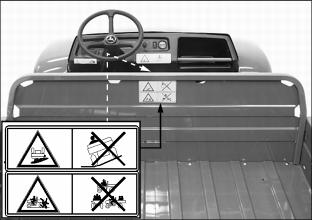
· Maximum of one person to a seat.
· No riders in box or anywhere else.
ROLLOVER OR FALLING OFF MAY CAUSE DEATH
· Drive very slowly when turning.
· Always use brakes going down a slope. Vehicle can take-off (freewheel) downhill.
· No loads heavier than 500 lbs (227 kg) in vehicle cargo box. Spread load evenly. Tie loads down.
· Reduce speed and load on rough or hilly ground.
DANGER
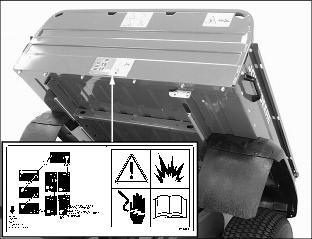
· Turn key off, place FORWARD/REVERSE lever to Neutral (N) and remove key.
· Place SERVICE switch in SERVICE position.
· Never disconnect a circuit under load at a battery terminal.
· Remove all jewelry (rings, watches etc.).
· Disconnect batteries, as shown, to avoid unintentional starting of vehicle. Pay close attention to polarities when connecting batteries. Always connect the red end of the cable to the positive (+) post and the black end of the cable to the negative (-) post.
WARNING
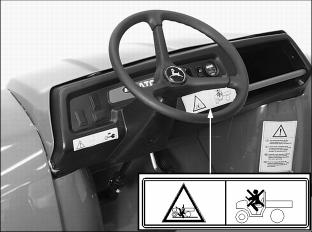
· Young drivers may not be able to control vehicle.
· No drivers younger than 16 years old.
Read Operator's Manual
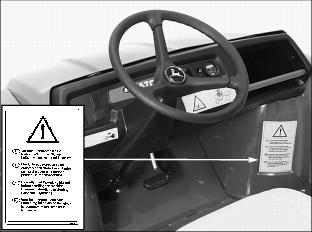
Carefully read Operator's Manual before handling the machine. Observe instructions and safety rules when operating.
DANGER/POISON
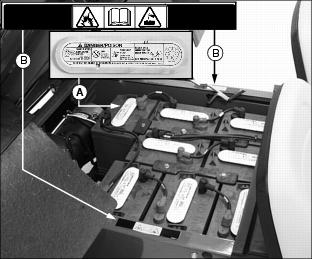
Picture Note: Raise cargo box to locate battery safety information. English DANGER/POISON information (A) molded into battery caps. No-text DANGER/POISON labels (B) are located on each vehicle frame side rail.
Cigarettes, flames or sparks could cause the batteries to explode. Always shield eyes and face from the batteries. Do not charge or use booster cables or adjust poor connections without proper instruction and training. Keep vent caps tight and level.
Contains sulfuric acid. Avoid contact with skin, eyes or clothing. In event of an accident, flush with water and call a physician immediately. Keep out of reach of children.
DANGER
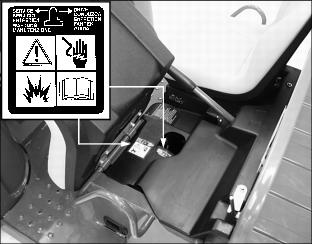
Picture Note: Lift operator seat to locate safety labels.
Place switch in SERVICE position before servicing batteries or when towing.
Do not tow in excess of 15 m.p.h. (24 km/h) or motor may rupture or disintegrate.
CAUTION
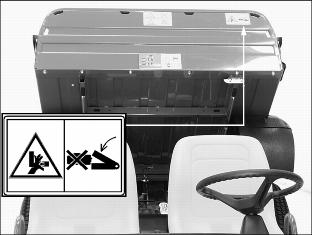
· Operate dump with machine stationary and parking brake locked: Never dump while moving.
· Operate dump on level ground only.
· Do not place hands behind seat when lowering box.
· Refer to operator's manual for correct load distribution.
CAUTION
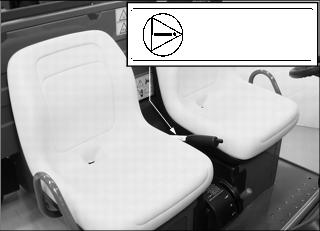
For emergency stopping, raise the park brake lever.
CE Label

This label is part of the utility vehicle identification plate on your utility vehicle. It indicates that your vehicle model has been certified and is in compliance with European Directive 89/392/EEC Standards.
Battery Charger Safety Label
CAUTION
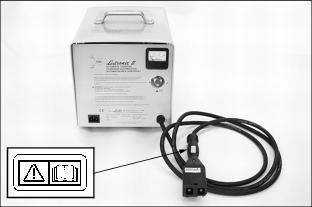
Engage connector fully for proper charging.
Battery Charger Safety Information
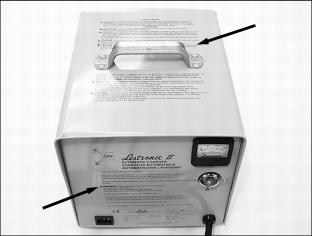
NOTE: Battery charger safety information inscribed on top and front of battery charger housing.
Information-Front of Charger
Study instruction sheet before charging.
Switch off mains supply before connecting or disconnecting charger output plug.
To ensure protection against electric shock, connect only to a socket-outlet with earthing contact.
· Explosive gases - prevent flames and sparks.
· Charge lead-acid batteries only in well ventilated area.
· This battery incorporates parts such as switches and relays that are likely to produce arcs or sparks; therefore, when charging a battery in a garage or similar location, locate the battery charger in a room or enclosure provided for this purpose.
· Disconnect from mains and output circuit before removing cover.
Information - Top of Charger
OPERATION
1. CONNECT INPUT SUPPLY CORD TO GROUNDED 50 HZ SERVICE WITH MEASURED VOLTAGE OF 230 VAC.
2. CONNECT THE OUTPUT CONNECTOR TO THE BATTERY CONNECTOR. CHARGER TURNS ON AUTOMATICALLY AFTER SHORT DELAY IF ALL ELECTRICAL CONNECTIONS AND BATTERY VOLTAGE TEST GOOD. TRANSFORMER HUMS AND AMMETER INDICATES INITIAL CHARGING RATE. MONITOR AMMETER FOR INITIAL CHARGING RATE.
3. INITIAL CHARGING RATE WILL VARY DEPENDING ON BATTERY DISCHARGE STATE.
4. CHARGING RATE DECREASES AS BATTERY CHARGES IF ALL BATTERIES ARE GOOD. CHARGER TURNS OFF AUTOMATICALLY AS BATTERIES REACH FULL CHARGE.
5. AFTER CHARGER TURNS OFF, DISCONNECT DC PLUG BY GRASPING PLUG BODY AND PULLING STRAIGHT OUT OF RECEPTACLE.
Operate Safely
· DO NOT misuse the utility vehicle, it is a utility vehicle NOT a recreation vehicle.
· Sit on the center of the seat and keep both feet within the foot platform perimeter. Clean foot platform if dirty, and remove any debris from around foot controls.
· Check for debris or refuse in the battery storage compartment, especially around brake linkage which attaches to axle housing on each side of the transaxle.
· Always use both hands for steering.
· Know location of controls and how and what they operate.
· Never operate utility vehicle while standing.
· Never operate utility vehicle with the cargo box raised.
· Check brake action before beginning vehicle operation. If necessary, have the brakes adjusted or serviced by a trained technician.
· To provide adequate braking ability and traction, DO NOT tow any attachment or loaded trailer unless the utility vehicle cargo box is loaded.
· Inspect vehicle before operating. Be sure hardware is tight. Repair or replace damaged, badly worn, or missing parts. Be sure guards and shields are in good condition and fastened in place. Make any necessary adjustments before operating.
· Keep people and pets out of the work area. Stop the vehicle if anyone enters the area. If an object is hit, stop and inspect the vehicle for damage. Make repairs before operating. Keep the vehicle properly maintained and in good working order.
· Keep headlight lenses clean.
· DO NOT leave vehicle unattended.
· Only operate during daylight or with good artificial light.
· Be careful of traffic when operating near or crossing roadways.
· This vehicle is NOT intended for use on highways or public roadways. It is to be used for off-road use only.
· Avoid sudden starts, stops, or turns.
· Always use a level turn-around area.
· DO NOT wear radio or music headphones while operating the vehicle. Safe operation requires your full attention.
Park Safely
· Stop the vehicle on a level surface, not on a slope.
· Turn key switch to the OFF "0" position.
· Move directional control lever to the NEUTRAL "N" position.
Use Hand Holds
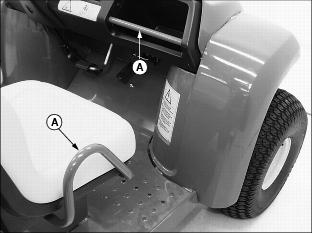
Hand Holds (A) are provided for passenger balance when driving over rough terrain. Use dash bar and side rails on seats for stability.
Check Wheel Mounting Hardware
· A serious accident could occur causing serious injury if wheel nuts and bolts are not tight.
· Check wheel nut and bolt tightness after first 10 hours of vehicle operation and semi-annually thereafter.
Protect Children and Prevent Accidents
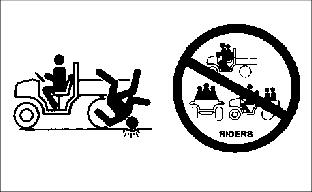
· Never assume that children will remain where you last saw them. Stay alert to the presence of children.
· Never carry children in the cargo box area. DO NOT let children ride in the cargo box of the utility vehicle or any attachment. DO NOT tow children in a cart or trailer.
· Use extra care when coming to blind corners, shrubs, trees, or other objects that may block vision.
· DO NOT let children or an untrained person operate the vehicle.
· Before backing or turning, look behind and around the utility vehicle for children.
HELP PREVENT SERIOUS OR FATAL ACCIDENTS:
· Be alert at all times, drive forward and in reverse carefully. People, especially children, can move quickly into an area of operation.
· Back carefully. Look behind the vehicle, especially for children, before backing up.
· DO NOT operate vehicle if under the influence of alcohol or other drugs.
· Misuse and recreational riding can lead to accidents, severe bodily injury or death.
Avoid Tipping
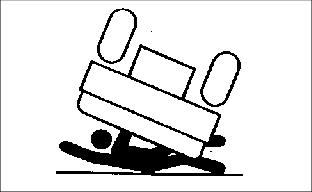
Accidents resulting in serious injury or death can occur from tipping the utility vehicle. Observe the following practices to help prevent accidents:
· DO NOT misuse this utility vehicle. This utility vehicle is not designed for recreational riding.
· Never allow riders in the cargo box or other areas where seats are not provided.
· Drive very slowly when turning. Sharp turns could cause the utility vehicle to tip over.
· Reduce speed and exercise extreme caution on slopes or on rough ground.
· DO NOT overload vehicle and avoid shifting loads. Reduce load when operating over rough or hilly terrain.
· DO NOT stop or start suddenly when going uphill or downhill. Be especially cautious when changing direction on slopes.
· Stay alert for holes, rocks, and other hidden hazards in the terrain.
· Keep front wheels straight at crest of hill or going over bumps.
· When descending a hill, remove foot from accelerator and apply brakes to reduce speed and maintain control.
· DO NOT make changes or modifications to this utility vehicle.
· Use of a helmet and/or protective gear is recommended for certain operating conditions.
Operator Training Required

Study Operating section of this manual before operating the vehicle.
· Operate vehicle in an open, unobstructed area under the direction of an experienced operator.
· Learn the use of all controls.
· Operator experience is required to learn the moving, stopping, turning and other operating characteristics of the vehicle.
· Young drivers may not have the strength or experience to control the utility vehicle. This increases the chances of rolling the vehicle over resulting in severe bodily injury or death.
· The utility vehicle should NOT be operated by anyone under the age of 16 years.
Keep Riders Off Vehicle

· Seating is provided for operator and one passenger. No riders are allowed in cargo box or anywhere else on vehicle.
· Riders on vehicle are subject to injury such as being struck by foreign objects or being thrown off of the vehicle and severely injured or killed.
· Riders affect the operators ability to control the vehicle as well as its center of gravity. Also, riders could obstruct the operator's view resulting in the vehicle being operated in an unsafe manner.
Wear Appropriate Clothing
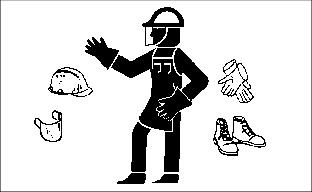
· Wear close fitting clothing and safety equipment appropriate for the job.
· Loud noise can cause impairment or loss of hearing, wear a suitable protective device such as earplugs.
Driving On Rough Or Hilly Terrain
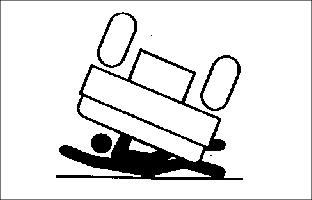
· Always use the brakes when going down slopes. The utility vehicle can speed-up when carrying a load. Make sure loads are dispersed evenly and secured. Braking could shift the load and affect vehicle stability.
· Use existing trails. Avoid terrain such as dangerous slopes and impassable swamps. Watch carefully for sharp bumps, holes, ruts, or obstacles.
· Look ahead at terrain. Know what is coming and be prepared to react. Be alert for hazards.
· Keep front wheels straight at crest of hill or going over bumps.
· Adjust speed according to trail, terrain, and visibility conditions.
· Use of a helmet and or protective gear is recommended for certain operating conditions.
Driving Across Slopes
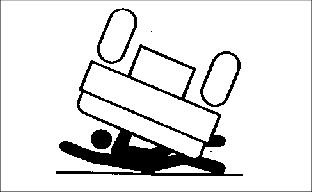
· Sit on center of seat and keep both feet within foot platform perimeter.
· Stay alert for holes, rocks and other hidden hazards in the terrain.
· When riding on soft terrain, turn front wheels slightly uphill to keep utility vehicle on a straight line across the hill.
· If utility vehicle begins to tip, turn front wheel downhill to gain control before proceeding.
· Use of a helmet or protective gear is recommended for certain operating conditions.
Climbing Or Descending A Hill

· Always use the brakes when going down slopes. The utility vehicle can speed-up when carrying a load. Make sure loads are dispersed evenly and secured. Braking could shift the load and affect vehicle stability.
· Sit on center of seat and keep both feet within foot platform.
· Never drive past the limit of visibility. Slow down near crest of hill until getting a clear view of the other side.
· Keep front wheels straight at crest of hill or going over bumps.
· DO NOT stop or start suddenly when going uphill or downhill. Be especially cautious when changing direction on slopes.
· If vehicle stops or loses power going up a hill, apply park brake to hold vehicle on slope. Maintain direction of travel and release brake slowly. Back straight down hill slowly while maintaining control. DO NOT turn vehicle sideways. Vehicle is more stable in a straight forward or rearward position.
· When descending a hill, remove foot from accelerator and apply brakes to reduce speed and maintain control.
· Use of a helmet and/or protective gear is recommended for certain operating conditions.
Riding Through Water
 c CAUTION: Avoid injury! Help prevent serious bodily injury or death due to loss of vehicle control.
|
· Avoid water whenever possible.
· Sit on center of seat and keep both feet within foot platform perimeter.
IMPORTANT: Avoid damage! Help avoid potential damage to the electrical components of this vehicle. Cross a body of water at a reduced speed without creating a wake. |
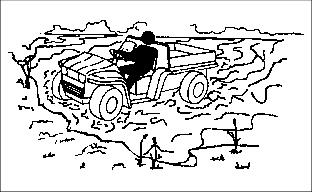
· Never cross any body of water where depth may be unknown to the operator. As an operational guideline, deep water is considered anything in excess of 152mm (6 in.) in depth. Tires may float, making it difficult to maintain control.
· Choose a course within the waterway where both banks have a gradual incline. Cross at a point known to be safe.
· Proceed at a slow steady speed to avoid submerged obstacles and slippery rocks.
· Avoid water crossings where the operation of a utility vehicle may cause damage to waterway beds or erode waterway shoreline.
Practice Safe Maintenance

· Understand service procedure before doing work. Keep area clean and dry.
· Never lubricate, service, or adjust vehicle while it is moving. Keep safety devices in place and in working condition. Keep hardware tight.
· To prevent them from getting caught, keep hands, feet, clothing, jewelry, and long hair away from any moving parts.
· Turn key switch to the OFF "0" position.
· Move directional control lever to the NEUTRAL "N" position.
· Move service/drive switch to the SERVICE position.
· Securely support any vehicle elements that must be raised for service work.
· Never support the vehicle in a raised position and run the motor.
· Keep all parts in good condition and properly installed. Fix damage immediately. Replace worn or broken parts. Remove any buildup of grease, oil, or debris.
· Disconnect battery set positive (B+) cable before servicing the electrical systems.
· Unauthorized modifications to the vehicle may impair its function and safety.
Use Care In Handling and Servicing Batteries
Prevent Battery Explosions

· Batteries contain sulfuric acid and produce explosive mixtures of hydrogen. Because hydrogen gas is present even when the utility vehicle is not in operation, make sure batteries are stored and serviced in a well ventilated area.
· Always wear proper eye, face and hand protection.
· Keep sparks, lighted matches, and open flame away from the top of battery.
· Remove all jewelry (watches, rings, bracelets, etc.) before servicing the electrical system or batteries.
· Make sure work area is well ventilated.
· Never lean over battery while testing or charging.
· Keep removable vents tight and level except when servicing electrolyte.
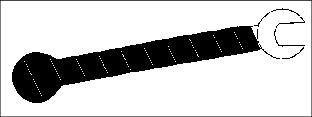
· Exercise caution while working with tools or conductors to prevent short circuits and sparks.
· Never check battery charge by placing a metal object across the posts. Use a battery tester, voltmeter or hydrometer.
· DO NOT charge a frozen battery; it may explode. Warm battery to 16°C (60°F).
Charging Safety
· Never attempt to charge a battery set without first reviewing the instructions provided with the charger.
· Use only the battery charger provided with the utility vehicle. DO NOT use substitutes.
· Always wear proper eye, face and hand protection.
· Keep sparks, lighted matches, and open flame away from the top of battery.
· Make sure work area is well ventilated.
· Never lean over battery while testing or charging.
· Keep removable vents tight and level except when servicing electrolyte.
· To avoid dangerous sparks, make sure the charger AC plug is disconnected before disconnecting the DC plug to the vehicle receptacle.
· Never try to charge a visibly damaged or frozen battery.
· Be sure that the key switch and all electrical accessories are turned off.
· Make sure the charger leads are not broken, frayed or loose.
· If the battery becomes hot, or if violent gassing or spewing of electrolyte occurs, unplug the charger AC source first before removing the DC plug.
· If battery set is on charge, unplug the charger AC plug before disconnecting the charger DC cable plug to avoid dangerous sparks.
Prevent Acid Burns
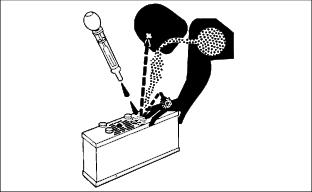
Use extreme caution when handling electrolyte. Sulfuric acid in battery electrolyte is poisonous. It is strong enough to burn skin, eat holes in clothing, and cause blindness if splashed into eyes.
· Filling batteries in a well-ventilated area.
· Wearing eye and face protection, a rubber apron and rubber gloves.
· Avoid breathing fumes when water is added.
· Avoid spilling or dripping electrolyte.
· Flush area of the body that has been exposed with water for at least 20 minutes.
· Flush your eyes with clean, cool water for at least 20 minutes.
· Remove contaminated clothing.
· Get medical attention immediately.
· Drink large amounts of water or milk. DO NOT induce vomiting.
· Then drink milk of magnesia, beaten eggs, or vegetable oil.
· Get medical attention immediately.
Using High Pressure Washers
Directing pressurized water at electronic/electrical components or connectors, bearings, or other sensitive parts and components may cause product malfunctions. Reduce water pressure if pressurized spray is used to clean the batteries and surrounding areas.
Wear Appropriate Clothing
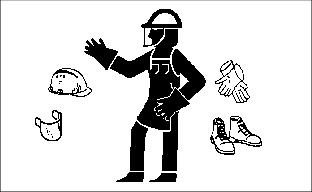
· Wear close fitting clothing and safety equipment appropriate for the job.
· Loud noise can cause impairment or loss of hearing, wear a suitable protective device such as earplugs.
· Do not wear radio or music headphones while servicing the machine. Safe service requires your full attention.
Handling Waste Product and Chemicals

· Waste products such as batteries, can harm the environment and people.
· DO NOT use beverage containers for waste fluids - someone may drink from them.
· See your local Recycling Center or John Deere dealer to learn how to recycle or get rid of waste products.
Service Utility Vehicle Safely
NOTE: The charger DC cable plug must be removed from the vehicle receptacle.
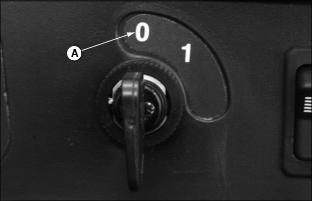
1. Turn key switch to the OFF "0" position (A).
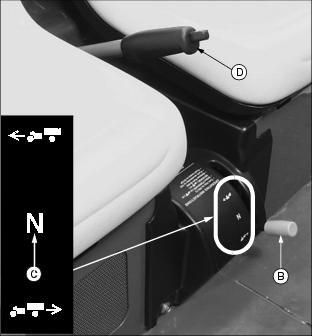
2. Move directional control lever (B) to the NEUTRAL "N" position (C).
NOTE: Turn off all vehicle electric accessories.
5. Raise and tilt operator seat forward.
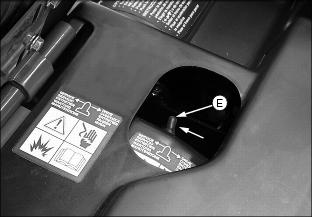
· Move the service/drive switch (E) to the SERVICE position.